Dear John,
Our economy is under pressure, and many families in our community are feeling the squeeze. From rising prices to housing shortages, too many working households are being drained while federal policies continue to favor the wealthy and well-connected.
One of the most pressing issues we face? Tariffs.
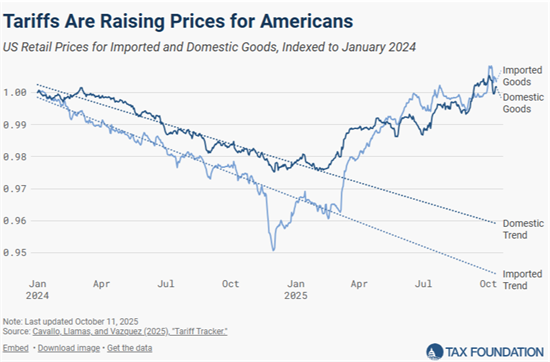
At the Federal Reserve’s most recent meeting, Chair Jerome Powell pointed to tariffs as a major driver of inflation. We all know tariffs function as taxes on imported goods—and economists across the political spectrum agree: these costs are overwhelmingly paid by American consumers, not by foreign manufacturers.
|
New tariffs this year on tools, electronics, building materials, clothing, and everyday essentials have pushed prices even higher. Many wholesalers and retailers raised prices almost immediately after the tariffs took effect. To their credit, some tried to hold off on passing the cost increases along, but recently have had to do just that after realizing they could no longer afford to wait.
|
According to federal economic analyses, American families paid nearly $159 billion in added costs between February and November alone—an average of about $1,200 per household. Here in Pennsylvania, tariffs added $1.6 billion in costs during just the first five months of the year.
These tariffs are a hidden tax—hitting families when they can least afford it. |
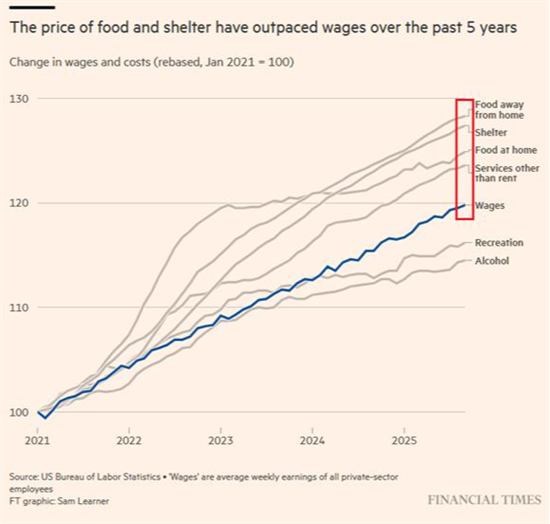
At the same time, many households are under strain for other reasons. Record levels of household debt. Rising prices for groceries, utilities, and childcare. Increasing mortgage delinquencies and car repossessions. These are economic warning signs—yet the data we rely on to monitor them is harder to access.
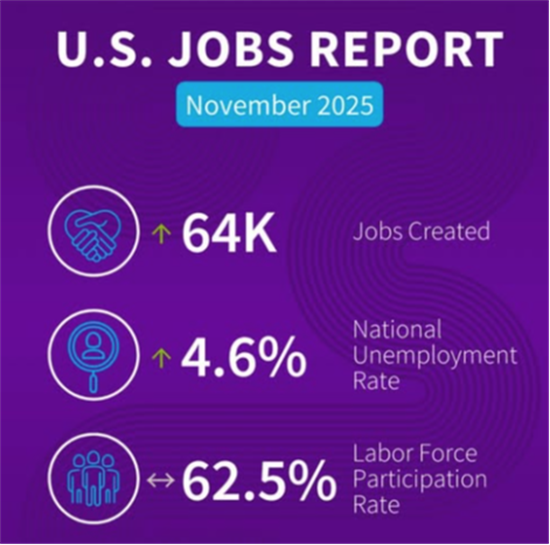
Recently, several key federal economic reports were delayed or canceled, including the third-quarter GDP estimate, the monthly inflation update, and last month’s jobs report. Some were disrupted by the shutdown while others were paused indefinitely. But all of them matter. |
|
Without reliable data, seniors can’t plan for retirement. Small businesses can’t hire with confidence. And Congress can’t legislate wisely. Economic data isn’t partisan—it’s essential. While some call concerns about affordability a “hoax,” families in our district know better. We shop at the grocery store. We fill our gas tanks. We pay our utility bills and hold our breath every time something unexpected comes up. What we need most is consistency. Without it, we can’t plan personal budgets—or make long-term business decisions. |
Three Ways I Am Fighting for Affordability |
Being responsible with taxpayer dollars doesn’t mean cutting essential services for working families while protecting windfalls for the ultra-wealthy. It means investing wisely, taxing fairly, and governing transparently. That’s the approach I bring to every vote. Over the past several months, I’ve been focused on three policy priorities that can make a real difference for families and small businesses in our district:
1. Lifting Tariffs and Restoring Congressional Oversight
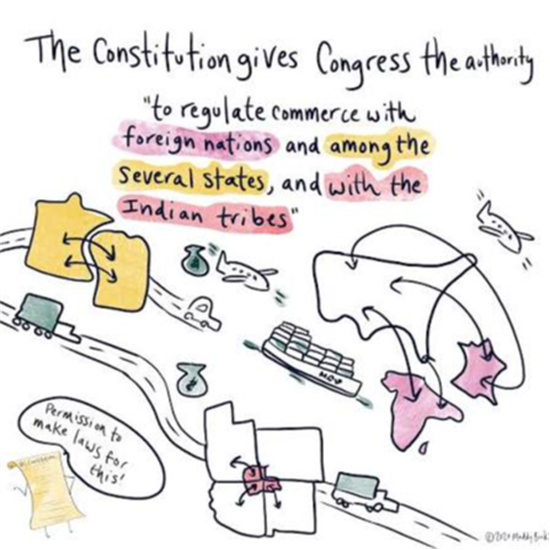
The Constitution gives Congress—not the Executive Branch—the power to regulate trade. It’s time we reclaim that role. I’m pressing for bipartisan legislation to roll back harmful tariffs and prevent future economic harm. As Gbenga Ajilore, Chief Economist at the Center on Budget and Policy Priorities, put it:
“The single best thing Washington can do to improve the cost of living is to take tariff authority back from the administration and reset to January 2025 levels.”
Read more about my trade policy recommendations here. |
2. Extending Affordable Care Act Tax Credits
More than 24 million Americans depend on ACA tax credits to afford their health insurance—and without action, they will see premiums spike in early 2026. The immediate and downstream consequences of this inaction will be felt across the entire health care industry—from patients to providers.
I’ve worked alongside colleagues in both chambers to keep this issue front and center, including co-sponsoring the Health Care Affordability Act, and to push back on the most damaging elements of the “One Big Beautiful Bill.” There are signs of progress, but we are running out of time in the legislative calendar.
Read more about my health care policy objectives here.
3. Tackling the Housing Shortage Head-On
High housing costs are driven by a fundamental supply shortage. We need smarter land-use policy, targeted incentives, and responsible development to bring more affordable options into the market.
I’m committed to being part of that solution and have co-sponsored the Affordable Housing Credit Improvement Act and the Neighborhood Homes Investment Act to do just that.
Explore my housing policy ideas here. |
Thank you to everyone who joined our 105th town hall this week! We had a meaningful conversation with a local retailer from Wayne and the head of the Phoenixville Chamber of Commerce—digging into the real impacts of tariffs and economic pressure. If you missed it, you can listen to the full conversation here.
Mark your calendars: my annual State of the Sixth town hall will be held at the end of January. Details coming soon.
|
Despite the challenges we face, I hope this season brings you peace, comfort, and time with loved ones. Thank you for the continued honor of serving you—and for your partnership in the work ahead.
Serving as our community’s representative in Congress is the honor and privilege of my lifetime and I hope you will reach out about the issues you care about. As always, please contact my office if you need assistance.
Sincerely, |
Chrissy Houlahan U.S. Member of Congress
Were you forwarded this email? Sign up for my newsletter here.
Please share: if you find this newsletter valuable or interesting, please share it with friends and family and ask them to subscribe too.
Please note that replying to this email will not direct your message to the right place. To contact the Office of Representative Houlahan, please click here. |
|