| Trusted research, data & insights for a better world for people, nature & climate |
| |
|
2025 was, in many ways, a year of upheaval — from political turnovers and trade wars to energy tensions and the meteoric rise of AI.
Some countries deprioritized climate action, slowing momentum at a time when we urgently need to pick up the pace. The evidence is all around us in the form of blistering heat, floods and wildfires.
But that’s not the whole story.
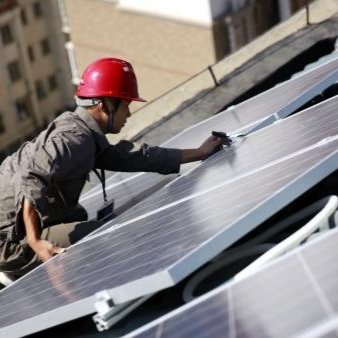
As countries like the U.S. step back, others are taking up the mantle of climate leadership. We’re seeing a solar revolution in Pakistan. Electric vehicle uptake is growing globally, with EV sales outpacing gas-powered cars in places like Norway and Sweden. Nature-based solutions are taking root across Africa. And at the UN climate summit in November, leaders agreed to triple the amount of money flowing to climate adaptation in developing countries.
There’s also growing evidence that climate action is one of the best ways to improve people’s lives.
WRI experts were here through the ups, downs and everything in between — unpacking the latest research, analyzing emerging trends and spotlighting solutions. Below, our editors selected some of our most important stories from the year.
We hope you’ll take a look back at this tumultuous year and support our work for people, nature and the climate.
Thanks for reading!
Sarah Parsons
Editorial Director |
|
|
Photo by humphery/Shutterstock
|
|
Data released in 2025 underscored just how close we are to surpassing the world’s 1.5 degree C warming threshold, a target scientists say is necessary for keeping some of the worst climate impacts at bay. |
|
|
Photo by Loren McIntyre/Alamy |
| WRI research found that forests' carbon stores shrank drastically in 2023 and 2024, a worrying sign for their ability to curb climate change. |
|
|
Photo by Tuayai/iStock photo |
|
Extreme heat is no longer rare or seasonal. It’s a growing pressure that’s undermining jobs, transportation and our own health. Europe alone saw thousands of heat-related deaths this year, exacerbated by low access to air conditioning. |
|
|
Photo by Rafaela Fernanda5/Shutterstock |
|
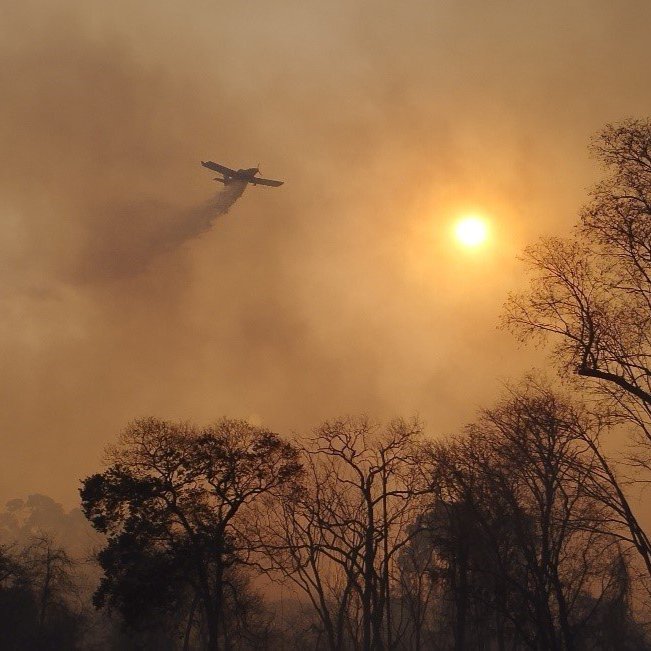
New data confirmed: Forest fires are getting worse, burning twice as much forest today as they did 20 years ago. Even historically wet places like tropical rainforests are feeling the effects. |
|
|
Photo by Artaporn Puthikampol/iStock
|
| From Machu Picchu to the Taj Mahal, WRI research found that most UNESCO World Heritage Sites now face severe water risks such as droughts and floods. Cultural value isn't the only thing at stake.
|
|
|
Photo by Pradeep Gaurs/Shutterstock
|
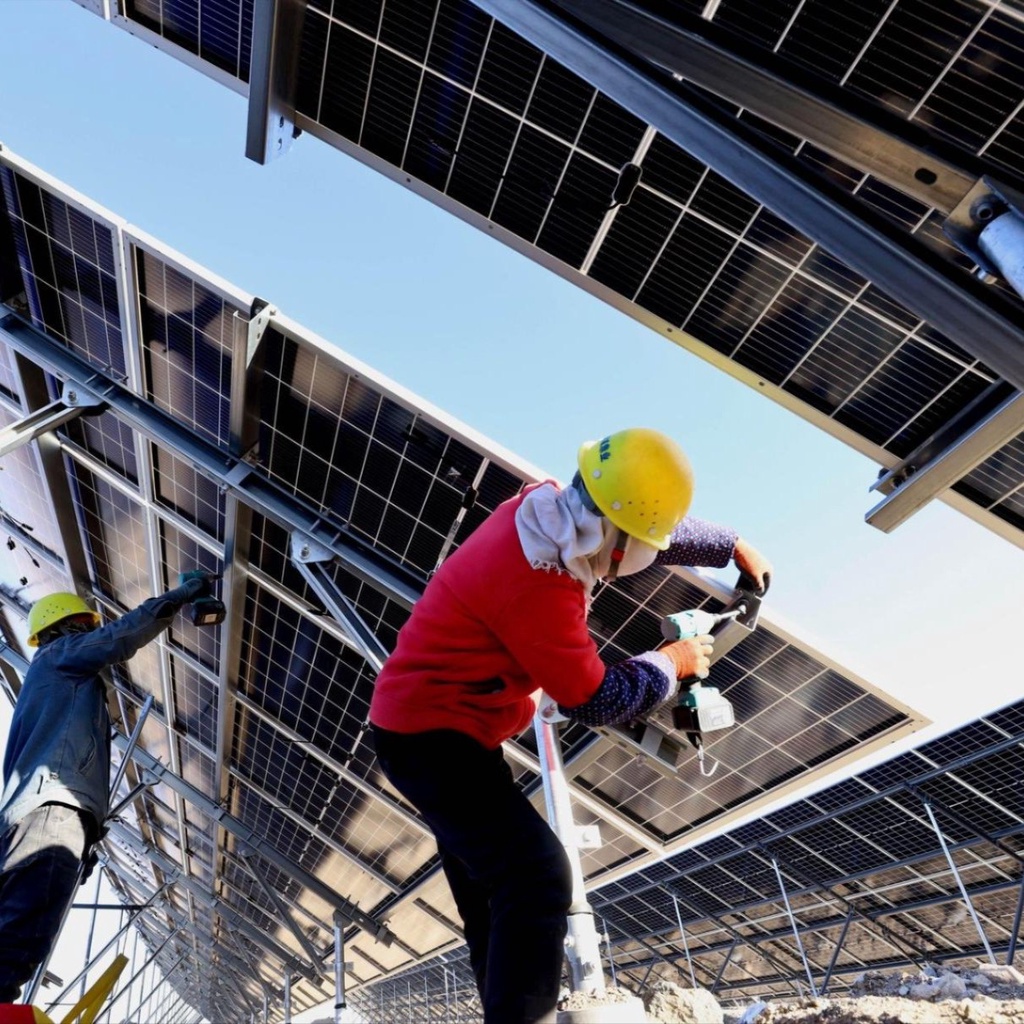
| Climate action saw serious setbacks this year, from policy reversals in the U.S. to cuts in international aid. Yet there’s reason to believe these hurdles won’t halt the great green transition already underway. |
|
|
Photo by Aerovista Luchtfotografie/Shutterstock
|
|
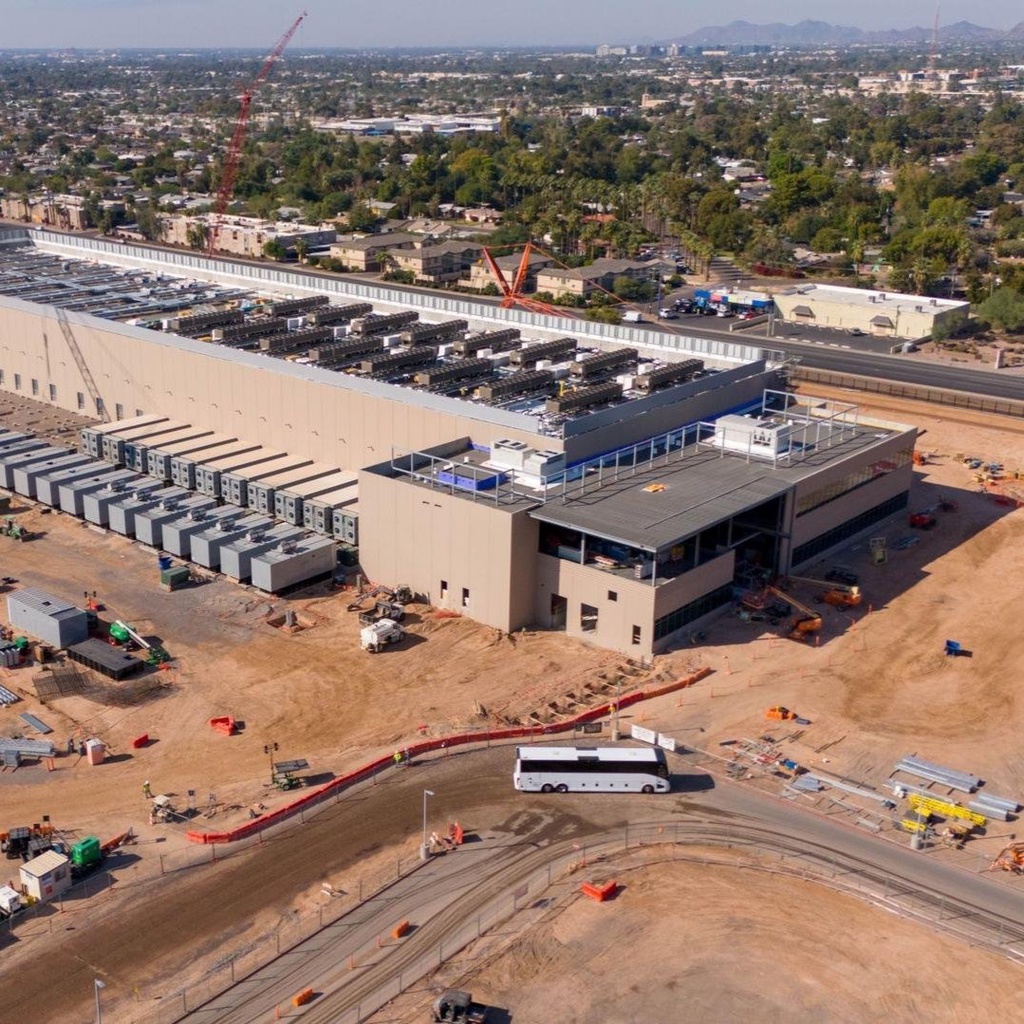
Some see AI’s rapid ascent as a solution to thorny climate challenges. Others, as a resource drain that will only compound environmental harms. The truth lies somewhere in the middle. |
|
|
Photo by Idealink Photography/Alamy
|
|
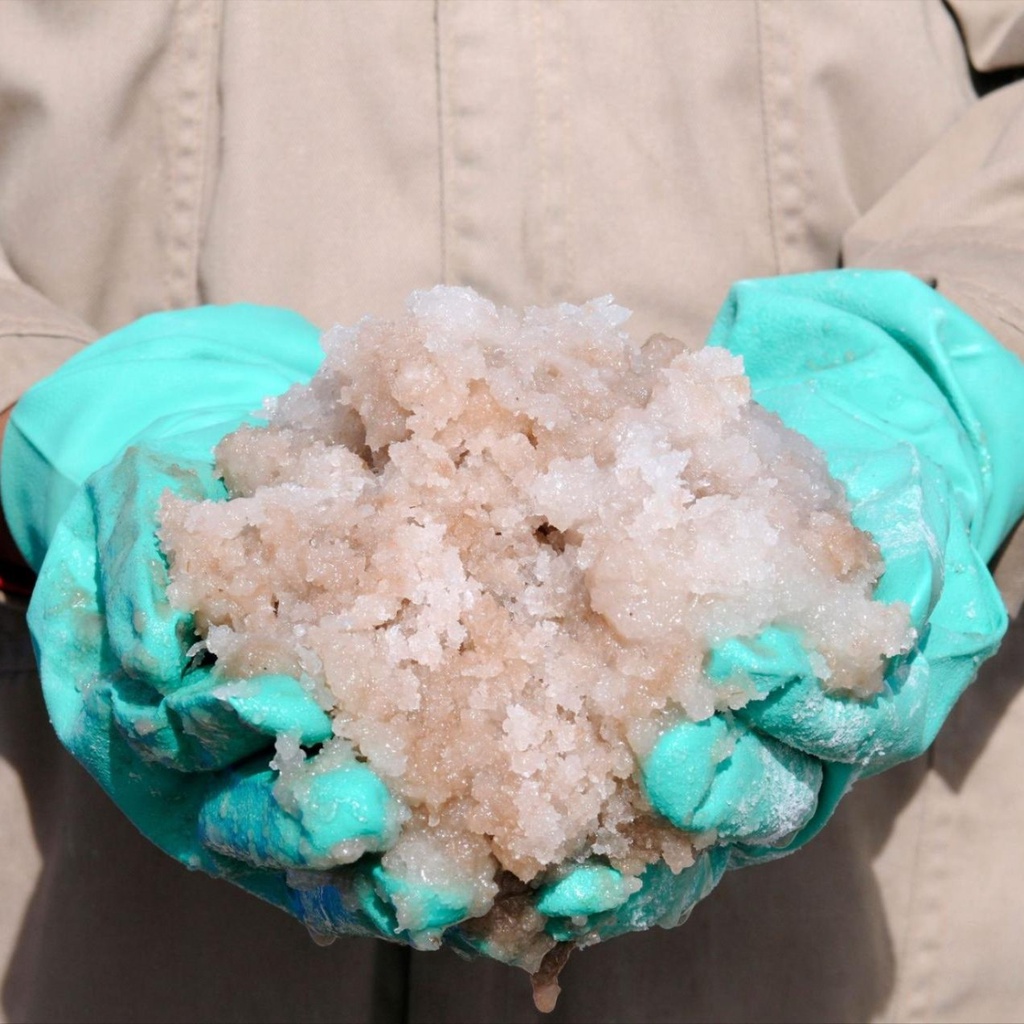
Demand for critical minerals like lithium, copper and cobalt could more than double by 2030, largely for clean energy and electric vehicles. While these technologies are central to a low-carbon future, a surge in new mineral mining could also pose risks for people and nature if not managed properly. |
|
|
|
U.S. electricity prices are up almost 30% on average since 2010 and still climbing. Common theories about what’s behind this rise — data centers? growing demand? wind and solar? — mask a more complex story. |
|
|
Photo by ultramansk/Shutterstock
|
|
All countries were due to submit new national climate commitments this year. Many are falling short of the ambition needed. And collectively, they’re far off track from holding temperature rise to 1.5 degrees C. |
|
|
Photo by James Dowson/UN Climate Change
|
|
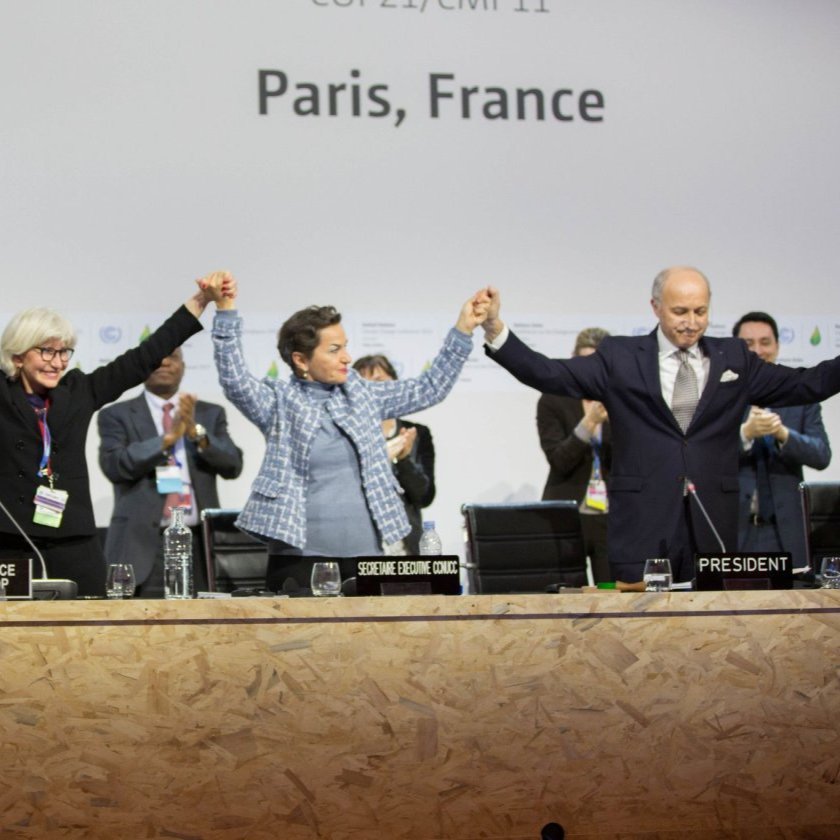
On the Paris Agreement’s 10th anniversary, WRI President and CEO Ani Dasgupta reflected on what the landmark climate treaty achieved in its first decade — and how to keep its vision alive. |
|
|
Photo by Cynthia Lee/Alamy Stock Photo
|
|
The latest State of Climate Action report found that not one indicator of global climate action is moving fast enough. But importantly, it also charts a path to get on track. |
|
|
Photo by Florian Kopp/Alamy Stock Photo
|
|
WRI research finds that every $1 spent on climate resilience can generate up to $10.50 in economic, social and environmental benefits over the next 10 years, turning traditional views of climate adaptation on their head. |
|
|
Photo by Cynthia Lee/Alamy Stock Photo
|
|
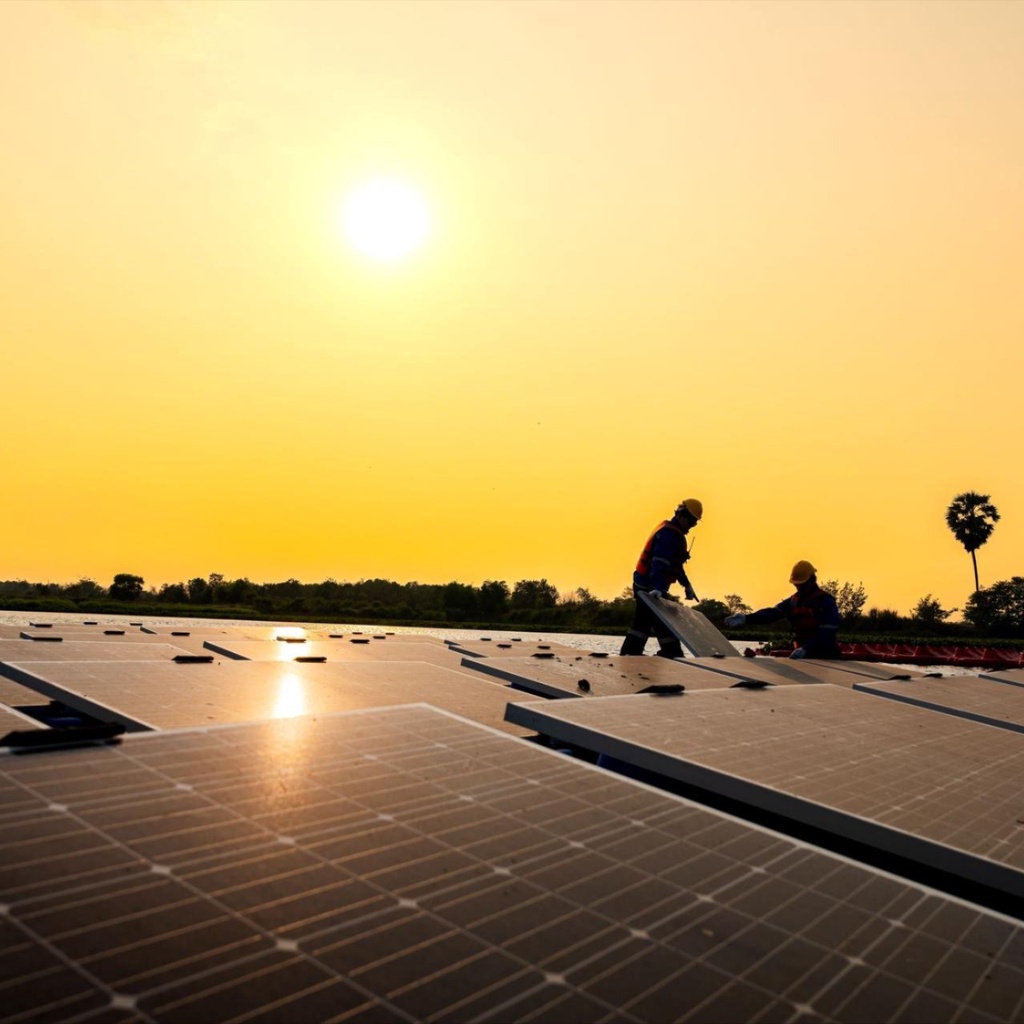
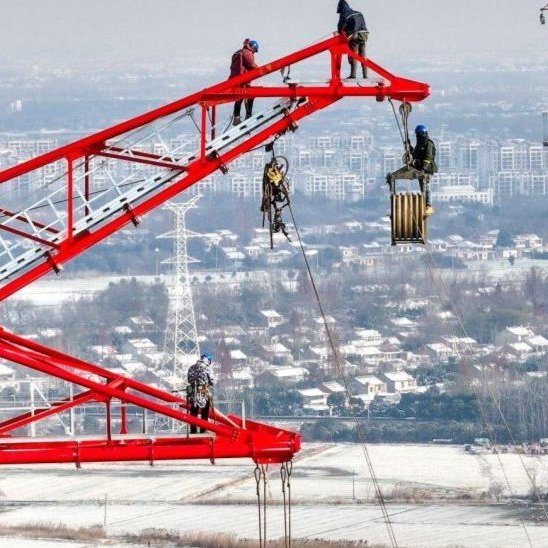
The world is moving toward a clean energy future, but too slowly. Unlocking progress will take six things, from modernizing power grids to overcoming local pushback. |
|
|
Photo by Prowl Limited/WRI
|
| |
|
How You Can Help
WRI relies on the generosity of donors like you to develop evidence-based solutions and turn research into action. You can support our work by making a gift today. |
|
|
World Resources Institute • 10 G Street NE Suite 800 • Washington, DC, 20002 • 202.729.7900 |
|
|
|