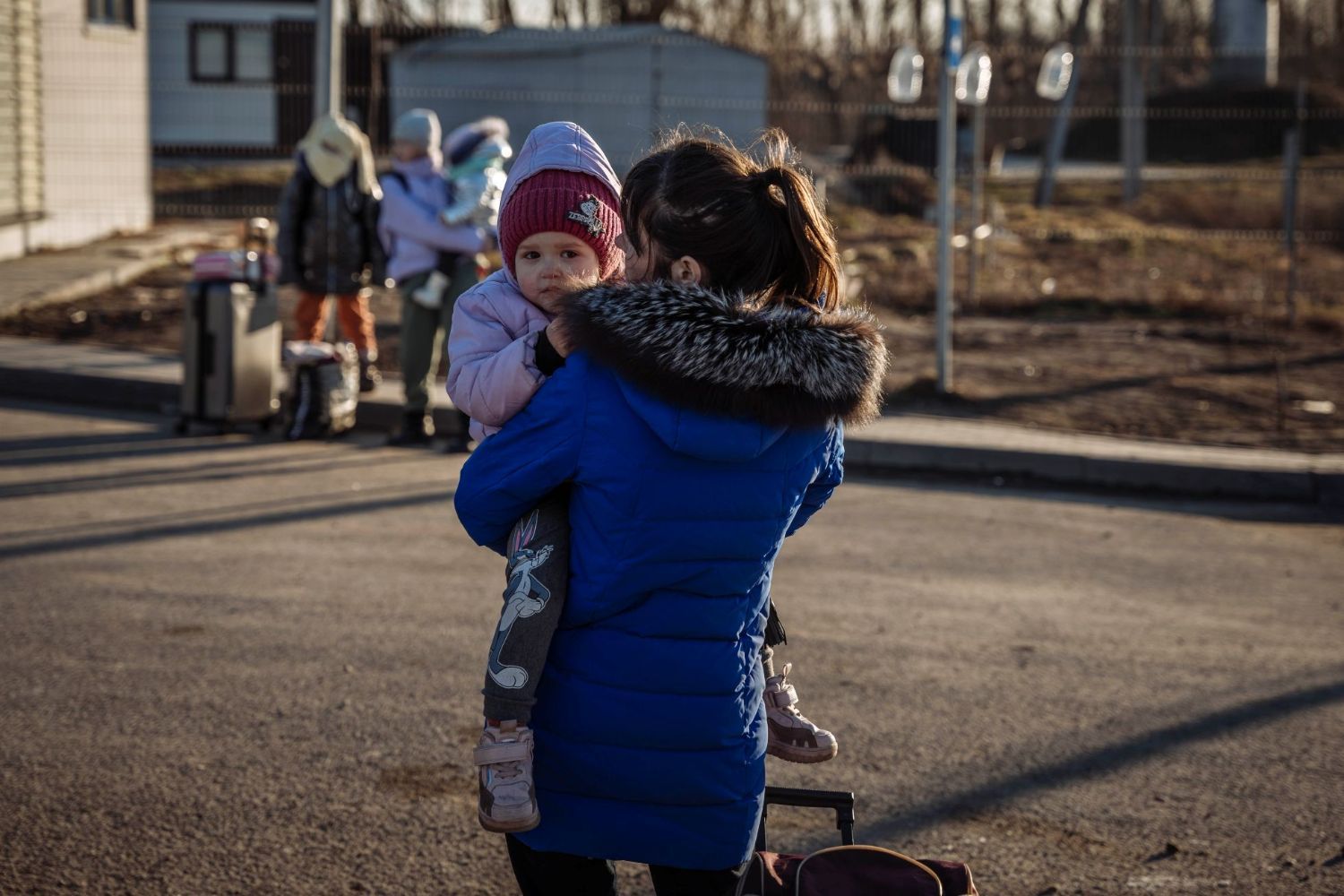
| | | | By Benedicta Solf and Casey O’Neill Moldova is simultaneously one of Europe’s poorest countries and the world's largest per-capita host of displaced Ukrainians. More than one-quarter of the nearly 7 million Ukrainians who fled since Russia’s 2022 invasion have passed through the small, former soviet country, which is squeezed between Ukraine and the European Union. This article provides an overview of the little country shouldering a disproportionate burden even as it is pulled between Russia and the European Union. |
| |
|
| |
|
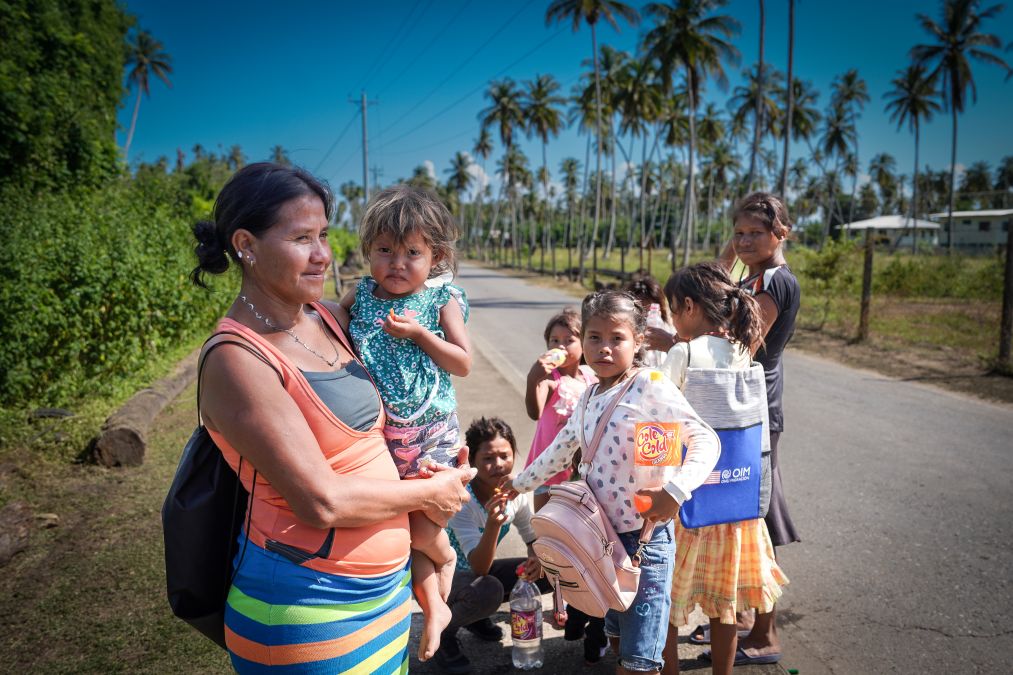
| | By Timothy Affonso and Sharifa Simon-Roberts Separated from Venezuela by just a few miles of ocean, Trinidad and Tobago has adopted a complex and often enforcement-first approach to Venezuelan migrants. Many Venezuelans face stigma and precarity in the Caribbean country. These issues have become increasingly complicated amid escalating tensions between Venezuela and the United States. As this article details, Trinidad and Tobago has sided with Washington in the standoff—with complications for resident Venezuelan migrants. |
| |
|
| |
|
| | International migration in 2025 was shaped by a series of converging pressures, as governments in many high-income countries struggled to reconcile international protection obligations and labor demands with public anxieties about immigration. Many notable trends related to humanitarian protection, although the year was not solely defined by restrictionism or international discord. In this annual list, the Migration Information Source reviews some of the major trends of the year. |
| |
|
| |
|
| | Looking back, how will 2025 be remembered? Was it most notable for the widespread skirting of longstanding refugee norms, as evidenced by the forced return of millions of Afghans, widespread embrace of third-country deportations, and efforts to remake international law? Will the increased role of artificial intelligence in managing borders and bolstering immigration enforcement be most recalled? Or perhaps the year will be remembered for events in Syria, which has provided a rare glimmer of hope as millions have returned home after a long and brutal civil war, in the process helping reduce global displacement numbers for the first time in years? In our just-released list of the Top 10 Migration Issues of 2025, we consider all these developments and more. Given the “shock and awe” intended by the incoming Trump team, some of our attention was naturally on the rapid-fire changes brought about the return of Donald Trump, whose administration was quick to initiate a top-to-bottom transformation of the immigration system. In both the United States and the European Union, irregular arrivals were on the decline in 2025, although it is unclear how long the trend will stick. Yet the year was by no means defined solely by action on humanitarian and irregular migration. Many countries made slow but steady moves to reinforce their labor supplies in the face of aging populations and low fertility. Meanwhile, regional migration cooperation took both positive and regressive steps, as a new free-movement system came into being in the Caribbean, Europe engaged in mixed approaches, and three countries withdrew from West Africa’s regional bloc. What did we think was the most impactful trend of the year? Read the Top 10 list to see. On a personal note, I would like to extend appreciation on behalf of all of us at the Migration Policy Institute (MPI) for your engagement with and support of our work this year. One undeniable feature of 2025 is that migration played a central role in the politics, societies, and economies of countries around the world. We at MPI are dedicated to helping understand the factors shaping migration and to improving migration systems so they work for all, and we are thankful for the community of supporters who make that mission possible. In these waning days of the year, we ask you to consider making a contribution to support our work, so that we can enter 2026 strong and best prepared for the challenges and opportunities ahead. |
| | We wish you happy holidays and joyful new year. Best regards, Julian Hattem
Editor, Migration Information Source
[email protected] |
| | |
|
| | | "Large flows of refugees, to and from DR Congo, as well as increasing migration flows to African and Western countries have characterized Congolese international migration over the last 30 years." |
| | |
|
"On Inauguration Day, President Donald Trump signed 10 executive orders on immigration, all of them limiting immigration or expanding enforcement." |
| | |
|
"Today, South American governments that once leaned heavily into regularizing newcomers have discontinued many of these programs for recent arrivals and failed to link them with long-term integration for those who have been in the country for years." |
| | |
|
| | | The Migration Information Source is a publication of the Migration Policy Institute, a nonpartisan, nonprofit think tank in Washington, DC, and is dedicated to providing fresh thought, authoritative data, and global analysis of international migration and refugee trends. |
|
|
| | Copyright © 2025 Migration Policy Institute. All Rights Reserved.
1275 K St. NW, Suite 800, Washington, DC xxxxxx |
|
|
| |
|
|