In broad daylight on October
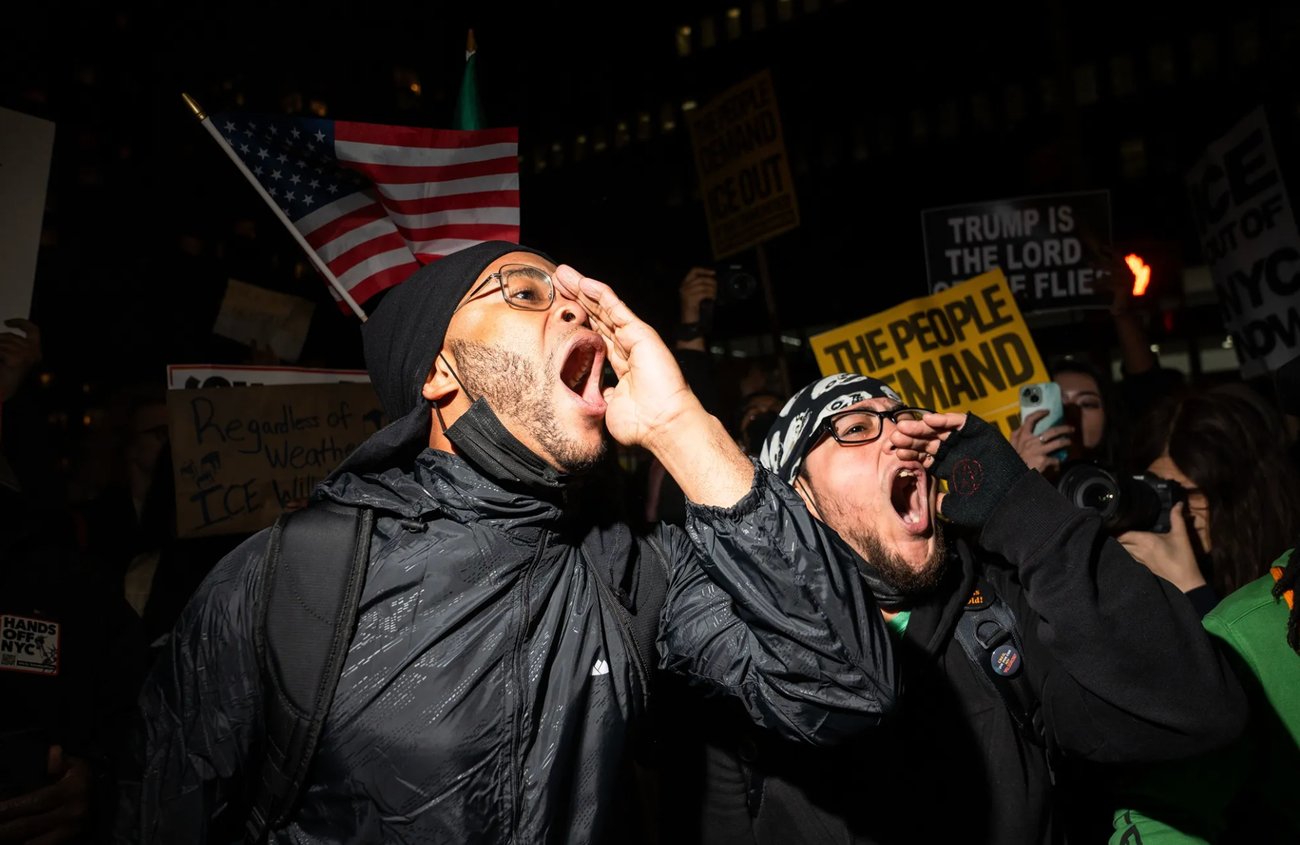
21, amongst the hustle and bustle of Canal Street in New York City, more than 50 federal agents arrived, via military-style trucks and on foot. In moments, agents accosted and detained multiple street vendors, all of whom were of African descent. Nine immigrants hailing from various African countries were taken into ICE custody, the agency stated, in a “targeted, intelligence-driven enforcement operation … focused on criminal activity related to selling counterfeit goods.”
However, amid the flurry, federal agents also arrested several people who were either citizens, or possessed documentation of their legal immigration status. A video taken by an observer showed a Black man, who persistently says that he was born in New York, being forcibly detained by ICE agents.
Just weeks earlier, on the predominantly Black South Side of Chicago, locals were awoken in the middle of the night by the sound of a helicopter above their homes and multiple unmarked vehicles, including moving trucks packed to the brim with ICE agents. Reports detail armed men bursting into dozens of apartments in a complex that housed a mixture of Black U.S. citizens and migrants from Latin America, zip-tying men
and women, and after sorting them by race, detaining them for hours in vans and on the sidewalk. Babies and children who were “nearly naked” were also zip-tied, as their parents received no information about the nature of the raid, or if they were free to go.
Both instances represent two key issues that have remained largely unrecognized in conversations about immigration in the U.S. First: The conception that immigrants hail mainly from Latin America and are the primary targets of immigration enforcement is false. Second: The persecution of undocumented immigrants has affected and will continue to affect U.S.-born individuals, particularly members of marginalized groups. It is not only Hispanic people with legal status who may be affected by immigration enforcement activity: Black people, regardless of immigration status, are vulnerable.
|