Image

Daily News Brief

December 11, 2025

Welcome to CFR’s Daily News Brief. Today we’re covering the U.S. seizure of an oil tanker near Venezuela, as well as...

  • What’s in next year’s $900 billion defense bill

  • Mexico’s upcoming tariffs on China and other countries

  • A new model of U.S. health aid for Uganda


Top of the Agenda

The United States seized an oil tanker near Venezuela yesterday, marking another significant escalation in its standoff with the country. The tanker was being used to transport sanctioned oil from Venezuela and Iran, Attorney General Pam Bondi wrote on social media. Asked at a White House event what would happen to the oil aboard, U.S. President Donald Trump replied the United States would likely keep it. Venezuela’s government called the incident “an act of international piracy,” vowing to denounce it to international bodies. The seizure is the latest in the U.S. pressure campaign on Venezuela, which includes the largest U.S. military buildup in the Caribbean Sea since the 1962 Cuban missile crisis. Recent U.S. strikes on alleged drug boats in the region have killed at least eighty-seven people.


The tanker. Bondi wrote the tanker had been sanctioned for multiple years due to its involvement in the illicit transport of oil for foreign terrorist organizations. The crew did not resist the seizure, which was carried out with no casualties, three unnamed U.S. officials told the New York Times. They said more seizures could occur in the coming weeks as part of an effort to strip Venezuela of its oil revenue. U.S. sanctions currently hamper Venezuelan oil exports.


The political moment. Trump told Politico in an interview published Tuesday that Venezuelan President Nicolás Maduro’s “days are numbered,” the latest indication that the United States hopes to oust him. In recent days, Maduro has conducted talks regarding tensions with the United States with intermediaries including Turkish President Recep Tayyip Erdoğan. Meanwhile, Venezuela’s political opposition is on the international stage this week as opposition leader María Corina Machado was awarded this year’s Nobel Peace Prize. Machado escaped from hiding in Venezuela to travel to Norway, arriving after the ceremony yesterday. Today, she called on countries to support the fight for Venezuelan democracy by cutting off illicit flows of money that finance the Maduro government.


“U.S.-imposed regime change through force would likely lead to chaos and ultimately weaken the Venezuelan opposition, which has grown prominent under the leadership of María Corina Machado—the 2025 Nobel Peace Prize winner. The United States has not unilaterally achieved regime change through air power alone, and a ground invasion remains unlikely.”

—CFR International Affairs Fellow Roxanna Vigil in an Expert Brief


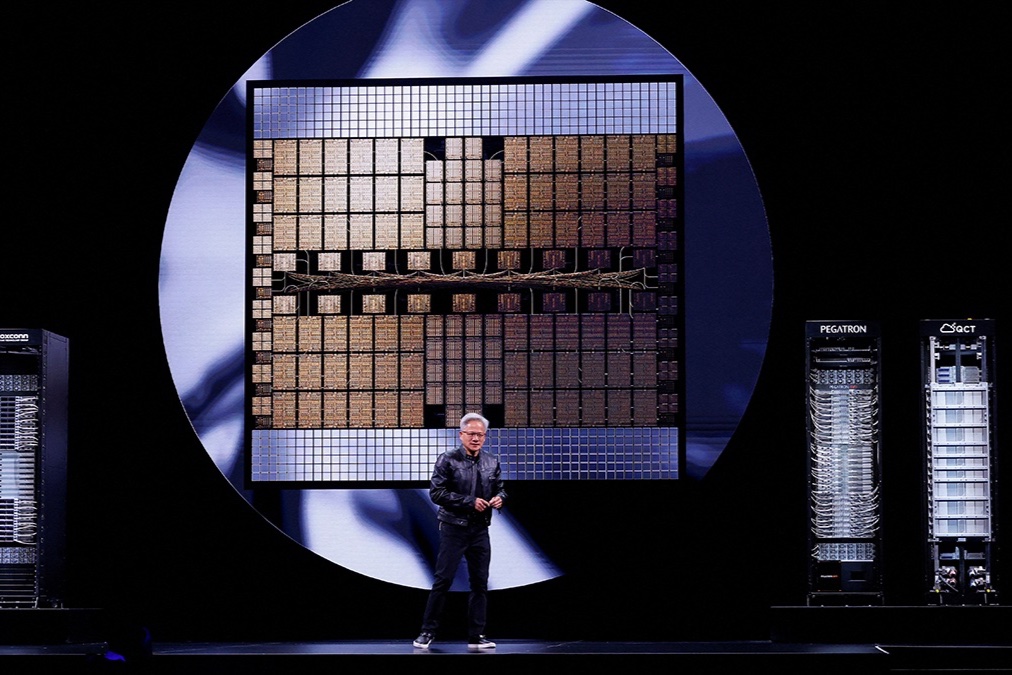
The Consequences of Exporting AI Chips to China

Nvidia CEO Jensen Huang makes a keynote speech at Computex in Taipei, Taiwan, May 19, 2025.

Ann Wang/Reuters

Trump’s decision to allow Nvidia to sell advanced chips to China has implications for the future of artificial intelligence (AI), U.S. national security policy, and bilateral relations, CFR Senior Fellows Michael C. Horowitz, Zongyuan Zoe Liu, and Chris McGuire write in an Expert Brief.


Across the Globe

U.S. defense bill. The House of Representatives passed a $900 billion defense funding bill yesterday and sent it to the Senate, where it is expected to be approved. The bill raises military pay, cuts diversity programming in the Pentagon, and puts new limits on the withdrawal of U.S. forces in Europe. It also establishes penalties if the Defense Department does not release footage to Congress of recent U.S. boat strikes in Latin America.


New model of health aid. The United States and Uganda signed a deal yesterday that sets up a new model for U.S. support to Uganda’s health system following the dismantling of the U.S. Agency for International Development (USAID) earlier this year. Washington will provide up to $1.7 billion in support while the responsibility for programs against diseases such as HIV/AIDS, malaria, and tuberculosis will gradually transition to the Ugandan government. Kenya and Rwanda signed similar deals with the United States in recent days.


New U.S. gold card. A U.S. government website began accepting applications for the Trump administration’s new gold card visa, which offers U.S. residency and an expedited pathway to citizenship for individuals paying $1 million and companies paying $2 million to sponsor an employee. Applicants would also owe a $15,000 fee. The administration also previewed a platinum card allowing people paying $5 million to stay up to 270 days per year in the United States without paying U.S. taxes on foreign income, though U.S. Commerce Secretary Howard Lutnick has said this would require congressional approval.


Warning from Danish intel. For the first time, Denmark’s defense intelligence service listed the United States as a potential security concern in its annual report, following bilateral tensions this year over Trump’s desire to acquire Greenland. While focusing more on threats posed by Russia and China, the report says the United States uses economic power to enforce its will and does not rule out the use of force against allies.  


Argentina’s return to markets. Argentina sold $1 billion in dollar-denominated bonds on international markets yesterday, the first time it has done so since 2018. Argentine officials did not attempt such a sale in the interim years as they worked to overcome a domestic economic crisis. Buyer interest in the bonds yesterday was a positive signal for President Javier Milei’s pro-market overhaul of the Argentine economy. 


Tensions in Yemen. The leader of Yemeni separatist group the Southern Transitional Council yesterday called on his group to seize control of the country’s capital following their recent takeover of eastern regions and oilfields. Separately, the U.S. State Department yesterday condemned the Houthi rebels’ ongoing detention of current and former staff of the U.S. Mission to Yemen, without providing details on how many Americans were detained, or since when. On Tuesday, the United Nations said the Houthis had also detained dozens of its local staffers.


Mexico’s new tariffs. Mexico’s legislature approved a bill yesterday authorizing up to 50 percent tariffs on goods from countries it doesn’t have a free trade deal with, the most significant of which is China. President Claudia Sheinbaum is expected to sign it into law. Washington has urged Mexico City to restrict Chinese goods entering the country, though Sheinbaum denies the move is due to U.S. pressure. China launched a probe into trade barriers from Mexico earlier this year, and a commerce ministry spokesperson said today that Beijing hopes Mexico City will reverse its measures as soon as possible. 


EU raids at Temu. The European Commission carried out raids at the facilities of Chinese e-commerce giant Temu as part of a probe into whether the firm received unfair government subsidies, unnamed officials told the Financial Times. The Commission confirmed it carried out raids at an e-commerce company but did not name the firm. Temu did not immediately comment. European Union (EU) officials have used the bloc’s foreign subsidies regulation in recent years as concerns have risen about oversupply of Chinese exports hurting EU industries.


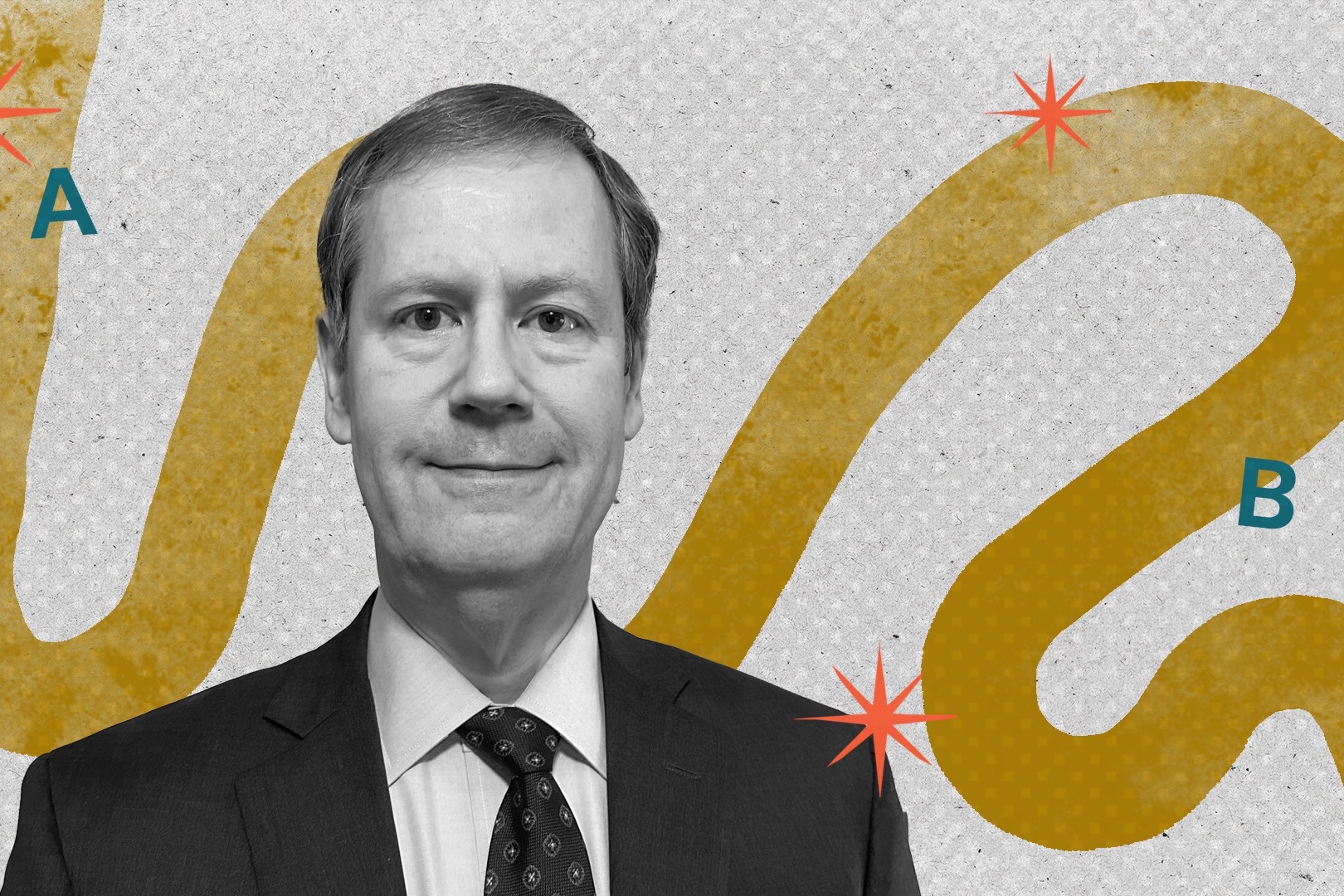
Coming In Through the Side Door

Illustration of William Davis.

Photo collage by Lucky Benson

Working with Congress on budgetary matters, rather than climbing foreign service career ladder, helped propel CFR member William Davis to roles at the National Security Council, Organization for Economic Cooperation and Development, and United Nations, he told CFR’s Ivana Saric in this article. 


What’s Next

  • Today, NATO Secretary General Mark Rutte visits Germany.

  • Tomorrow, EU finance ministers meet in Brussels.

  • Tomorrow, Belgian Prime Minister Bart de Wever visits the United Kingdom.


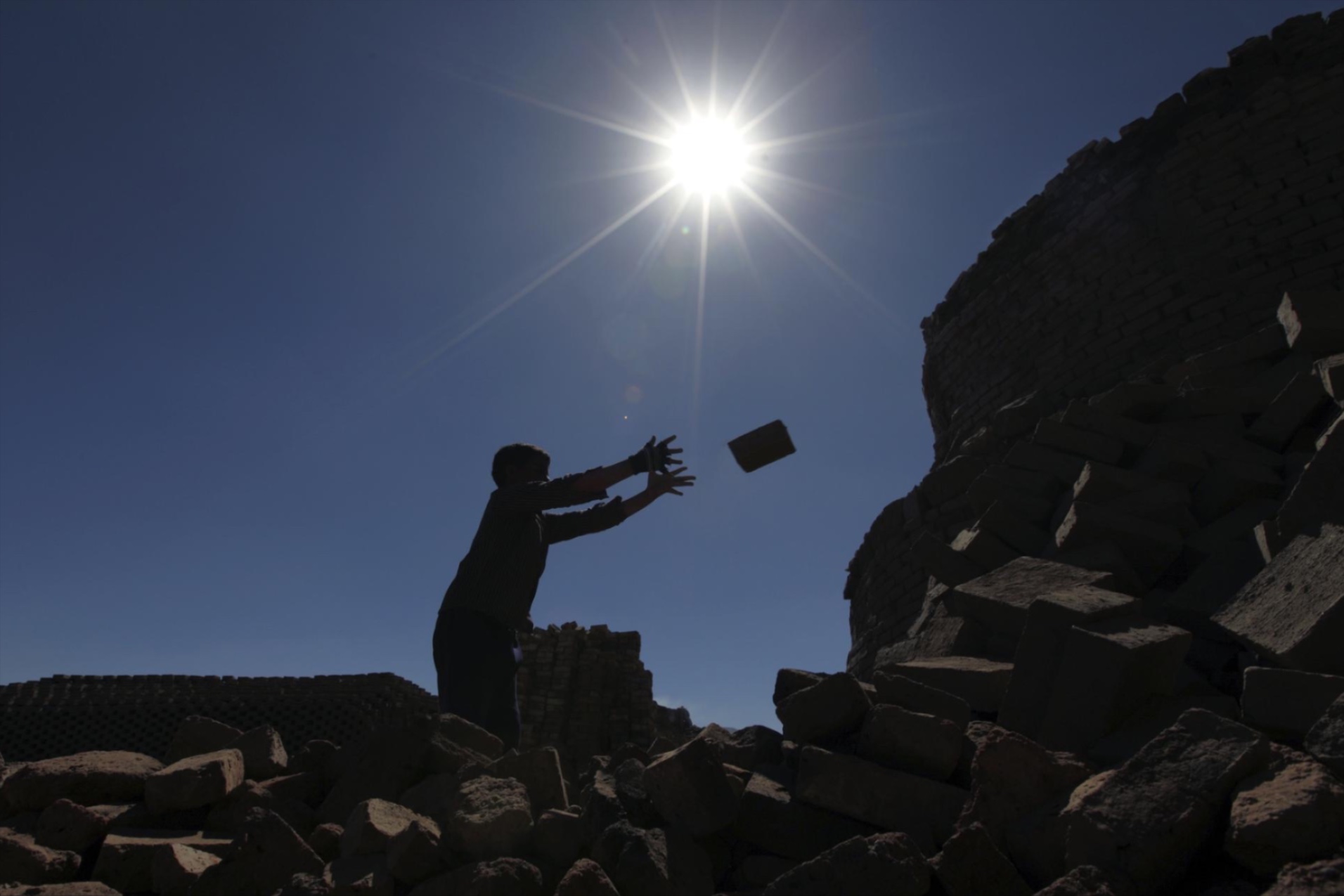
The Global Trading System Faces a Historic Change

A boy takes dried mud blocks to a kiln where they are fired at a traditional brick manufacturing site in Sanaa, November 20, 2012.

Mohamed al-Sayaghi/Reuters

While U.S. trade policy has disrupted global trade, it presents an opportunity for the rest of the world to regroup and reform the architecture of the rules-based trade system to meet modern challenges, CFR expert Inu Manak writes in this article.


Council on Foreign Relations

58 East 68th Street, New York, NY 10065

1777 F Street, NW, Washington, DC 20006

Was this forwarded to you? Subscribe to the Daily News Brief

FacebookTwitterInstagramLinkedInYouTube

Manage Your Email Preferences

View in Browser