Powering ahead ‌ ‌ ‌ ‌ ‌ ‌ ‌ ‌ ‌ ‌ ‌ ‌ ‌ ‌ ‌ ‌ ‌ ‌ ‌ ‌ ‌ ‌ ‌ ‌ ‌ ‌ ‌ ‌ ‌ ‌ ‌ ‌ ‌ ‌ ‌ ‌ ‌ ‌ ‌ ‌ ‌ ‌ ‌ ‌ ‌ ‌ ‌ ‌ ‌ ‌ ‌ ‌ ‌ ‌ ‌ ‌ ‌ ‌ ‌ ‌ ‌ ‌ ‌ ‌ ‌ ‌ ‌ ‌ ‌ ‌ ‌ ‌ ‌ ‌ ‌ ‌ ‌ ‌ ‌ ‌ ‌ ‌ ‌ ‌ ‌ ‌ ‌ ‌ ‌ ‌ ‌ ‌ ‌ ‌ ‌ ‌ ‌ ‌ ‌ ‌ ‌ ‌ ‌ ‌ ‌ ‌ ‌ ‌ ‌ ‌ ‌ ‌ ‌ ‌ ‌ ‌ ‌ ‌ ‌ ‌ ‌ ‌ ‌ ‌ ‌ ‌ ‌ ‌ ‌ ‌ ‌ ‌ ‌ ‌ ‌ ‌ ‌ ‌ ‌ ‌ ‌ ‌ ‌ ‌ ‌ ‌ ‌ ‌ ‌ ‌ ‌ ‌ ‌ ‌ ‌ ‌ ‌ ‌ ‌ ‌ ‌ ‌ ‌ ‌ ‌ ‌ ‌ ‌ ‌ ‌ ‌ ‌ ‌ ‌ ‌ ‌ ‌ ‌ ‌ ‌ ‌ ‌ ‌ ‌ ‌ ‌ ‌ ‌ ‌ ‌ ‌ ‌ ‌ ‌ ‌ ‌ ‌ ‌ ‌ ‌ ‌ ‌ ‌ ‌ ‌ ‌ ‌ ‌ ‌ ‌ ‌ ‌ ‌ ‌ ‌ ‌ ‌ ‌ ‌ ‌ ‌ ‌ ‌ ‌ ‌ ‌ ‌ ‌ ‌ ‌ ‌ ‌ ‌ ‌ ‌ ‌ ‌ ‌ ‌ ‌ ‌ ‌ ‌ ‌ ‌ ‌ ‌ ‌ ‌ ‌
View Online | Subscribe now
Journalism from theThomson Reuters Foundation logo
Context logo

Know better. Do better.

climate

Climate. Change.

News from the ground, in a warming world

Photo of Jack Graham

Skills to pay the bills

In 2025, the world has been having its cake and eating it when it comes to energy.

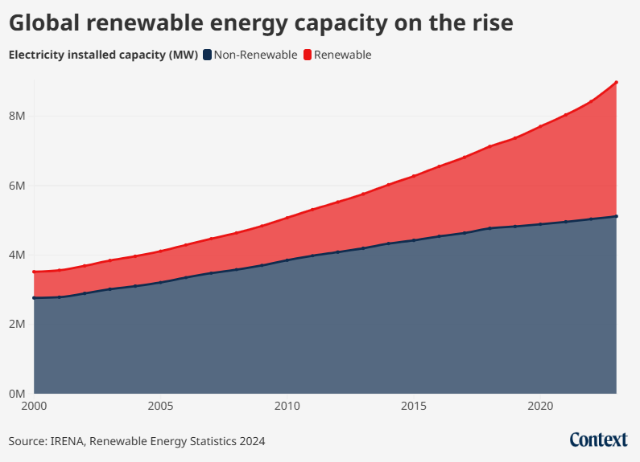
Driven by solar power, renewable energy has surged at a record rate. Unfortunately for the global climate, emissions from planet-heating coal, oil and natural gas also reached a record high.

Before cleaner energy can take the lead, the International Energy Agency (IEA) warns that skills shortages are threatening new developments.

The report said for every new employee in the sector, 2.4 energy workers in advanced economies are nearing retirement. The biggest skill gaps are seen in the construction of new infrastructure, which impacts fast-growing clean energy projects the most.

These complaints are longstanding in the skilled trades, but seem to be more severe than ever. So I asked Jane Cohen, a lead analyst on the report, what it would take to finally fix it.

"It's really a combination of policies that target these short-term, acute skills needs with the longer-term policies that can … build that pipeline," she told me at an online news conference.

Cohen pointed to Spain, which made sure the country's industrial policy aligned with educational institutions and the energy sector, mapping and understanding the skills that new energy infrastructure would need.

In the shorter term, she said Chile noticed a gap in skills to build transmission lines, so is quickly retraining ex-coal workers to plug the gap.

But more broadly, such training schemes and investment in workforce development are too limited in scale to meet surging demand, especially in emerging economies, the report said.

If the world's drive for clean energy is to keep up its momentum, the world needs to get more serious about staffing it. But with whom?

Thomson Reuters Foundation/Jack Graham

Thomson Reuters Foundation/Jack Graham

Who gets the jobs?

When you think about a worker in a coal mine or on an oil rig, you generally picture an older man.

And for good reason: traditional energy jobs have been male-dominated and concentrated in certain regions where raw materials are in large supply - from the U.S. Rust Belt to India's polluted energy capital Singrauli.

But the energy sector is changing. New energy forms like solar and wind are spread out, grid upgrades require jobs in new places, and modern energy jobs entail a broad array of technical skills.

That, says the IEA, means more should be done to tap new communities for talent.

"More jobs are being created in energy than ever before, and more jobs are going to be created. That's good news," said Brian Motherway, head of Energy Efficiency and Inclusive Transitions at the IEA, at the press briefing.

"But how do we make sure that we convert that into proper, good quality jobs for people who need them: for people in poorer regions, for women, for younger people, for people who may be seeing their existing job less secure?"

Workers assemble electric scooters at the Ather Energy factory in Hosur, India, April 20, 2022

Workers assemble electric scooters at the Ather Energy factory in Hosur, India, April 20, 2022. Thomson Reuters Foundation/Vivek Muthuramalingam

An IEA survey of training providers suggests this will entail addressing barriers beyond more obvious things like pay and qualifications. For women, for example, the most frequently cited challenges were a lack of flexible work arrangements, childcare policies and mentoring programmes.

Motherway said this underlines the need for actors from governments and employers to unions and educational institutions to act on the data and put new systems in place today.

"Spend a little on skills and investment, and create millions of really good quality jobs," he said.

Thank you for following our reporting in 2025. The team and I really appreciate your continued interest and support.

Look forward to seeing you next year,

Jack

This week's top picks

In Delhi's e-waste hub, India's informal workers lose business

India's shift to licensed recycling to gain critical minerals takes away work from informal hubs like Delhi's Seelampur district

Q&A: UK Greens' Zack Polanski - fight inequality to save climate

You can't solve climate change without tackling the cost of living and global inequality, says Green Party leader Zack Polanski

How insurance can transform our resilience to climate shocks

From Hurricane Melissa in the Caribbean to floods in Southeast Asia, insurance is an underused tool for adaptation to climate extremes

 
Read all of our coverage here

Food for thought

A Lupine field is seen in full bloom near Soellested on the Island of Lolland, Denmark, June 8, 2021. Ritzau Scanpix/via REUTERS

Instagram meets reality

Tourists flock to Iceland in the summer to see fields of beautiful purple flowers dotting the island. But a new report in The Guardian highlights that these Nootka lupines, which have filled Instagram feeds, may actually threaten biodiversity. Despite being introduced to revive soils, now scientists are concerned the invasive species is crowding out native plants. So is it a rewilding friend or foe?

Discover more

Thank you for reading!

If you like this newsletter, please forward to a friend or share it on Social Media.

We value your feedback - let us know what you think.