|
Message from Congressman Scott Fitzgerald
Good evening, everyone!
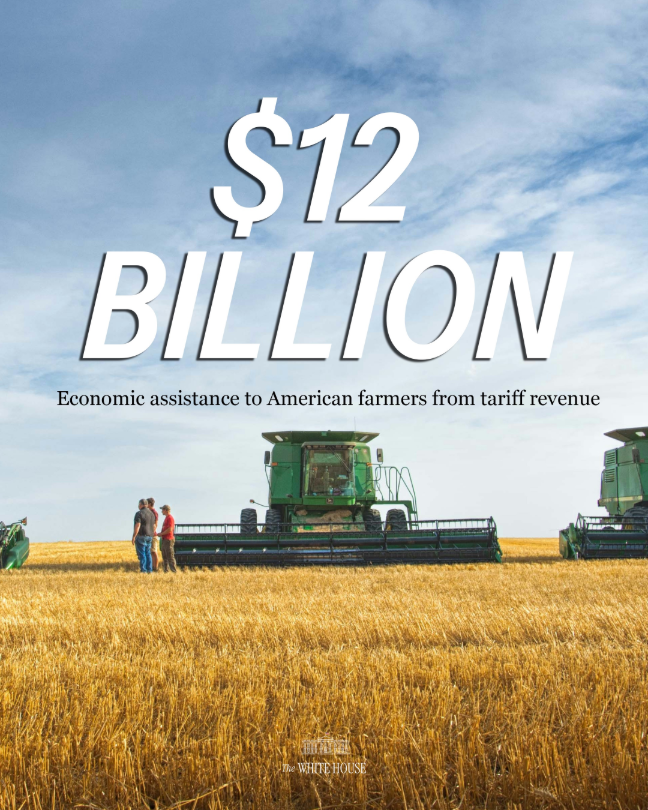
Today, President Trump announced that the United States will be using tariff revenue to provide $12 billion in economic assistance to American farmers. The Farmer Bridge Assistance (FBA) Program provides broad relief to United States row crop farmers who produce and grow Barley, Chickpeas, Corn, Cotton, Lentils, Oats, Peanuts, Peas, Rice, Sorghum, Soybeans, Wheat, Canola, Crambe, Flax, Mustard, Rapeseed, Safflower, Sesame, and Sunflower.
Farmers who qualify for the FBA Program can expect payments to be released by February 28, 2026. This is in response to temporary trade market disruptions and increased production costs that are still affecting farmers following four years of disastrous Biden Administration policies that resulted in record high input prices and zero new trade deals.
Wisconsin farmers have fed America and the world for generations. President Trump is making sure they get the support they deserve, funded by tariff revenue, not taxpayers.
More information can be found on USDA.gov.
Keep reading on to hear additional updates about what's been happening in Washington. I hope you have a great week.
-Scott
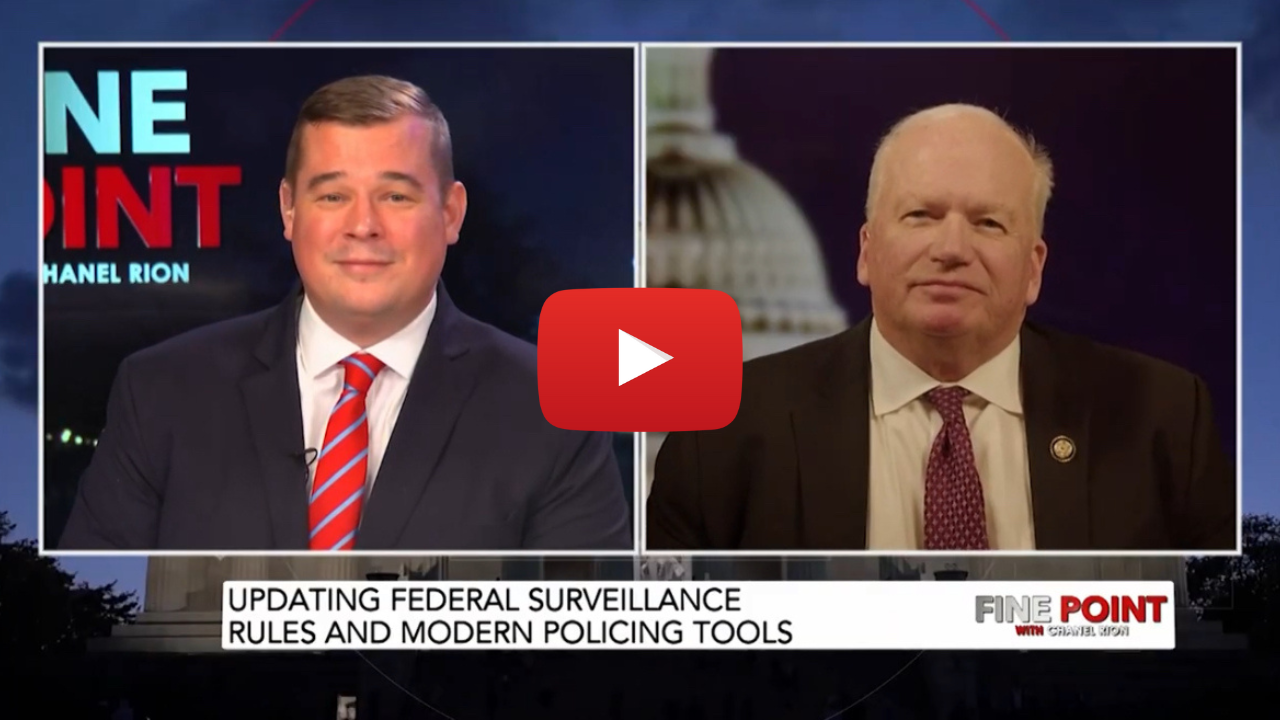
Rep. Fitzgerald Talks His Bill to Notify People When Their Data Is Accessed in Government Investigations
In case you missed it, I joined OAN last week to discuss my bill, the NDO Fairness Act. The legislation recently passed the House Judiciary Committee.
The government should not have unchecked authority to dig through people’s private communications and conceal it indefinitely. Yet, that’s exactly what Arctic Frost revealed.
I introduced the NDO Fairness Act to rein in this government overreach and tighten the standards on non-disclosure orders. My bill prevents federal prosecutors from using indefinite secrecy orders to access third-party communications data. It also guarantees notice to individuals within 90 days when their data was searched.
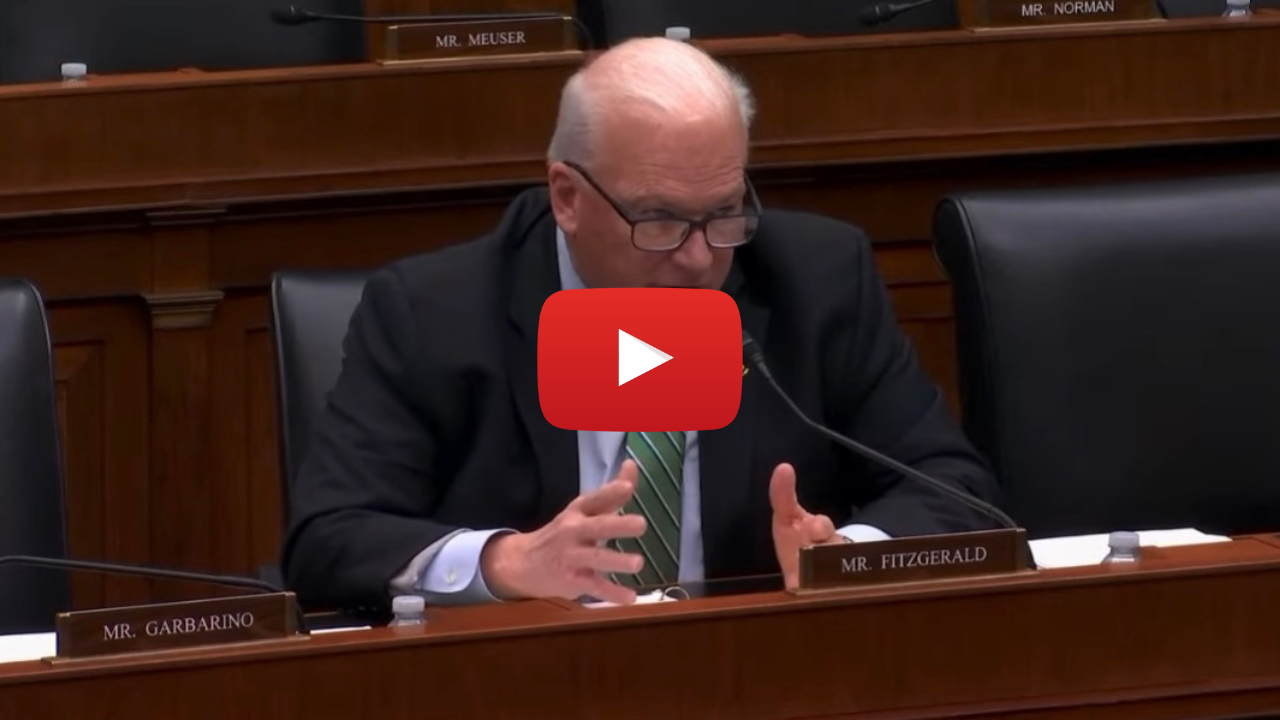
Rep. Fitzgerald Discusses Reducing Government Roadblocks to the U.S. Housing Supply
Recently, the House Financial Services Committee held a hearing titled, “Building Capacity: Reducing Government Roadblocks to Housing Supply.” The hearing examined the factors and policies that have led to the lack of housing supply in America. Over the past decade, housing affordability has become one of the most urgent challenges facing American families. The nation has simply not built enough homes to meet demand, leaving millions of families, especially those in the lower- and middle-income brackets, struggling to find affordable options for homeownership or rental housing.
Rising material and labor costs, fiscal and monetary policies that fueled inflation, and a complex network of government-imposed regulations have all contributed to record-high housing costs. Meanwhile, a maze of federal, state, and local rules has made new development costly, slow, and unpredictable. Builders face multiple layers of permitting, environmental review, and financing restrictions that discourage production and shrink private investment. The result is a market where too few homes are being built, and too many families are priced out.
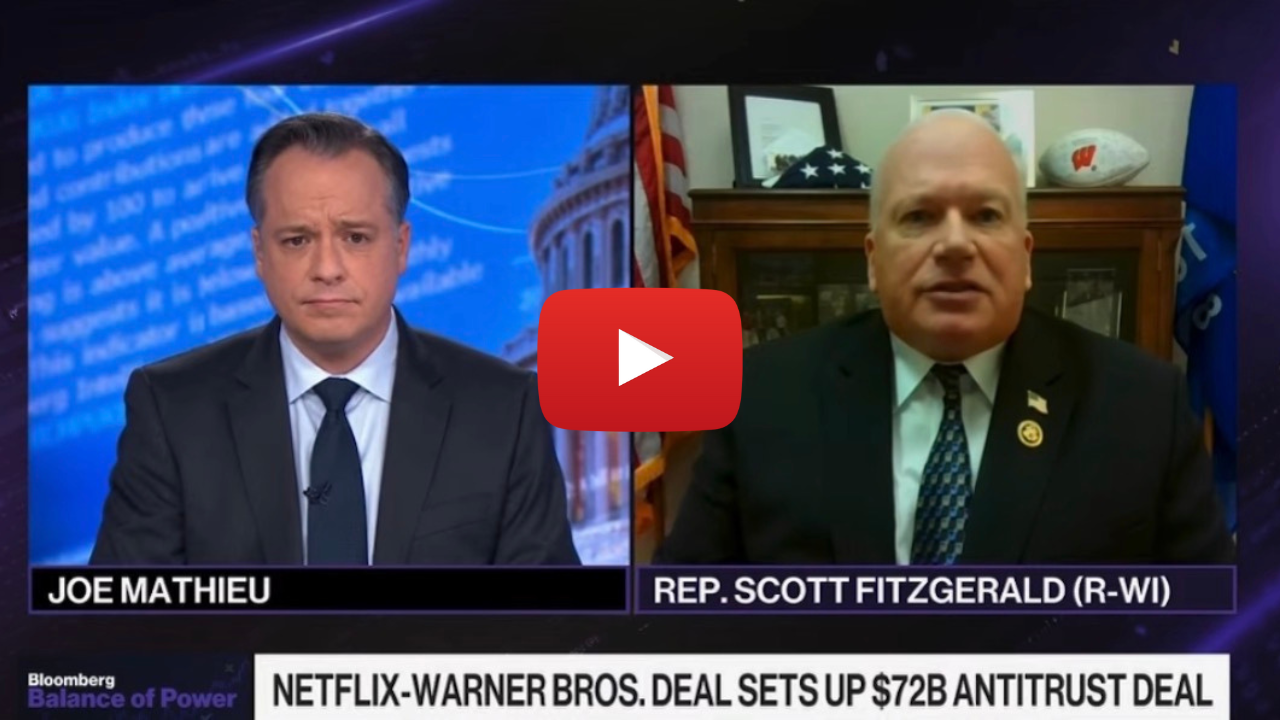
Rep. Fitzgerald Discusses Netflix-Warner Bros. Deal
On Friday, I joined Bloomberg TV to discuss the Netflix-Warner Bros. Deal.
A recent survey showed that 62% of Americans believe the streaming landscape is overcrowded. They complain of scattered content, overlapping subscriptions, and monthly charges that are now far exceeding a basic cable TV package.
A merger of two streaming services brings all that content under one roof, and consumers may find that model preferable. Ultimately, this will be a decision our enforcers at the FTC and DOJ need to make, but I think to immediately say the merger is bad is short-sighted.
Rep. Fitzgerald Discusses How to Reduce Balance Sheet Strain
Last week, the House Financial Services Committee held a hearing titled, “Examining Primary Dealers and Their Balance Sheet Constraints.” The hearing examined the role of primary dealers in the Treasury markets and how rising government debt issuance affects their ability to make markets and participate in Treasury auctions. The hearing also explored how central clearing can ease primary dealers’ balance sheet constraints and how other institutions could be encouraged to become primary dealers.
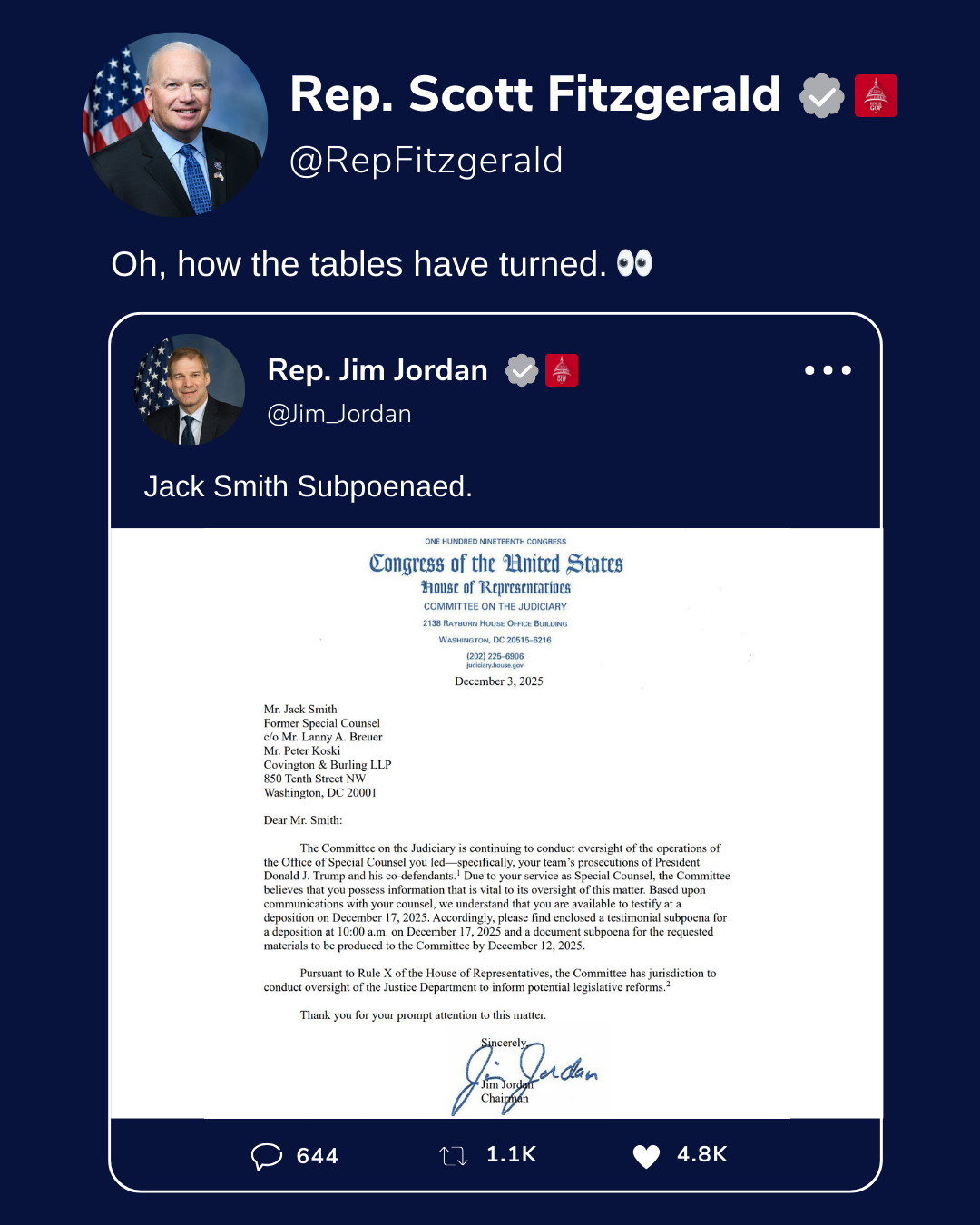
Social Media Highlight
That wraps the updates from this edition of my eNewsletter. Thanks for reading along!
-Scott
That's a wrap for this week's eNewsletter! Follow me on Twitter, Instagram, and Facebook to stay up to date on my work for the 5th District of Wisconsin.
Sincerely,
Scott Fitzgerald
Member of Congress
|