Even if he gains control of the Fed, monetary policy can only do so much—and Trump rejects other policies that could cut the high cost of living and improve growth.
 ‌ ‌ ‌ ‌ ‌ ‌ ‌ ‌ ‌ ‌ ‌ ‌ ‌ ‌ ‌ ‌ ‌ ‌ ‌ ‌ ‌ ‌ ‌ ‌ ‌ ‌ ‌ ‌ ‌ ‌ ‌ ‌ ‌ ‌ ‌ ‌ ‌ ‌ ‌ ‌ ‌ ‌ ‌ ‌ ‌ ‌ ‌ ‌ ‌ ‌ ‌ ‌ ‌ ‌ ‌ ‌ ‌ ‌ ‌ ‌ ‌ ‌ ‌ ‌ ‌ ‌ ‌ ‌ ‌ ‌ ‌ ‌ ‌ ‌ ‌ ‌ ‌ ‌ ‌ ‌ ‌ ‌ ‌ ‌ ‌ ‌ ‌ ‌ ‌ ‌ ‌ ‌ ‌ ‌ ‌ ‌ ‌ ‌ ‌ ‌ ‌ ‌ ‌ ‌ ‌ ‌ ‌ ‌ ‌ ‌ ‌ ‌ ‌ ‌ ‌ ‌ ‌ ‌ ‌ ‌ ‌ ‌ ‌ ‌ ‌ ‌

View this email in your browser

DECEMBER 5, 2025

If we’ve learned anything in 2025, it’s how fragile our systems in this country really are. That’s why The American Prospect is committed to empowering our readers with the critical information and in-depth analysis that they need in order to participate in our democracy. We’re a non-profit newsroom because we believe that journalism is a public service. What we publish isn’t determined by billionaire owners or corporate shareholders. It’s readers like you who help us to write candidly about who is wielding power, what they’re doing with it, and how it affects us all. Can you chip in to support our work?

Donate to the Prospect

Kuttner on TAP

Trump’s self-imposed economic trap

Even if he gains control of the Fed, monetary policy can only do so much—and Trump rejects other policies that could cut the high cost of living and improve growth.

Inflation, as measured by the Fed’s preferred index, rose at an annual rate of 2.8 percent in September. The report was delayed for a month because of the government shutdown. The Personal Consumption Expenditures (PCE) Index was well above the Fed’s target of 2 percent but showed little acceleration. Meanwhile, the job market kept softening. Layoffs have topped 1.1 million so far this year, the highest number since the pandemic year of 2020.


All of that means that another rate cut is very likely when the Federal Open Market Committee meets next week for the last time in 2025. The stock market rose modestly after the PCE number was released Friday morning.


All this is seemingly good news for the economy and for Trump, but only in the very short run. Consumers still experience the cost of living as beyond their means, and the Democrats have a better story on that than Trump does. His net approval ratings, especially on the economy, were down again this week. The Fed, even if Trump gains control of it, can’t do much in the face of stagflation.


Going into an election year, both inflation and unemployment are likely to worsen, creating a no-win dilemma for the central bank. And the Fed, which does best when it operates by consensus, is likely to be fractured as never before.

With Chair Jerome Powell’s term expiring in May, Trump has said that he will appoint a new chair early in the new year. While auditions with Treasury Secretary Scott Bessent are continuing, Trump has all but said in so many words that his nominee will be Kevin Hassett, the top White House economic adviser and the candidate personally closest to Trump. At the Fed, Hassett would function as an arm of the White House, the least independent Fed chair ever.


That prospect has spooked the bond market. Major financial houses with large holdings of Treasury bonds have lobbied Bessent not to appoint Hassett. If the Fed lowers rates too much and inflation spikes, that would depress the value of existing Treasury bonds.


Trump has failed in his effort to gain control of the Fed by firing members of the Board of Governors in the middle of their term, but he will eventually have a friendly majority of members of the policy-setting Open Market Committee. With both inflation and unemployment creeping up, the Fed would have to make some hard calls under the best of circumstances. A Fed whose strings are pulled by the White House is far from the best of circumstances.


Trump wants a good economy going into next November’s election, but what does that mean? Relief from the high cost of living, or plentiful well-paid jobs? He can’t have both, at least not via monetary policy.


There are other strategies that might reconcile job growth with price relief, but they are ideologically forbidden in MAGA-land. They include strong antitrust enforcement and other regulatory strategies to prevent corporate price-gouging, fundamental reform of the health care system to lower consumer costs, as well as measures to make renewable forms of electricity cheap and plentiful. In addition, Trump would have to swear off tariffs.


Since Trump will not pursue any of these sensible approaches, he is left trying to take over the Fed. Even if he succeeds, it won’t do much good.

–ROBERT KUTTNER

On the Prospect website

Netflix Aims for Entertainment Domination

They are trying to pay Warner Bros. Discovery in an $82.7 billion merger. Here’s why it’s a terrible idea. BY DAVID DAYEN

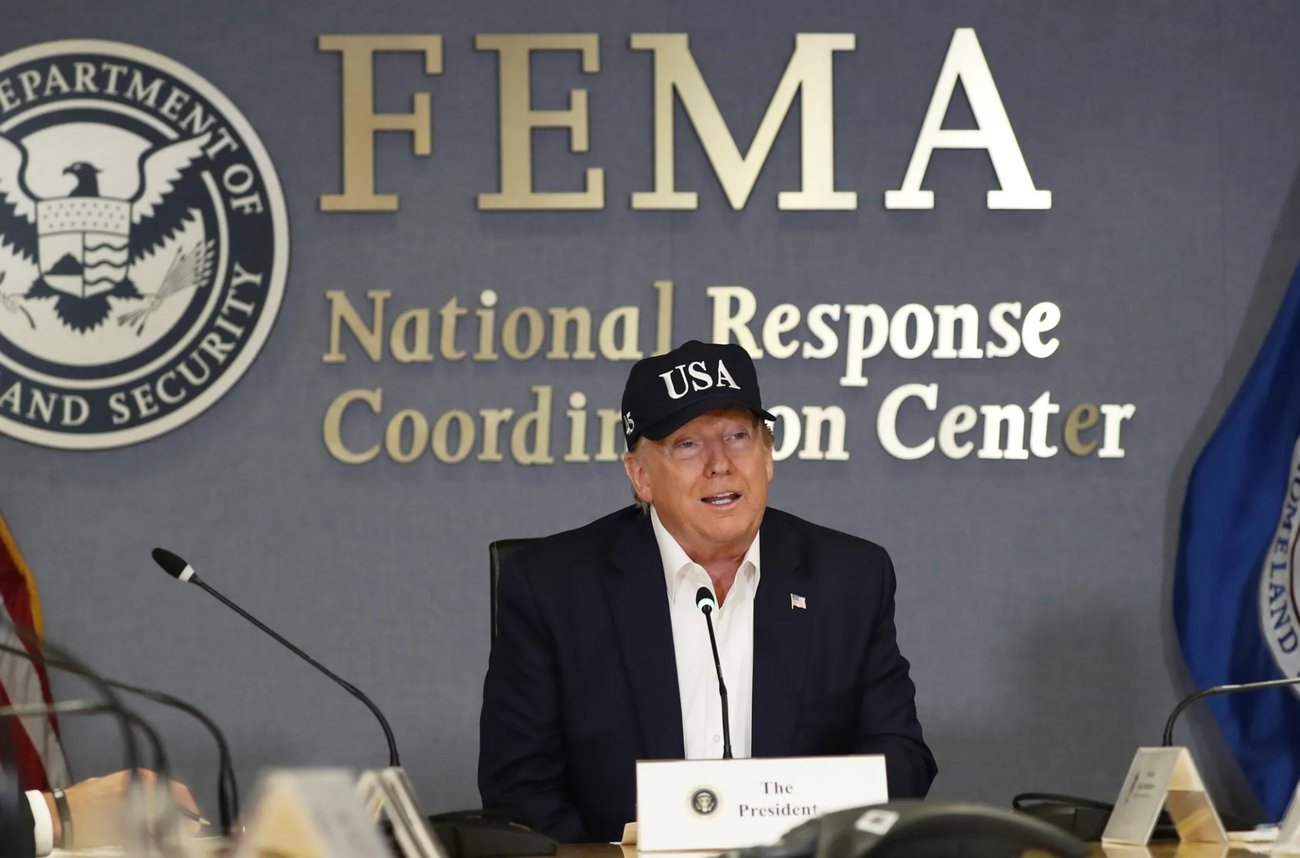
Trump’s Katrina Is Coming

The president’s FEMA sabotage has all but guaranteed us more acute disasters in the future. BY KENNY STANCIL

Meet the Connectors

Middlemen, our economy’s most shadowy characters, sit in between buyers and sellers and get rich in the process. It can even be a matter of life or death. BY WHITNEY CURRY WIMBISH

To receive this newsletter directly in your inbox, click here to subscribe

Click to Share This Newsletter

The American Prospect, Inc., 1225 I Street NW, Suite 600, Washington, DC xxxxxx, United States
Copyright (c) 2025 The American Prospect. All rights reserved.

To manage your newsletter preferences, use our preference management page.

To unsubscribe from all American Prospect emails, including newsletters, follow this link to unsubscribe.