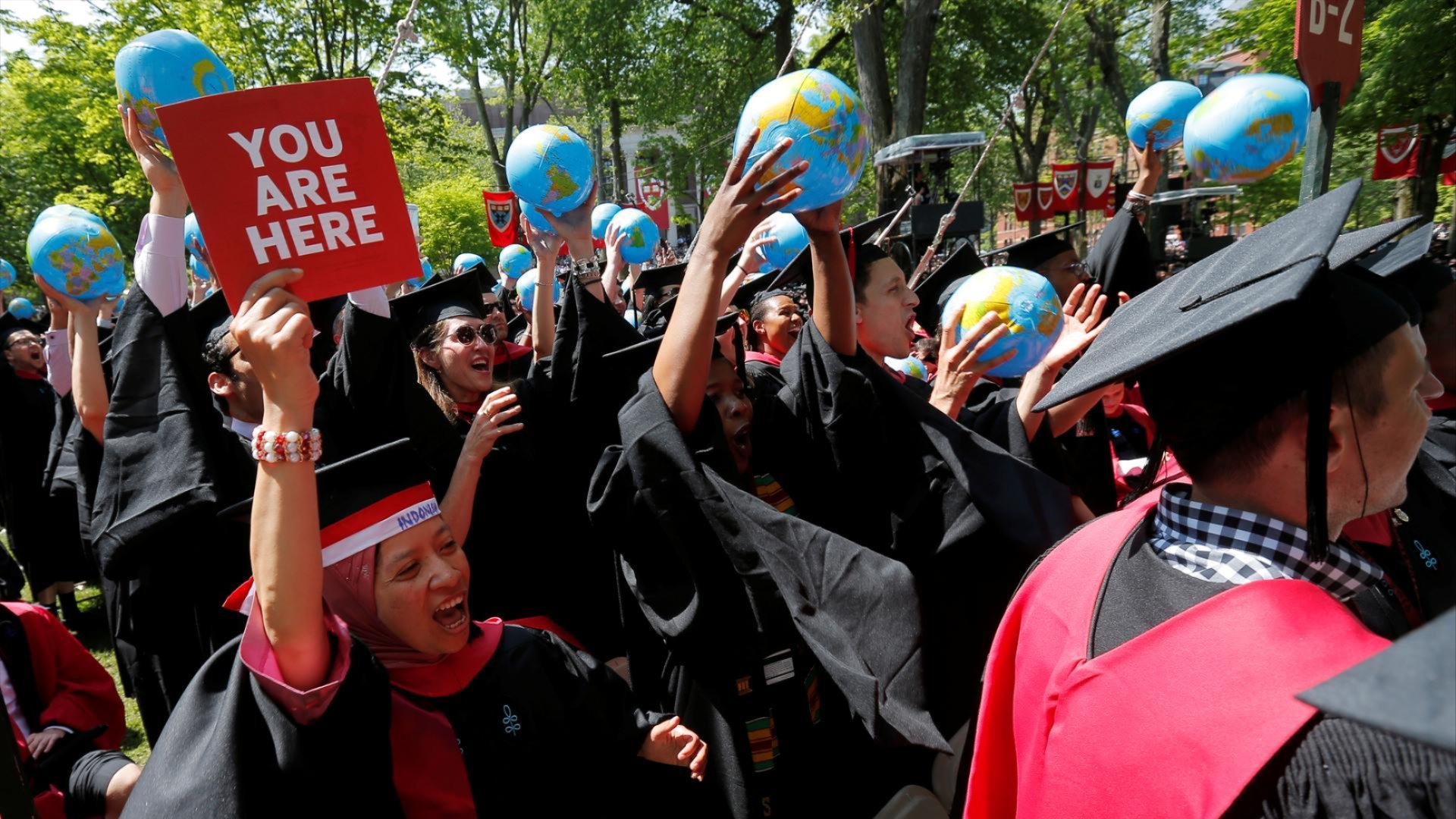
Ban on Harvard international students. The U.S. Department of Homeland Security (DHS) revoked Harvard’s permission to enroll international students, saying the school did not provide the government requested records of student conduct. DHS said the school had created a “hostile” environment for Jewish students. Harvard called the action “unlawful.” Foreign students make up around 27 percent of the student body; the university’s director of media relations say they “enrich the university—and this nation—immeasurably.”
Charges in DC shooting. The U.S. Justice Department filed federal murder charges against the suspect in Wednesday’s killings of two Israeli embassy staffers in Washington, D.C. Elias Rodriguez confessed to the killings, police said. Investigators are also considering hate crime and terrorism charges. Representatives of Jewish organizations called for more government funding for their safety in the wake of the attack, which comes amid a rise of antisemitic incidents in the United States and around the world following the outbreak of the Israel-Hamas war in 2023.
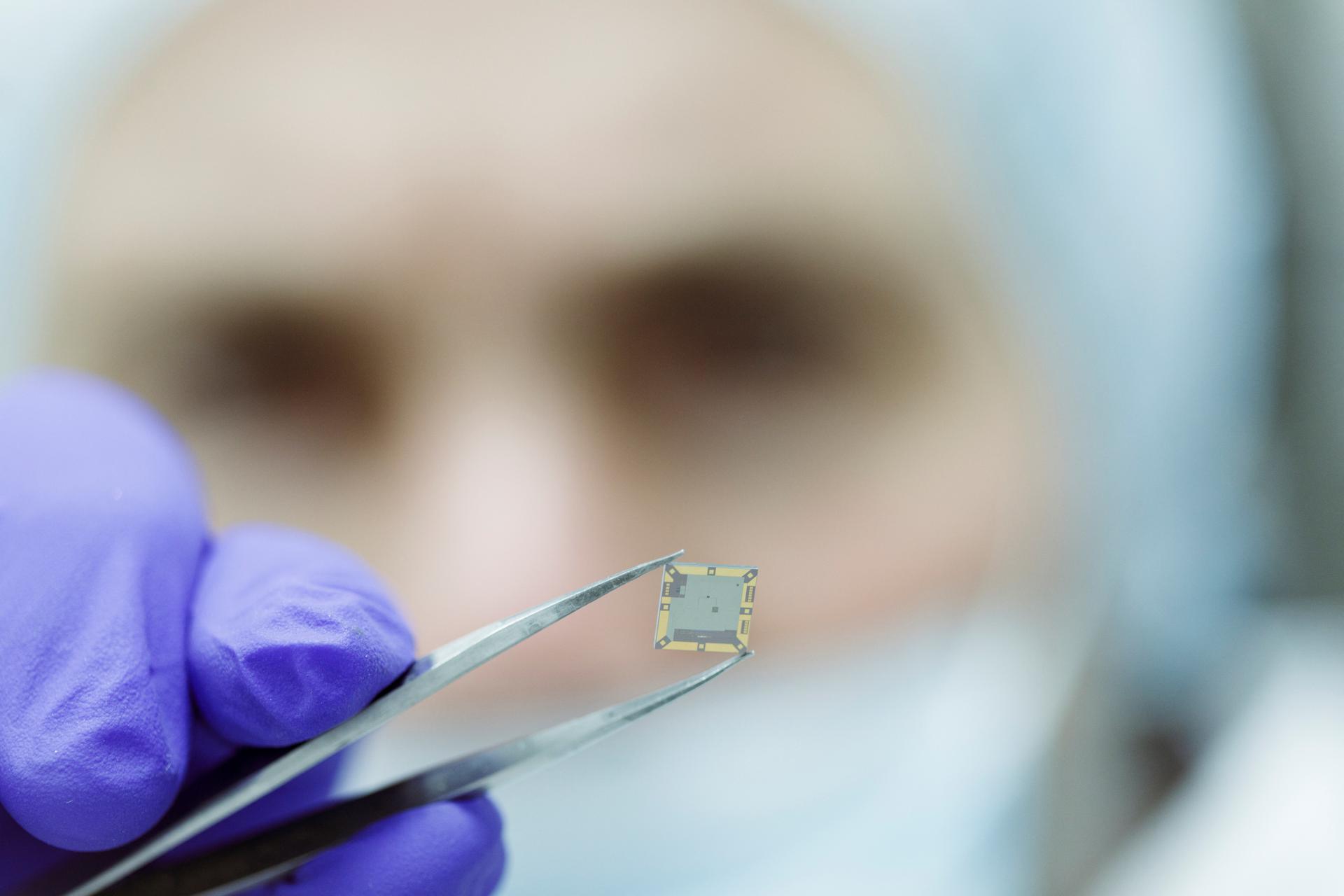
Tracking the great tech race. A new study by European research center Bruegel examined patents to measure the relative progress of China, the European Union (EU), and the United States on the research frontier of three critical technologies: quantum computing, semiconductors, and artificial intelligence (AI). It concluded that U.S. actors dominate innovation in quantum computing and, to a lesser extent, AI, while Chinese actors are ahead in semiconductors, and the EU lags in all three.
U.S. weighs troops in South Korea. The Trump administration is considering pulling thousands of troops out of South Korea, unnamed sources told the Wall Street Journal. In one reported scenario, roughly 4,500 troops would depart for other parts of the Indo-Pacific, including Guam. A Pentagon spokesperson said there were no policy announcements to make, South Korea’s defense ministry declined to comment, and South Korea’s military said it had not discussed a troop reduction with Washington.
U.S. sanctions on Sudan. The United States determined the Sudanese army used chemical weapons in the country’s civil war last year and will impose new sanctions on Sudan beginning on or around June 6, the State Department said yesterday. Sudan’s government responded that the measure “lacks any moral or legal basis.” The announcement did not specify which weapons were used or where; unnamed U.S. officials told the New York Times in January that Sudan’s army appeared to have used chlorine gas in remote parts of the country.
North Korea warship damaged. In an unusual acknowledgement of a military malfunction, North Korean state media reported yesterday that the country’s second naval destroyer was damaged during its launch event. Seawater flowed into the ship, state media said today. Satellites showed that North Korea placed a cover over the partially submerged ship, which Pyongyang had reportedly rushed to complete.
Aid distributed in Gaza. Humanitarian aid reached warehouses inside Gaza for the first time in eleven weeks, UN agencies said yesterday. The aid included flour and baby food. Twenty-nine children and elderly people in the territory died from “starvation-related” causes in the last few days, the Palestinian Authority health minister stated yesterday. Israel said 107 aid trucks crossed the border into Gaza yesterday, while UN agencies say an estimated 600 per day are needed to address the territory’s humanitarian crisis.
UK deal on Chagos Islands base. The United Kingdom (UK) reached a deal with Mauritius—its former colony—to give up its claim over the disputed Chagos Islands and pay Mauritius some $136 million per year to lease the area that houses a U.S.-UK military base. The UK separated the Chagos Islands from Mauritius in 1965, shortly before Mauritius gained independence.