Image

Daily News Brief

May 22, 2025

Welcome to CFR’s Daily News Brief. Today we’re covering South African President Cyril Ramaphosa’s meetings with U.S. President Donald Trump, as well as...

  • The shooting of Israeli embassy staffers in Washington, D.C. 

  • The rise in global tropical forest loss in 2024

  • Europe’s support for RFE/RL reporting


Top of the Agenda

Trump made false claims about a genocide of white South African farmers yesterday during an Oval Office meeting with the country’s president. In an unusual step, he also showed a video he said supported his claims. Ramaphosa challenged the claims, saying there was no genocide but that crime in South Africa affects a wide swath of people and deserves public policy attention. Despite the public display of friction, the South African president described his visit as a success for achieving “reengagement” with the United States after a sharp downturn in bilateral relations in recent months.


The context. Trump and Elon Musk, who has been advising the U.S. administration and was born in Pretoria, South Africa, have repeatedly criticized the country for its alleged discriminatory treatment of white South Africans. The Trump administration has cut all aid to South Africa and accepted Afrikaners as refugees, while blocking other refugee admissions. The administration has disengaged from the Group of Twenty, which South Africa currently chairs ahead of a November summit. And it has cast doubt on the future of a trade pact between the United States and African countries that is due to lapse in September.


The confrontation. Ramaphosa began to discuss trade at the beginning of the meeting, but when a reporter asked Trump about his past claims of white genocide, Trump dimmed the lights to play a video montage. It included footage of leftist South African opposition politician Julius Malema chanting “kill the Boer,” which means farmer in Afrikaans. Ramaphosa said the speech was not government policy. His white agriculture minister said that rural crime affected “all farmers,” while “stock theft in particular affects Black farmers.”


The fallout.
It was not immediately clear whether the meeting set the table for improving relations. Ramaphosa said that closed-door meetings focused more on economic matters, and his trade minister said that a proposal was on the table for South Africa to purchase liquefied natural gas from the United States. The two countries also discussed potential projects on critical minerals, he added.


“Thus far, President Trump has calculated that the benefits of a solid bilateral relationship pale in comparison to those gained by vilifying South Africa… The likely consequence of this policy direction is not good news for the United States. U.S. businesses operating in South Africa will suffer alongside South African enterprises. The result will be greater South African enthusiasm for China and Russia, and economic headwinds that will politically advantage South African actors that are far more hostile to America than the current South African government.”

—CFR expert Michelle Gavin, Africa in Transition


The India-Pakistan Crisis

The President's Inbox

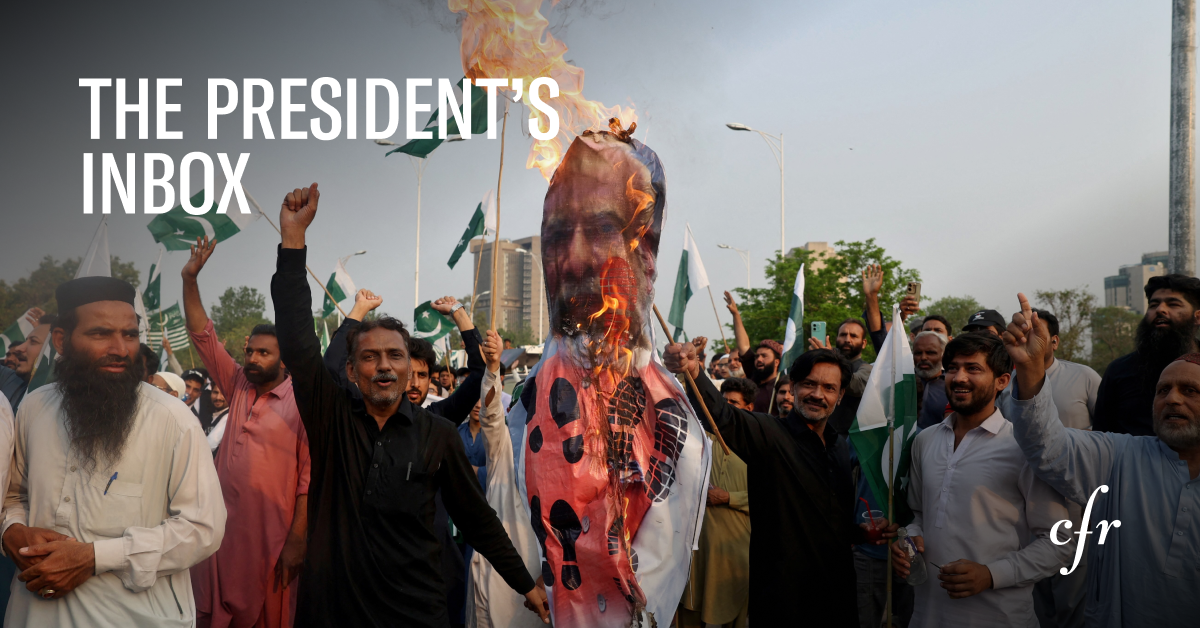
India’s response to the April 22 attack in Kashmir differed from how it responded to previous extremist incidents. Stanford University’s Šumit Ganguly discussed the recent military clash between India and Pakistan on this episode of The President’s Inbox.

Listen


Across the Globe

Israeli diplomatic staff killed in DC. U.S. authorities took a man into custody after two Israeli embassy staffers were fatally shot last night in downtown Washington, D.C. The shooting occurred outside the Capital Jewish Museum, where a reception for young diplomats was being held. The man shouted “free, free Palestine” after he was in custody, the Metropolitan Police chief said. President Trump, Israeli Prime Minister Benjamin Netanyahu, and several other world leaders condemned the killings as an act of antisemitism. The shooting has few parallels in recent history in the U.S. capital; a former Chilean diplomat was killed in a bomb attack in 1976.


U.S. accepts plane from Qatar. The Department of Defense said yesterday that it accepted a Qatari luxury plane to be used as Air Force One, the president’s plane. The transfer has sparked concerns of breaking foreign influence laws and of the plane’s potential bugging, but a Pentagon spokesperson said it was “in accordance with all federal rules and regulations” and that “proper security measures” will be taken into account.


Russian spies in Brazil. Brazilian authorities, in cooperation with Western intelligence agencies, have since 2022 identified at least nine deep-cover Russian spies that built fake identities in the country, the New York Times reported. At least two were arrested, while others apparently fled the country as the investigations progressed. Russia’s invasion of Ukraine prompted increased global cooperation to root out Russian espionage.


India targets insurgents. India’s military killed the top leader of the Naxalite-Maoist insurgency group and twenty-six others in a military operation yesterday, the country’s home affairs minister said. The group has been fighting the government since 1967. The government said it killed thirty-one members of the movement in a separate operation last week.


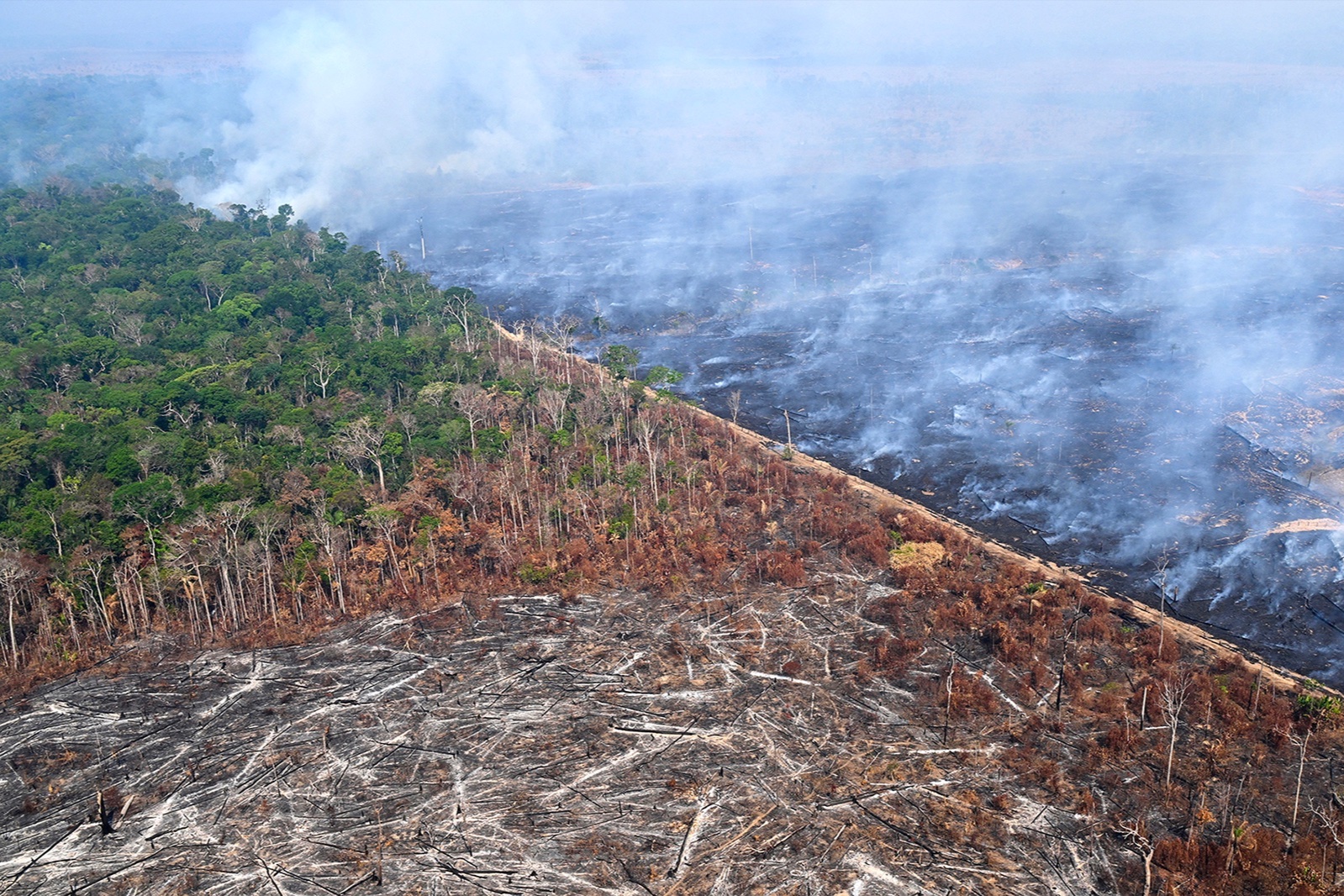
Tropical forest destruction. Worldwide primary tropical forest destruction surged to a record high of roughly 25,869 square miles last year, around half of it due to fires, according to the World Resources Institute. In previous years, fires accounted for a much smaller portion of forest loss, but dry conditions have expanded the size of fires that farmers often start to clear land for agriculture. Bolivia, Brazil, and the Democratic Republic of Congo (DRC) lost the most tropical forest last year. 


European backing for RFE/RL. The European Union agreed to contribute some $6 million in short-term emergency funding for Radio Free Europe/Radio Liberty (RFE/RL), the bloc’s foreign policy chief Kaja Kallas said yesterday. The Trump administration cut funding for the U.S.-created media organization, whose journalistic headquarters are in the Czech Republic. Kallas said Brussels would not be able to fully fund the organization’s worldwide operations but hoped to help it function “in our neighborhood.” 


Bus attack in Pakistan. Pakistan blamed India for an explosion targeting a school bus that killed five people Wednesday morning in the province of Balochistan. India’s foreign ministry called the accusations “baseless.” The incident is being investigated as a suspected suicide bombing. A separatist insurgency has carried out several attacks in Balochistan in recent years. 


Former DRC leader sentenced. The DRC’s Constitutional Court sentenced former Prime Minister Augustin Matata Ponyo Mapon to ten years of forced labor for embezzlement. Matata led the country between 2012 and 2016 and was accused of misusing funds from an agricultural development project; he now heads the Leadership and Governance for Development party. His lawyer denied wrongdoing and said the charges were politically motivated.


Can Amazon Countries Save the Rain Forest?

An aerial view of a section of the forest destroyed by illegal fires in Amazonas State, Brazil.

Evaristo Sa/AFP/Getty Images

The Amazon Rainforest plays a critical role in global climate health, but accelerating deforestation continues to raise alarm. CFR’s Diana Roy lays out how different governments in the region are responding in this explainer.


What’s Next

  • Today, NATO Secretary-General Mark Rutte visits Norway.

  • Tomorrow, Paraguay’s president wraps up a trip to Japan.

  • Tomorrow, Malaysia’s ruling party elections are set to conclude.


World Press Freedom Continues Its Decline

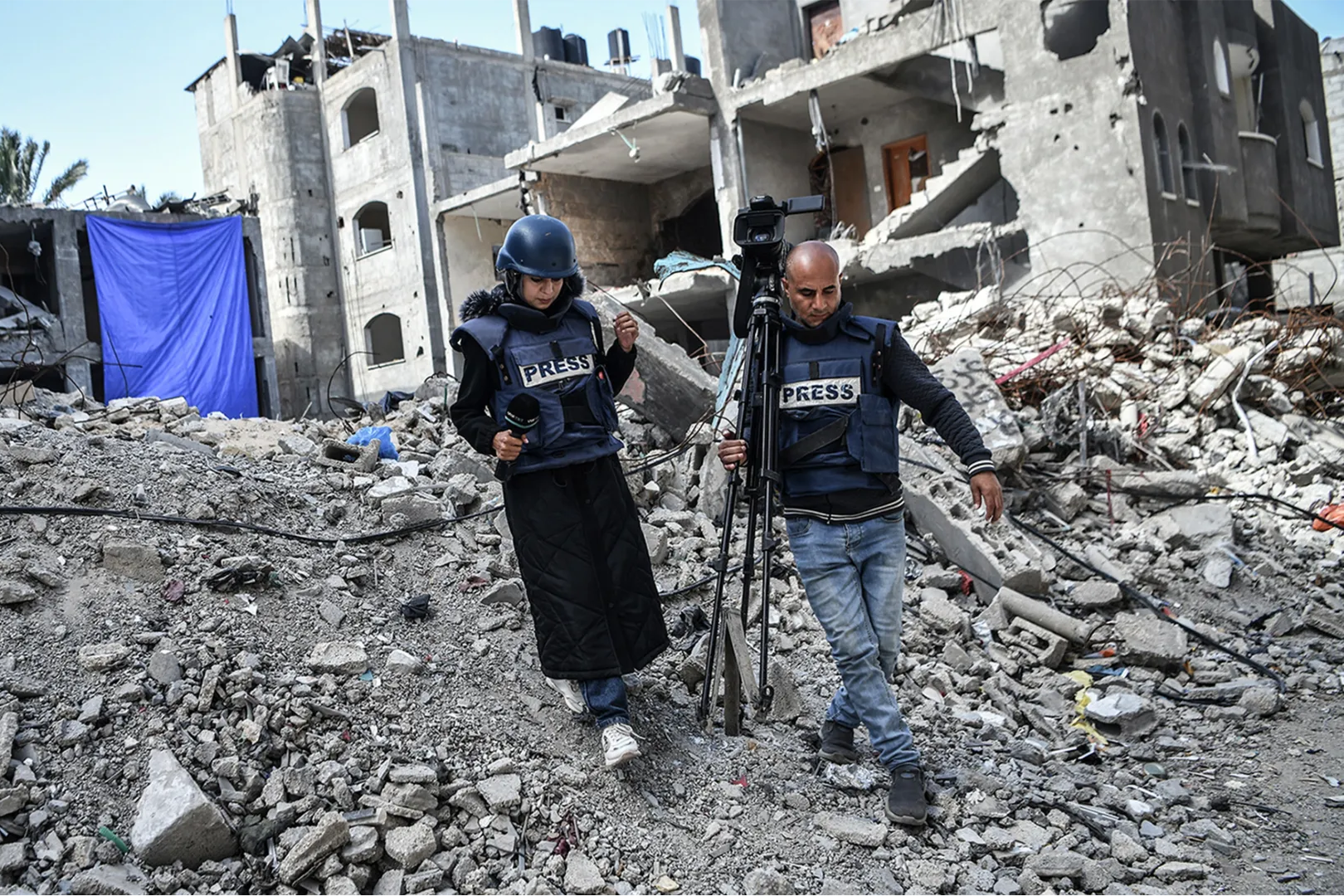
TRT Arabi Reporter, Reba Khalid al-Ajami reports from Gaza, enduring the ongoing Israeli attacks in Rafah to do her job.

Abed Zagout/Anadolu/Getty Images

Media freedoms across the world are facing new threats in 2025 that watchdog groups say could endanger the free flow of accurate information and stifle dissenting voices, CFR’s Mariel Ferragamo writes in this article.


Council on Foreign Relations

58 East 68th Street, New York, NY 10065

1777 F Street, NW, Washington, DC 20006

Was this forwarded to you? Subscribe to the Daily News Brief

FacebookTwitterInstagramLinkedInYouTube

Manage Your Email Preferences

View in Browser