|
 |
DOJ Investigates Corruption in Top Medical Journals: ‘Pills, Profits, and Predators’ Under Scrutiny
Medical Journals Pushed Lies—Now the DOJ Wants Answers
|

| |||||||||||||||


To many in the medical field and beyond, these questions strike at the heart of a crisis of trust.
The U.S. Department of Justice has launched a quiet but potentially explosive investigation into the editorial practices of America’s top medical journals.
This unprecedented move targets a long-suspected source of corruption in public health: the cozy and often concealed relationship between pharmaceutical giants and the very journals meant to hold them accountable.
The probe focuses on whether leading journals have violated federal laws, including potential civil and criminal statutes, by colluding with pharmaceutical companies to publish biased, politically motivated, or fraudulent research.
The DOJ’s inquiry has reportedly taken the form of formal letters to editorial boards asking pointed, but long overdue, questions:
How do you assess your responsibility to protect the public from misinformation?
Do you accept and publish essays or articles from competing viewpoints?
To many in the medical field and beyond, these questions strike at the heart of a crisis of trust.
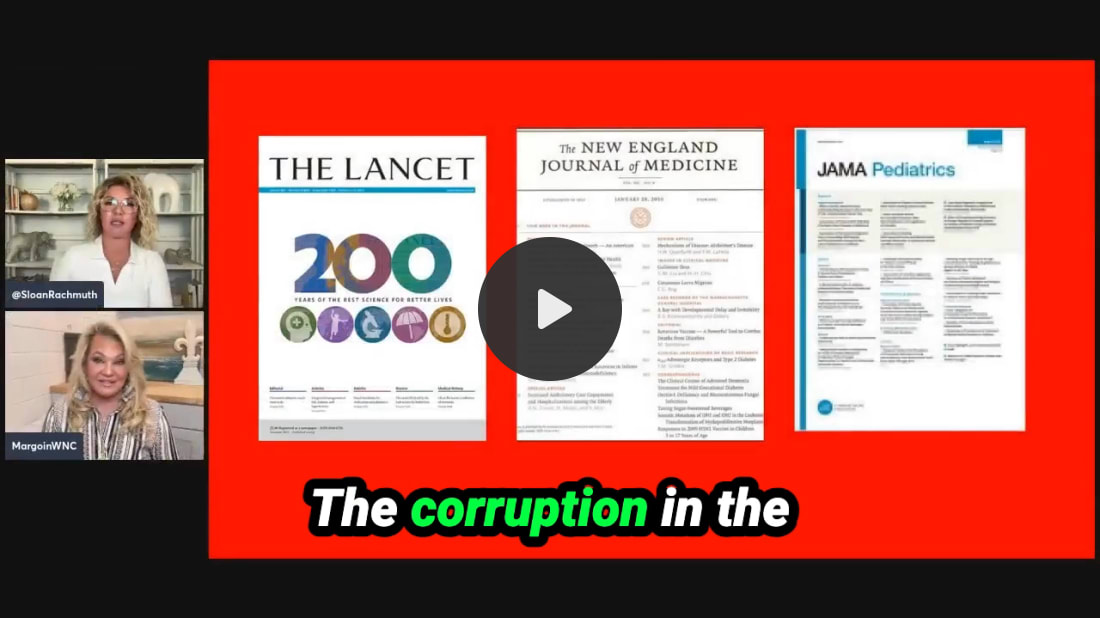
For years, whistleblowers have warned that once-revered institutions like the New England Journal of Medicine, JAMA, and the Journal of Pediatrics have been weaponized—used to push flawed science, censor dissent, and destroy the careers of doctors who don’t toe the pharmaceutical line.
As the "Pills, Profits, and Predators" segment on NC Political Tea’s podcast put it:
“Corrupting public health means you are causing death on a mass scale.”
📉 Three Strikes from COVID
The COVID-19 pandemic blew the lid off long-festering corruption in the scientific publishing world. Consider three high-profile journal failures:
Mask Mandate Debacle—The Journal of Pediatrics declared cloth masks essential for children, but it later retracted the study due to corruption in its data.
School Closures and JAMA Bias – JAMA published articles slamming President Trump’s efforts to reopen schools in 2020, aligning more with political ideology than sound science.
Hydroxychloroquine Smear Campaign – The New England Journal of Medicine ran pieces condemning early COVID treatments like hydroxychloroquine, later admitting the studies were deeply flawed.
Each case not only manipulated public policy but also shattered public trust.
📚 Why Medical Journals Matter
Medical journals are more than just academic publications.
They dictate the standard of care, shape the next generation of doctors, and inform millions of patients seeking clarity on health decisions. Their contents ripple outward, affecting insurance coverage, FDA guidance, and global health policy.
In the digital age, the influence of journals has grown, stretching beyond physicians and researchers to ordinary citizens who read studies related to their health. But when those journals are compromised, the damage is incalculable.
🧬 Politics Over Science
According to insiders, the rot runs deep. One source recounted how even publishing in prestigious journals like Nature has long been a political game.
“There’s serious politics in this,” said one scientist. “If they don’t like you, they won’t publish you—or they’ll undercut your findings with a rebuttal the next month, even if your science is sound.”
This mirrors the experience of thousands of credentialed experts who were deplatformed, smeared, or ignored during the pandemic because their research challenged the prevailing pharmaceutical narrative.
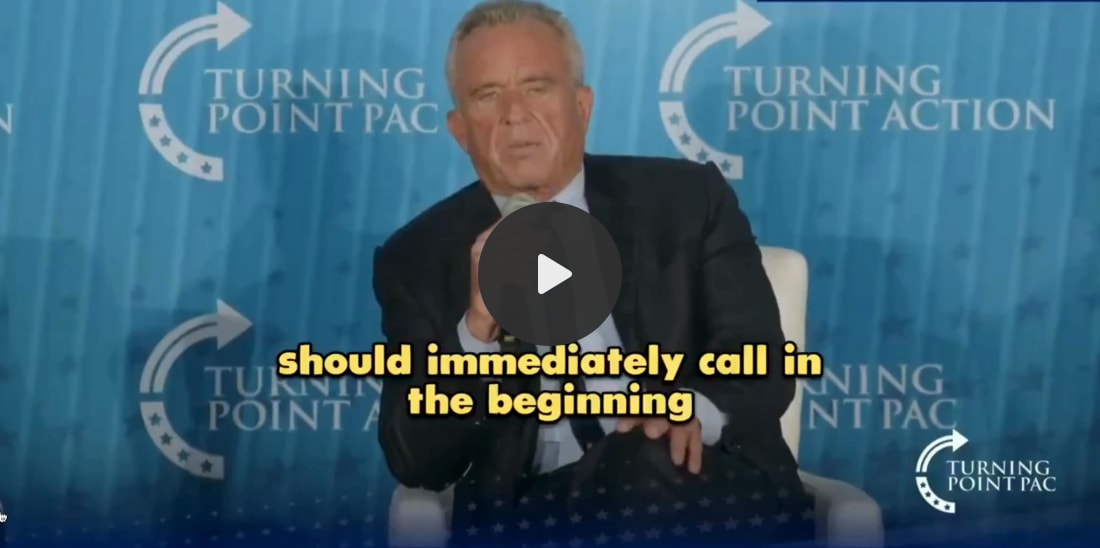
As Robert F. Kennedy, Jr. warned early in his campaign, “The DOJ should investigate the medical boards and the journals for colluding with pharma to silence doctors who try to heal patients.”
⚖️ What Comes Next?
The DOJ’s line of questioning indicates that this may not be a symbolic gesture, but a real reckoning.
If editors are found to have knowingly peddled falsehoods for profit while silencing dissenting views, it could fall under civil fraud or even racketeering.
Critics argue that if the same standards applied to news organizations during elections were used to journals during the pandemic, “we’d be seeing indictments.”
Whether the investigation leads to prosecutions or forces long-overdue reforms, one thing is clear: the credibility of American medicine hangs in the balance.
Sloan’s Substack is free.
| ||||||||||