Since his book cited Badger Institute research on federal role in bloated bureaucracy, we update the grim figures |
By Mike Nichols, Mark Lisheron & Wyatt Eichholz |
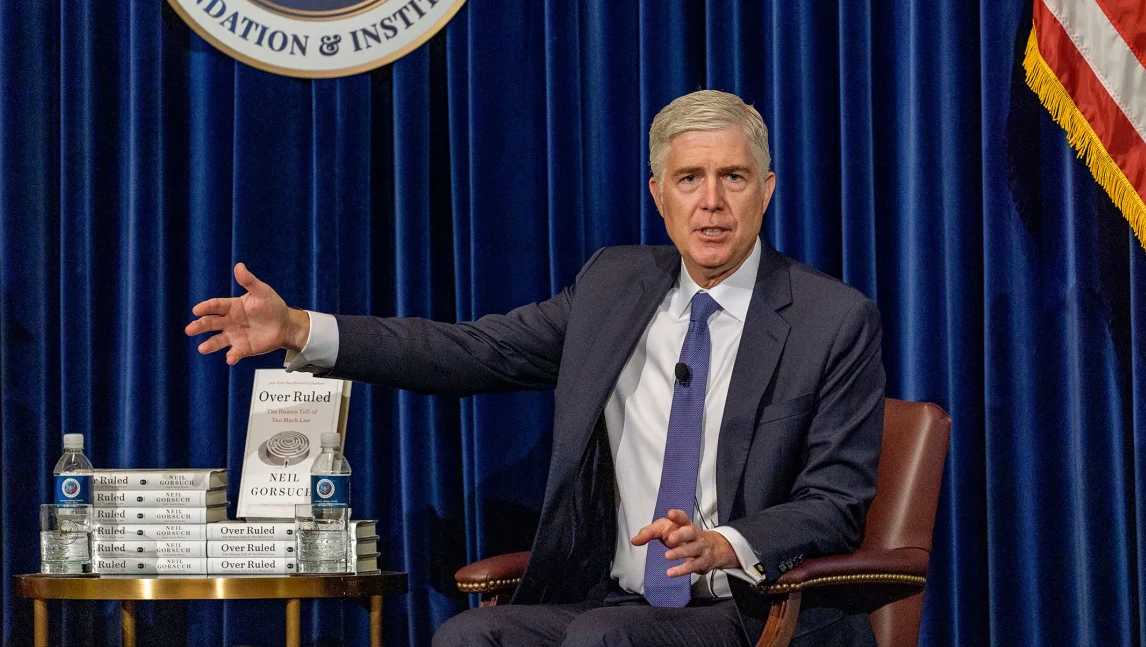
In his new book, “Over Ruled: The Human Toll of Too Much Law,” Supreme Court Justice Neil Gorsuch laments the vast expansion of the federal government into matters once left to the states, and he cites the fact that “in Wisconsin, close to half of the Department of Children and Families’s employees are reportedly paid with federal funds.”
At the state’s Department of Health Services, he notes in another example, a fifth receive their paychecks thanks to federal dollars. His footnote: none other than the Badger Institute’s “Federal Grant$tanding” book, published in 2018. |
Police in DeForest more than 13 times as likely to issue cannabis citations than counterparts in Milwaukee, Fitchburg or Hobart/Lawrence |
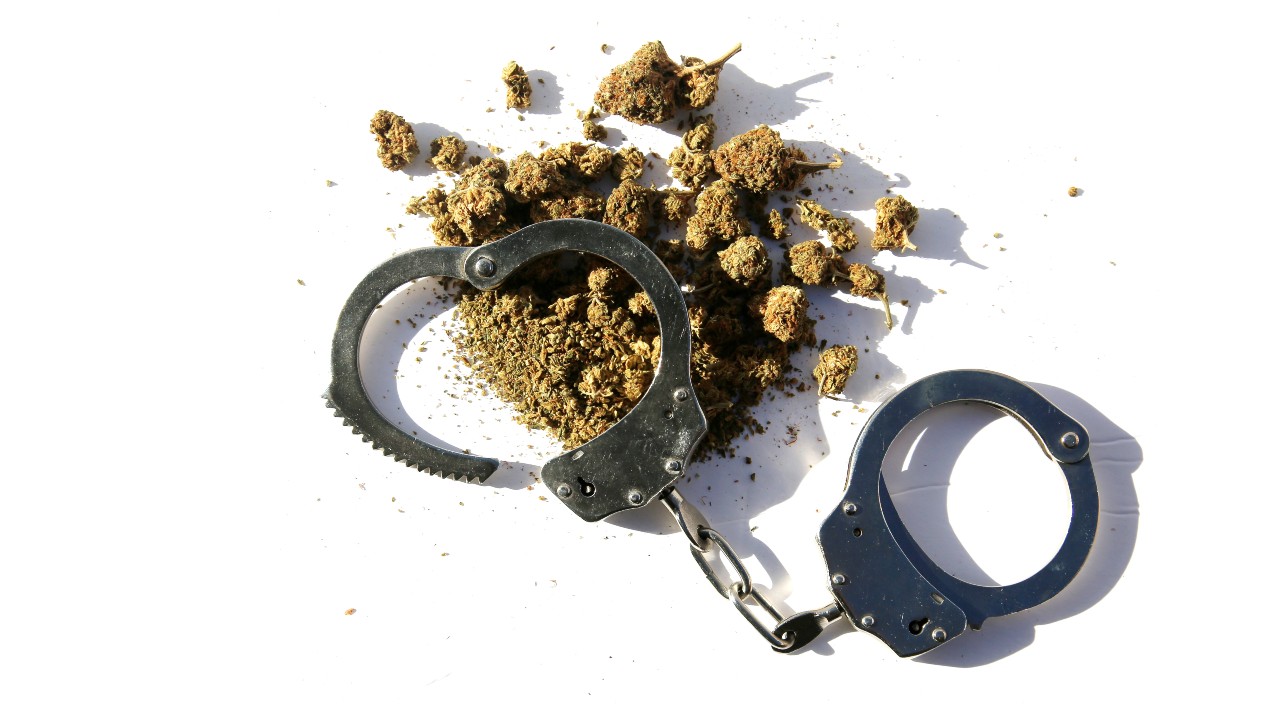
It can’t be known whether residents of DeForest are more likely to use marijuana than peers in Milwaukee or Fitchburg or the Hobart/Lawrence area, but on a per capita basis they are more than 13 times as likely to be cited for a cannabis-related ordinance violation.
And they are more than five times as likely on a per capita basis to receive a citation as counterparts in the Stevens Point/Plover area or in Two Rivers.
A look at trends over time in a limited sample of places in six different areas of the state, meanwhile, shows authorities clamping down in some areas such as DeForest as those elsewhere are easing up. While the state in general rarely prosecutes possession or sale of larger amounts of marijuana, the sample shows that some municipalities are much more likely than others to prosecute less serious violations. |
|
|
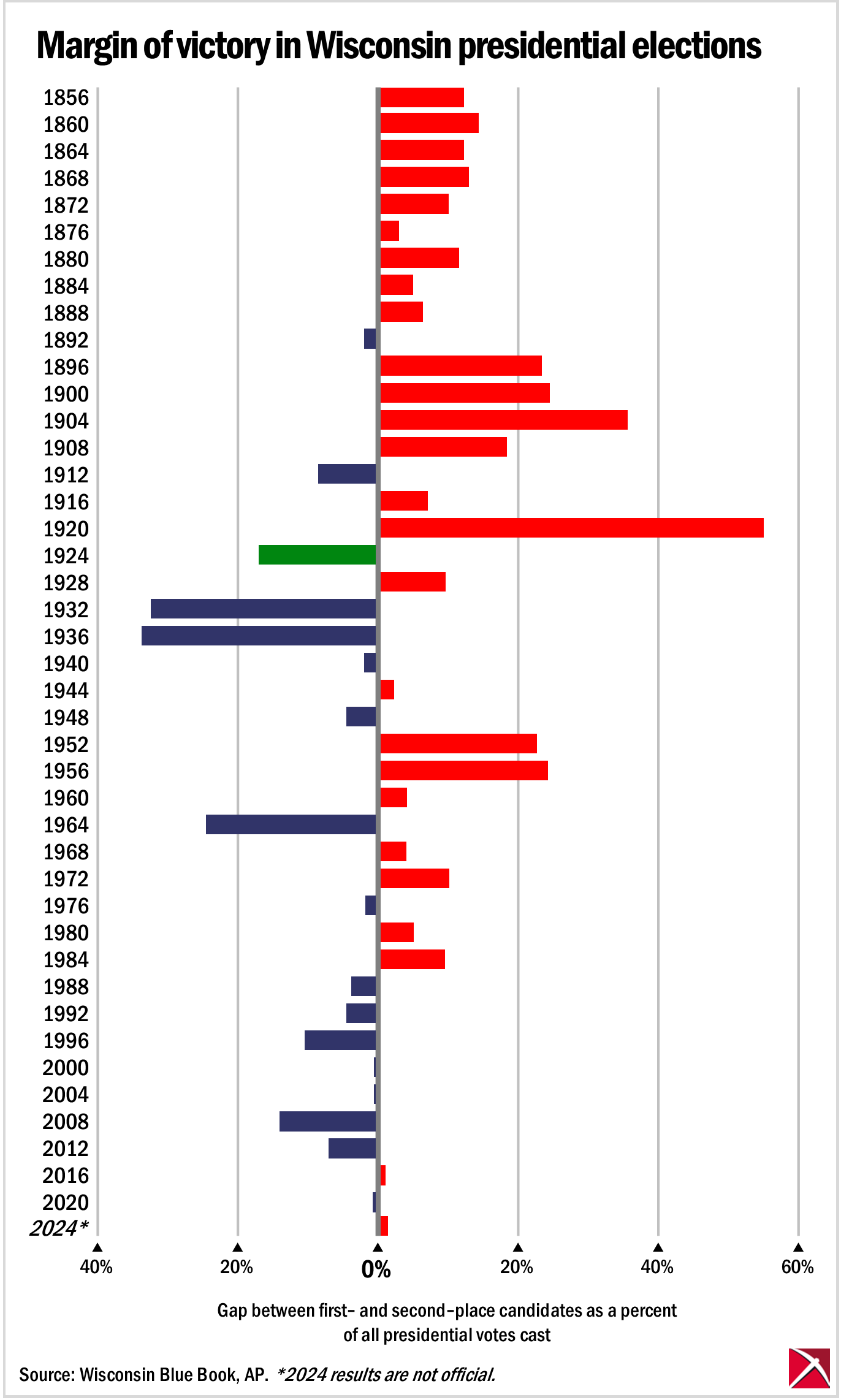
In the 43 elections between the formation of the Republican Party in 1854 that marked the beginning of the United States’ now-familiar two-party system and today, Wisconsin has cast its electoral votes in favor of Republican candidates 26 times, Democrat candidates 16 times, and the Progressive candidate once, data from the Wisconsin Blue Book show.
For the past couple of decades, Wisconsin was regarded as a crucial brick in the so-called “blue wall” of presidential politics: a bloc of northern states that reliably voted Democrat, albeit by sometimes slim margins. In 2016, however, Wisconsin became a swing state, flipping red to elect Donald Trump by margin of about 0.77%. Joe Biden then reclaimed Wisconsin for the Democrats in 2020, with a margin of just 0.63%. |
| |
|
The Wisconsin Department of Public Instruction wants legislators in the upcoming session to approve taxpayer-funded lunch and breakfast for every single public school student in Wisconsin — a massive expansion that would double the number currently receiving free food.
The Badger Institute first wrote about the push for more free lunch in 2011, when we reported that the percentage of public school kids found eligible to receive taxpayer-provided meals was 41% — already up substantially from just 28% during the 2001-02 school year.
By 2023, over 49% of public school students were approved for free or reduced meals. A family of four in Wisconsin currently must have annual income less than $40,560 for its children to qualify for free meals.
A DPI press release states that the “universal free meals proposal” would cost nearly $294 million, but the department’s communications area did not answer its phone this week or respond to emails seeking clarification regarding the current cost and whether the $294 million figure would be in addition to or inclusive of current spending.
For more information about why this is a costly and bad idea, please see our 2011 story, Yes, There Is a Free Lunch. |
“The blatant disregard that the MPS Board and its teachers’ union has for its students, its taxpayers, and the written commitments it has made is appalling, lawless, and beyond belief. Bill Andrekopoulos, certainly a highly experienced observer of MPS, is dead right. MPS, as an organization, has long since run its course. I am saddened by the decades of detrimental impact this irresponsible behavior has had on generations of young inner-city residents. It is time for transformative action by our state government. SAVE OUR KIDS!” |
|
|
Weekly survey: Federal funds account for what percentage of Wisconsin’s state budget?
|
|
|
Invest in the Badger Institute |
|
|
|
The Badger Institute, formerly known as the Wisconsin Policy Research Institute (WPRI), has long been at the forefront of the fight for school choice, right to work, welfare reform, tax restructuring, limited government, civil society and so much more. If you appreciate the Institute’s legacy and want to support free markets, opportunity and prosperity, please consider donating today. Your support will help the Institute continue to advocate for conservative principles now and in generations to come.
|
|
|
The Institute never has, and never will, accept government funding. We gratefully welcome your online donation or email Angela Smith, Executive Vice President.
The Badger Institute is a 501(c)(3) tax-exempt nonprofit organization funded solely by the generosity of foundations, companies and individuals. |
|
|
Badger Institute
700 W. Virginia St., Suite 301
Milwaukee, WI 53204 |
|
|
|