|
 |
The Middlemen of American Medicine
Need healthcare in America? Middlemen are driving up costs, leaving you with less care and more risk.
|
| |||||||||||||||


When I was in seventh grade, one of my friends lost his brother to an accident. It was a terrible, gut-wrenching thing, as sudden losses always are. But the heartbreak was compounded when the family had to deal with medical bills they couldn’t afford. His brother didn’t have insurance. The bills started piling up almost immediately, and I watched as a family already reeling from grief was ground down further by debt.
 |
Today, we’ve made some progress. The Affordable Care Act ensured people like my friend’s brother wouldn’t be tossed aside. But why is healthcare still so expensive? Why do premiums keep rising? Why are hospitals struggling to stay afloat? Ask, and you’ll get a sigh—consolidation, bureaucracy, high costs, low reimbursements.
The ACA fixed a flaw, but it didn’t fix the system. Premiums keep rising, thanks in part to the Supreme Court gutting the ACA’s insurance requirement, calling it a tax. Now, millions are uninsured or underinsured, and your premiums are subsidizing them. It makes you wonder if our values are in the right place. In America, we’re compelled to insure our cars but not ourselves; the engine under the hood is worth more than the heart in our chest. Perhaps we should reassess our priorities.
Recently, I toured a Medical Center and a Community Health Center in some of my state’s rural towns—they’re incredible, state-of-the-art buildings staffed by hardworking folks. These clinics provide care for over 36,000 individuals across 22 sites in North Dakota, supported by federal programs like 340B. They save Medicaid 24% annually through preventive care, yet many are on the brink—high costs, low reimbursements, and consolidation squeezing them out.
Which brings me to American healthcare’s middlemen—the ones making billions off a system they’re not even providing care for. The medieval toll collectors of healthcare—adding nothing but obstacles, while taking a cut for themselves. You know the type—the guys who make sure they get paid whether or not you even make it across the bridge.
Pharmacy Benefit Managers (PBMs) are the gatekeepers between pharmaceutical companies and pharmacies, adding layers of bureaucracy and making it impossible for patients to know the true cost of their medications. Just like the railroad monopolies that squeezed farmers in the 19th century these middlemen—insurance companies, PBMs, and medical supply wholesalers—are squeezing patients and providers alike. They add costs without adding value, skimming profits while hospitals and clinics fight to keep the doors open. Patients and providers have no choice but to pay whatever these middlemen demand, just like farmers who had no option but to pay exorbitant fees to ship their goods. Different century, same story.
And Congress? Instead of fixing things, Republicans have tried tearing down the ACA again and again—burn it down, they say. But there’s no plan to rebuild. Just ashes. John McCain understood that healthcare isn’t a luxury—it’s a necessity.
We’re still fighting the same fight. Across America, hospitals—rural and urban—are closing, consolidating, or scaling back, leaving communities with fewer options and worse outcomes. In rural areas, the stakes are even higher. These healthcare centers aren’t just for treatment—they’re the heartbeat of communities, anchors for jobs, childcare, and local economies. They support not just one town but entire regions.
When a rural hospital shuts down, the effects ripple far beyond that community: jobs are lost, lifelines cut, businesses crippled. The strain spreads across the broader healthcare system, driving up costs, reducing access, and eliminating critical services like labor and delivery—not just locally, but region-wide.
With over 30% of America’s rural hospitals—more than 700—at risk of closing, half of them facing immediate threats, the situation is urgent. Congress has taken steps, like establishing Rural Emergency Hospitals, but it’s far from enough. As hospitals disappear and the nearest alternatives are hours away, the cost isn’t just higher prices—it’s lives at stake.
We must demand accountability—from Big Pharma, from insurers, from PBMs, from Congress. Fix Medicare, fix Medicaid, fix drug prices. Treat healthcare not as a privilege, but as a right. This isn’t partisan—it’s about what’s right for our families and communities.
I’m running for Congress because I’ve seen the system fail. I believe we can do better. But I can’t do it alone. If you believe, like I do, that healthcare shouldn’t depend on luck, I need your help. Please consider making a donation today. Together, we can fix this broken system—so everyone, from Velva, North Dakota, to Mobile, Alabama, gets the care they deserve.
With the U.S. House seat open, the race for North Dakota’s sole congressional district has never been more competitive.
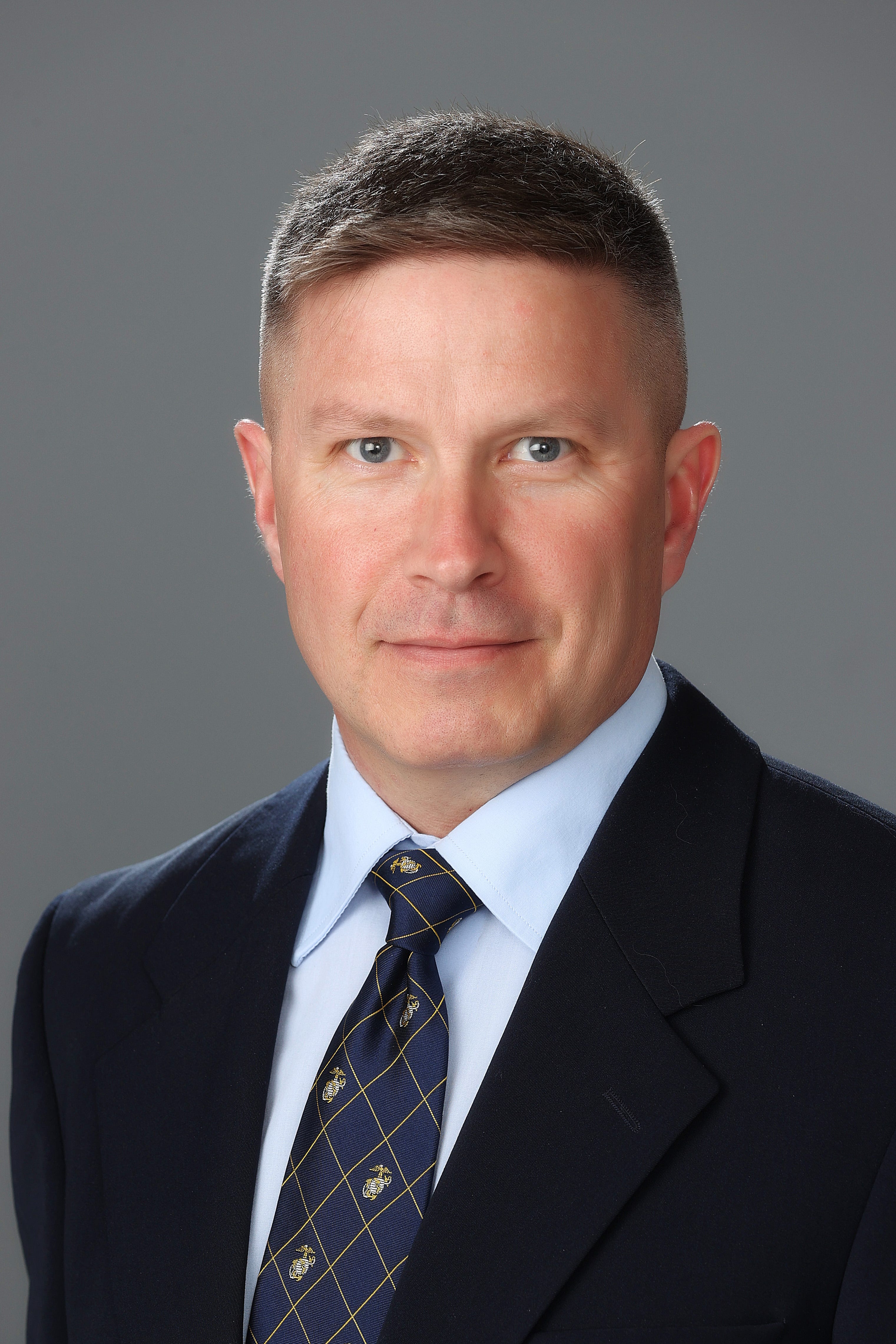
Trygve Hammer is a Navy and Marine Corps veteran, a former public school teacher, and a freight rail conductor. He was appointed to the Naval Academy from the fleet and served as a Marine helicopter pilot, forward air controller, and infantry officer.
 |
From bunking down in oilfield camps to engaging uninterested teenagers in the classroom, Trygve’s career has been a tour of duty in the trenches of American life. Trygve’s commitment to public service is unwavering. He lives by the ethos “Officers Eat Last” and is ready to serve as North Dakota’s next Congressman, putting the people's needs first.
Watch Trygve’s campaign launch video here.
| ||||||||||