|

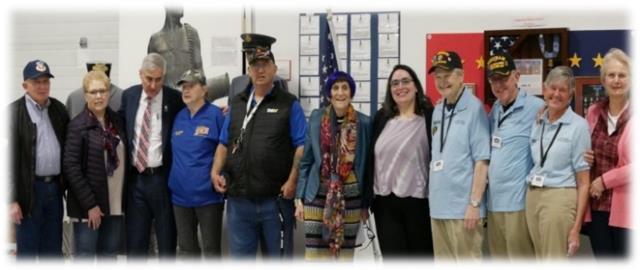
As the daughter of a veteran, I have the deepest respect for the members of our armed services and veterans who have served our country. Connecticut has over 170,000 veterans. We have a moral responsibility to do right by those who volunteered to put themselves in harm’s way to protect our freedom. It is our duty to care for them and their families when they return home and ensure that they have access to the medical care they need, affordable education and housing, and opportunities for good, well-paying jobs.
I am committed to helping ensure veterans and active service members and their families receive the benefits and services they have earned. Below are just some of the benefits, programs, and general information that may impact you or your loved ones. If you have any questions, please contact my New Haven office at (203) 562-3718 – we are here to help.
Securing Crucial Funding for Veteran Medical Services & Benefits
As Chair of the Appropriations Committee last Congress, I fought to provide:
- $118.7 billion for veterans’ medical care in 2023, an increase of $21.7 billion.
- $13.9 billion for veterans’ mental health care in 2023, including $498 million for suicide prevention outreach. This supports the nearly two million veterans who receive mental health services through the Veterans Health Administration.
As the top Democrat on the Appropriations Committee this Congress, I continued to fight for crucial funding for veterans despite attempts by the Republican majority to cut crucial programs. This year I secured:
- $16.4 billion for veterans’ mental health care in 2025, which is an increase of $137 million.
- $3.2 billion for homeless assistance programs in 2025, which is $97 million above last year’s funding.
- $264 million for substance use disorder programs in 2025, which is $33 million more than last year’s funding.
- $4 billion for operating expenses of the Veterans Benefits Administration in 2025, which is an increase of $136 million.
Our veterans, service members, and their families have made immense sacrifices to protect and serve our nation. It is our duty to guarantee them the benefits they are entitled to. As you may know, under current law, veterans are entitled to retirement pay as well as compensation from the Department of Veterans Affairs (VA) if they were injured in service.
To qualify for both payments without any offsets, a veteran must have:
- at least 20 years of service and
- a disability rating of at least 50 percent.
Concerningly, this leaves out an important number of our veterans, namely those who served our country honorably and suffered a combat or combat-related injury that forced a medical retirement before they served 20 years. It is a disgrace that these veterans – who have served our country - and suffered a medical disability as a result – are required to offset the disability payments from the VA with their retirement pay. I remain a proud supporter of the Major Richard Star Act which would change eligibility requirements to no longer require veterans who are medically retired with less than 20 years of service due to combat or combat-related training injuries to offset their disability and retirement payments.
The PACT Act
The PACT Act is a monumental step forward for veterans' healthcare. This landmark law provides benefits and opportunities to U.S. military veterans that were previously unavailable or difficult to obtain. Veterans suffering from exposure to burn pits and other toxic chemicals, including those who served from the 1960s to the present, are now eligible for greater healthcare and screenings.
Key changes include:
- The addition of new presumptive conditions for burn pits, Agent Orange, and other toxic exposures;
- Healthcare sites will now include toxic exposure screenings and treatment; and
- A mandatory toxic exposure screening for every veteran enrolled in VA healthcare.
- Veterans who have a condition caused by toxic exposure do not have to prove the exposure was related to their service.
The PACT Act has:
- Made nearly 3.5 million veterans eligible for additional care and benefits;
- Delivered more than $150 billion in benefits to veterans;
- Led to more than 5 million veterans receiving toxic exposure screenings;
- Created an increase in VA healthcare enrollment; and
- Grants benefits at higher rates.
If you are eligible for benefits from the PACT Act, there is no deadline to file a PACT Act claim. I encourage you to learn more and file a claim at http://VA.gov/PACT.
The PACT Act ensures that veterans suffering from certain “presumptive conditions” now have access to key health benefits. This bipartisan effort emphasizes the shared understanding of our veterans’ sacrifices and their dedication to serving our nation. I am confident that this is another step in the right direction for providing our veterans with the care and attention they have earned.
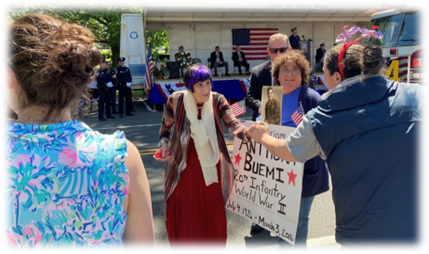
Helping Women Veterans
According to the Department of Labor, there are nearly 2 million women veterans in the United States, making them approximately 10% of the overall veteran population. With this in mind, we must ensure that they have special services to care for their needs – from primary care to specialized care for chronic conditions or reproductive health.
In 2016, I was proud to celebrate the opening of the first women’s health center at the VA’s West Haven campus. Given that women are the fastest growing group in the veteran population, this $1.19 million investment has helped meet the needs of this demographic.
Today, the VA women’s health center offers:
- Disease screening, mental health treatment;
- Recovery from military sexual trauma;
- Maternity care; and
- Female-specific medical equipment.
There are also programs for specific groups of women, including women who are:
- Experiencing homelessness;
- Victims of intimate partner violence; and
- Seeking education and training, employment help, and/or vocational rehabilitation.
These expanded and enhanced services in West Haven allow female veterans to receive the best health care our nation offers. To learn more about the services offered at this center, click here.
Service and Assistance Dogs
This month I celebrate National Assistance Dog Day to spread awareness on how dogs can improve the lives of those living with diseases, conditions, and illnesses that limit mobility.
I have proudly supported service dogs to help wounded veterans and have long known the benefits of service dogs who help individuals with physical disabilities. I am thrilled to see the transformative effects specially trained dogs can have on our nation’s veterans.

Though the VA does not yet fund service and assistance dogs, they do offer veterinary benefits to veterans diagnosed as having visual, hearing, or substantial mobility impairments, and/or whose care will be enhanced through a guide or service dog.
The Veterans History Project
I also want to bring awareness to the Veterans History Project (VHP), which, for over 20 years, has been dedicated to recording and sharing first-hand narratives of our nation’s veterans. This outlet is incredibly important, both for veterans who have important stories to share as well as for current and future generations who learn from them. Connecticut’s own veterans and Gold Star Family members can share meaningful lessons through video, audio, or text-based recording.
You can participate by:
- Sharing your story or that of a loved one in a video or audio piece at least 30-minutes in length. These can be enhanced with historical materials from your time in service.
- Volunteering to interview a veteran or Gold Star Family.
- Collecting or donating a veteran’s historical documents.
To hear more about how to contribute to this historic project, please click here where I further explain the background and history of the VHP.
Further Assistance
Should you need additional information or assistance, please do not hesitate to contact my District Office at (203) 562-3718. My staff and I are committed to doing all we can to help you. From answering a question about eligibility to advocating to a federal agency on your behalf, we are dedicated to working with you in resolving your issue.
Sincerely,

Member of Congress
Follow me on social media!
|