|
 |


By John King, IEA Director of External Affairs
As an intern at the IEA over a decade ago, I developed a deep fondness for the place. Of course, a fondness for the ideas we cultivate and espouse but also a fondness for the culture, a mission led family, a fantastic group of bright individuals who really want to change something. Some 12 years later, I can’t say much has changed on that front. The vibrancy of that family remains.
Much has changed on how we deliver our work though. There have been leaps forward in the Education team’s approach, for example, especially around value delivery to the young people we engage. The International team’s work means we are a truly global think tank and unique in this country for the sheer breadth and scope of that work. Many would argue we communicate via YouTube, Substack and social media even more effectively than in the traditional press, allowing our world class research to reach many more receptive minds.
Although some years have passed since my time at the IEA, the ideas I learnt here have stayed with me, the want to change things has stayed with me. Overall, the decision to come back was based on a want to give back, to take skills honed in other places and bring them to bear effectively here. Many of us have worked at a think tank, campaign organisation or have been closely aligned to the same in our youth but so many see that time as a moment in their lives, albeit a fond one. I charge anyone who has worked in the furnace of ideas to consider giving some of their time back to the places that helped shape their young mind. Of course, not everyone can make a career move but most can volunteer some time and offer their talent for the betterment of places like the IEA. Some of us have jobs that are far too onerous to give time — I know I did — but where we can’t give time we can give financially, to help the next generation of minds and to help steer our country to a better place.
Similarly, we can assess where there may be scope for the companies we work at in the private sector to support the work of the free market movement by donating to forward research in areas of mutual interest.
A good first step for IEA alumni would be to attend our alumni gathering next week or just get in touch, we always welcome old friends.
P.S. The best way to support our vital research and educational programmes is to become a paid IEA Insider. For a limited time, new paid subscribers will receive a copy of Steve Davies’ new book Apocalypse Next: The Economics of Global Catastrophic Risks) and a 15% discount.
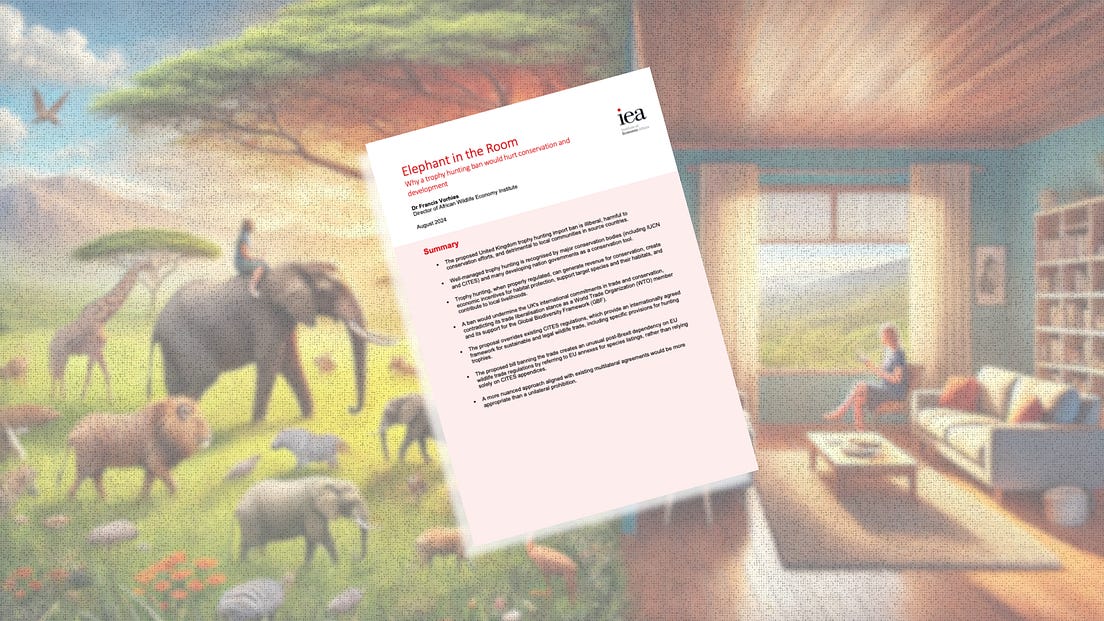 |
Elephant in the Room: Why a trophy hunting ban would hurt conservation and development
African leaders, including the President of Botswana, have argued that the proposal is colonialist.
By conservation economist Dr Francis Vorhies
Trophy hunting generates revenue for African conservation, supporting habitat protection and wildlife management.
A unilateral import ban would undermine economic development in Africa, conservation efforts, and the UK’s international agreements, which regulate a sustainable wildlife trade for African countries.
African leaders backing the paper compare the ban to colonialism: Dr Shylock Muyengwa says “Colonialism is over – yet British politicians still forget to respect the will of African communities.” Dr Mike Musgrave says, “It’s the last gasp of an entitled elite who thinks African wildlife conservation still falls under the jurisdiction of the Colonial Office.”
Broadcaster and scientist Professor Adam Hart says the proposal is “poorly thought through from a conservation perspective, and has been branded ‘neocolonial’ and ‘racist’ by heads of state and community groups in Southern Africa.”
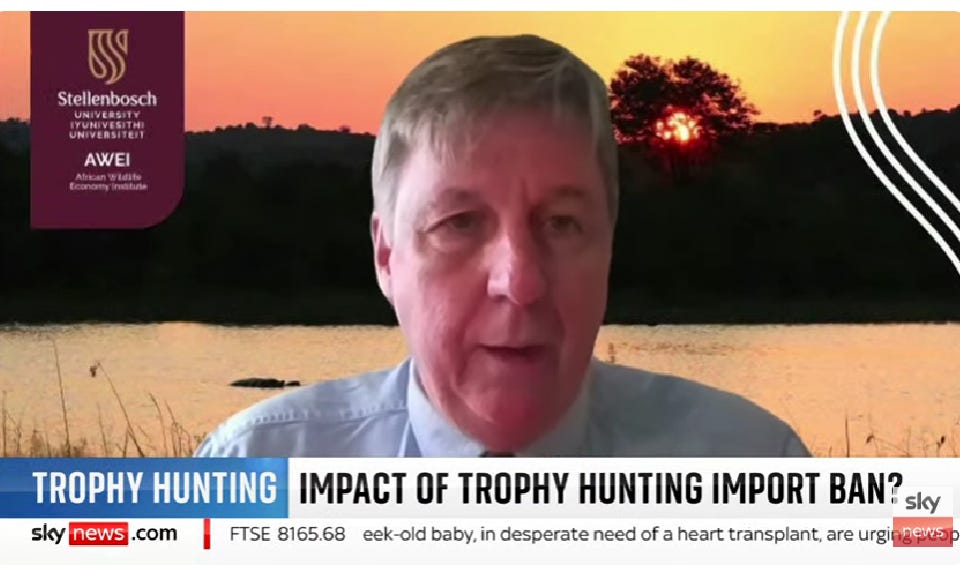
The ‘illiberal’ and ‘counterproductive’ impact of trophy bans, Elephant in the Room author Dr Francis Vorhies appears on Sky News
Trophy hunting ban is confused, Francis Vorhies writes for The Spectator
Pledge to ban import of hunting trophies is ‘colonial’, Elephant in the Room featured in The Daily Telegraph, The i (print), The Daily Mail, The Herald (print), The Yorkshire Post (print), and The Shropshire Star.
Why Banning Trophy Hunting Could Devastate African Wildlife, Francis Vorhies explains his new research on IEA YouTube
News, Views & Upcoming Events
Labour’s ‘hard decisions’ are about to get a whole lot harder, Director of Public Policy & Communications Matthew Lesh, The Daily Telegraph and The Daily Express
 |
Riots, Rates, and Market Fears: Are UK Riots a Wake-Up Call? | IEA Podcast, Executive Director Tom Clougherty, Matthew Lesh, and Economics Fellow Andrew Lilico, IEA YouTube
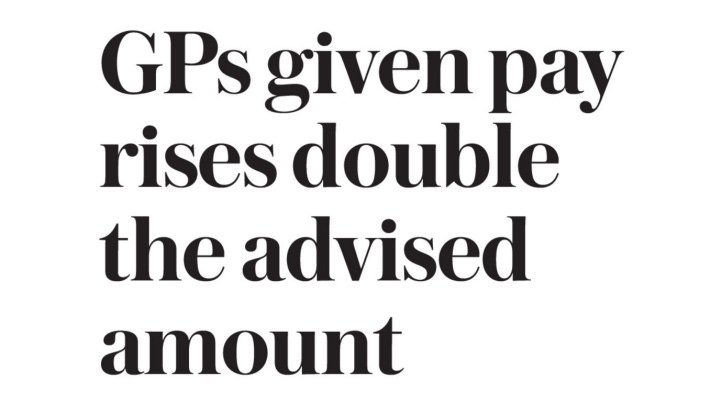
GPs handed pay rises nearly double the recommended amount, Editorial & Research Fellow Len Shackleton, The Daily Telegraph
 |
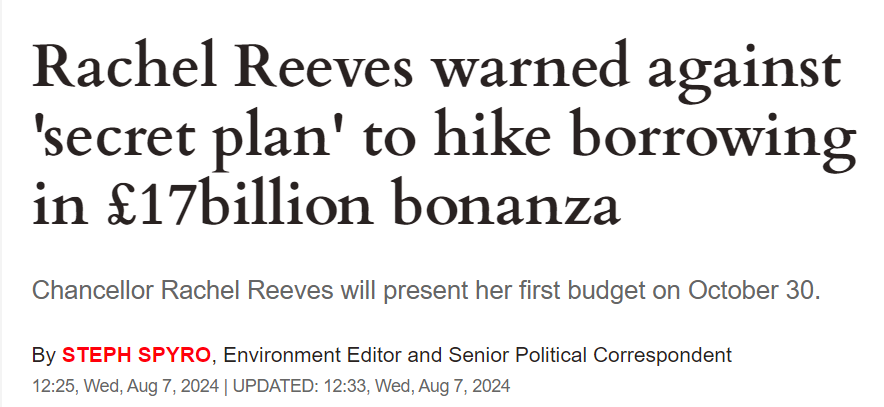
Rachel Reeves warned against 'secret plan' to hike borrowing in £17billion bonanza, Economics Fellow Julian Jessop, The Daily Express
 |
You’re currently a free subscriber to Insider. For the full experience, upgrade your subscription.
Paid subscribers support the IEA's charitable mission and receive special invites to exclusive events, including the thought-provoking IEA Book Club.
We are offering all new subscribers a special offer. For a limited time only, you will receive 15% off and a complimentary copy of Dr Stephen Davies’ latest book, Apocalypse Next: The Economics of Global Catastrophic Risks.
| ||||||||||