Boiling point ‌ ‌ ‌ ‌ ‌ ‌ ‌ ‌ ‌ ‌ ‌ ‌ ‌ ‌ ‌ ‌ ‌ ‌ ‌ ‌ ‌ ‌ ‌ ‌ ‌ ‌ ‌ ‌ ‌ ‌ ‌ ‌ ‌ ‌ ‌ ‌ ‌ ‌ ‌ ‌ ‌ ‌ ‌ ‌ ‌ ‌ ‌ ‌ ‌ ‌ ‌ ‌ ‌ ‌ ‌ ‌ ‌ ‌ ‌ ‌ ‌ ‌ ‌ ‌ ‌ ‌ ‌ ‌ ‌ ‌ ‌ ‌ ‌ ‌ ‌ ‌ ‌ ‌ ‌ ‌ ‌ ‌ ‌ ‌ ‌ ‌ ‌ ‌ ‌ ‌ ‌ ‌ ‌ ‌ ‌ ‌ ‌ ‌ ‌ ‌ ‌ ‌ ‌ ‌ ‌ ‌ ‌ ‌ ‌ ‌ ‌ ‌ ‌ ‌ ‌ ‌ ‌ ‌ ‌ ‌ ‌ ‌ ‌ ‌ ‌ ‌ ‌ ‌ ‌ ‌ ‌ ‌ ‌ ‌ ‌ ‌ ‌ ‌ ‌ ‌ ‌ ‌ ‌ ‌ ‌ ‌ ‌ ‌ ‌ ‌ ‌ ‌ ‌ ‌ ‌ ‌ ‌ ‌ ‌ ‌ ‌ ‌ ‌ ‌ ‌ ‌ ‌ ‌ ‌ ‌ ‌ ‌ ‌ ‌ ‌ ‌ ‌ ‌ ‌ ‌ ‌ ‌ ‌ ‌ ‌ ‌ ‌ ‌ ‌ ‌ ‌ ‌ ‌ ‌ ‌ ‌ ‌ ‌ ‌ ‌ ‌ ‌ ‌ ‌ ‌ ‌ ‌ ‌ ‌ ‌ ‌ ‌ ‌ ‌ ‌ ‌ ‌ ‌ ‌ ‌ ‌ ‌ ‌ ‌ ‌ ‌ ‌ ‌ ‌ ‌ ‌ ‌ ‌ ‌ ‌ ‌ ‌ ‌ ‌ ‌ ‌ ‌ ‌ ‌ ‌ ‌ ‌ ‌ ‌ ‌
View Online | Subscribe now
Powered byThomson Reuters Foundation logo
Context logo

Know better. Do better.

climate

Climate. Change.

News from the ground, in a warming world

Photo of Carey L. Biron

Deadly conditions

The sweltering heatwave sweeping the United States is making it extremely difficult for people to work.

For those plying their trade out in the fields, though, it could be deadly.

As our correspondent Carey L. Biron reports this week, record heat is driving farmworkers to take matters into their own hands.

"We've already seen far too many people become ill and even lose their lives," said Lupe Gonzalo from the non-profit Coalition of Immokalee Workers (CIW), who works with farmworkers across several southern states.

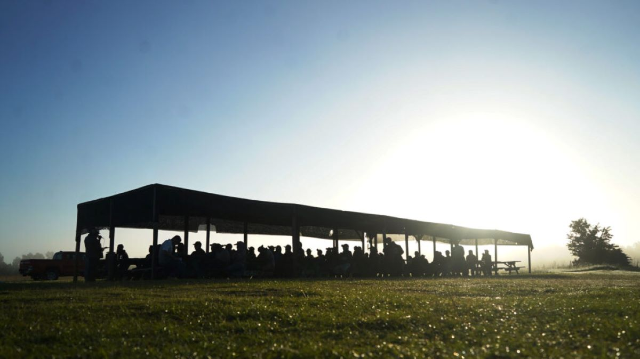
Workers carry out peer education on heat stress protections at a farm in the U.S. state of Georgia in December 2022. Fair Food Program/Handout via Thomson Reuters Foundation.

Workers carry out peer education on heat stress protections at a farm in the U.S. state of Georgia in December 2022. Fair Food Program/Handout via Thomson Reuters Foundation.

Frustrated by the lack of government regulations, with efforts to introduce them held up by political wrangling, Gonzalo and her colleagues set up the Fair Food Program.

The idea is to go directly to consumers and big brands. In return for certification, the companies pledge fair wages, to eliminate sexual harassment, and act on other issues, including protecting workers from the heat.

Providing shade, regular breaks, staff training, electrolyte-infused water, and the ability to seek care are all part of the bargain.

The programme covers tens of thousands of workers in 10 states, thanks to agreements with companies such as Walmart, McDonald's and Subway. The Fair Food Program also works in Chile and South Africa, and is aiming to expand further across the United States and abroad.

Workers carry out peer education on heat stress protections at a farm in the U.S. state of Georgia in December 2022. Fair Food Program/Handout via Thomson Reuters Foundation.

Workers carry out peer education on heat stress protections at a farm in the U.S. state of Georgia in December 2022. Fair Food Program/Handout via Thomson Reuters Foundation.

Dragging their feet

So why are workers having to create these standards themselves?

Juanita Constible from the Natural Resources Defense Council says the U.S. government has dragged its feet on heat protection for decades – with its rules dating back to the 1970s.

About 51 million U.S. workers are at high risk to heat, with less than a fifth of those covered by standards, the think tank found.

Finally, last week a proposal was released that would offer heat protection for indoor and outdoor workers like shading and air conditioning.

However, it could take years for new rules to be agreed, especially after recent moves by the Supreme Court.

Farming and construction lobby groups, meanwhile, have criticised early steps in the new process, warning of burdens to businesses.

Just five states have passed their own laws, with a sixth on the horizon, while cities have also taken steps. But such efforts have met fierce political resistance.

Tomato grower Jon Esformes, who has implemented Fair Food Program heat guidelines on his operations in the United States and Mexico, said these protections helped attract and retain workers at a time of labour shortages.

He said May saw the hottest temperatures ever recorded in parts of Florida, just as farms were in full harvest.

"There's definitely a cost associated with it. Electrolyte powder is not cheap; breaks aren't cheap," Esformes said. "But you know what also is not cheap? People getting sick and people feeling like they're not safe."

See you next week,

Jack

This week's top picks

US unions, environmentalists join forces to push for green jobs

Historically opponents on many issues, environmental and labour groups are coming together across the country

Adapt or die: Bangladesh joins the race to climate-proof cities

Bangladesh's congested capital Dhaka joins the ranks of South Asian cities drawing up plans to prepare for a hotter, wetter future

Indian heatwave exposes a cooling challenge for fresh food

India's heatwave hits small vendors hardest as they cannot keep produce fresh and customers stay off the streets

 
Read all of our coverage here

Discover more

Thank you for reading!

If you like this newsletter, please forward to a friend or share it on Social Media.

We value your feedback - let us know what you think.