|
Happy Shark Week
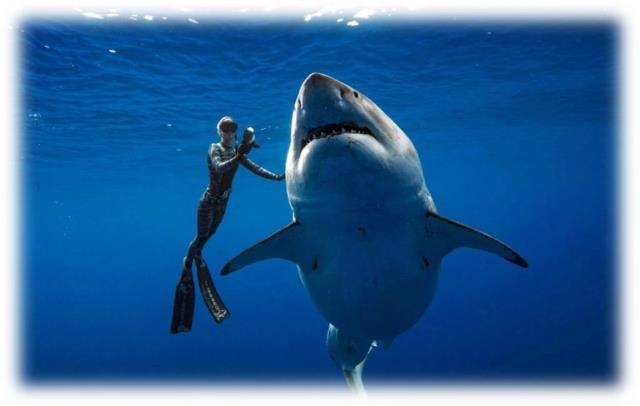
As you may know, every July, a TV event known as Shark Week focuses on sharks and their environments. Entertainment purposes aside, the most important aspect of Shark Week is the attention it brings to the conservation work of marine biologists and other scientists.
Global Warming
Sharks, along with all other forms of marine life, are struggling to survive in our oceans. According to the World Wildlife Fund, 25% of sharks inhabiting coastal continental shelves are endangered. The consequences of climate change and global warming extend beyond our atmosphere – there are also grave effects on our oceans.
Increasing atmospheric levels of carbon dioxide (CO2) have resulted in a warmer atmosphere, and consequently, warmer oceans. One quarter of all CO2 pollution caused by humans is absorbed by the ocean. Marine life requires a delicate pH balance to survive. Warming oceans leads to ocean acidification, a process which alters pH and makes an unsuitable environment for wildlife.
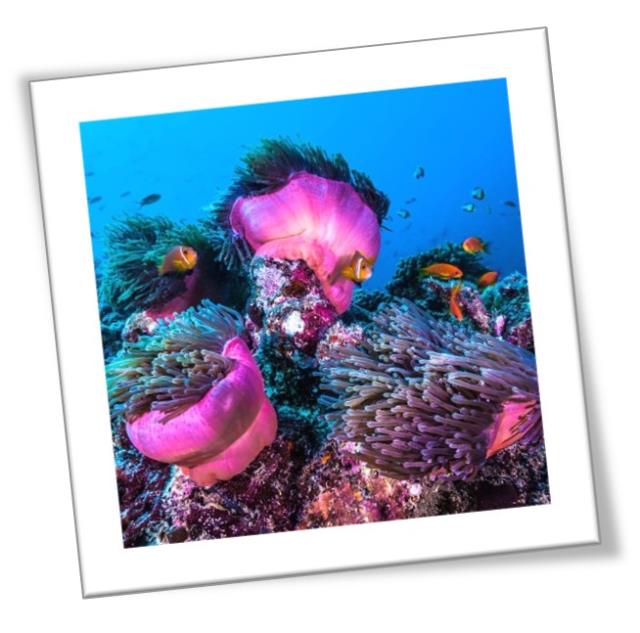
Our deep ocean and seabed are home to extremely intricate and fragile ecosystems. Over half of all known coral species are found in the deep sea, and as many as ten million marine species may inhabit it, resulting in biodiversity that is found nowhere else on the planet. Additionally, the deep ocean is one of Earth’s largest stores of carbon, giving it a critical role in our fight against climate change.
Protecting Marine Life
Throughout my time in Congress, I have always been a strong supporter of protecting our nation’s oceans and marine life. I am a proud cosponsor of...
The Shark Fin Sales Elimination Act, which passed the House and Senate last Congress.
- This act prohibits the possession, purchase or sale of shark fins within the United States. This practice has become destructive to the shark population as well as their surrounding ocean ecosystems.
- This bill aims to promote environmental conservation by taking sharks off commercial markets.
- The Shark Fin Sales Elimination Act was included as part of H.R. 4521, the America COMPETES Act, which I cosponsored. It passed the House 222 – 210 on February 2, 2022.
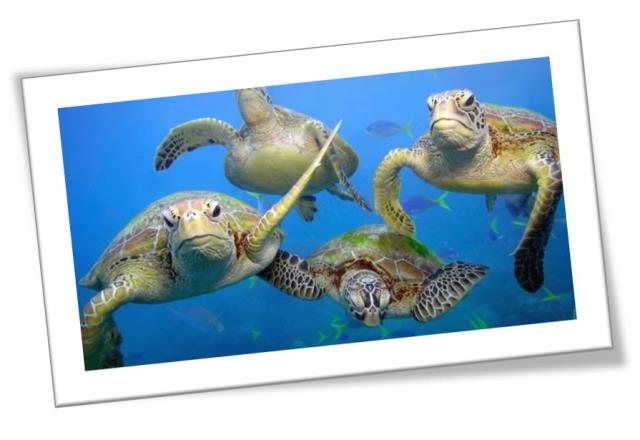
While the ocean may seem like a distant concern for some, it is our largest natural resource. Oceans provide us with food, trade routes, energy sources, infrastructure, and much more – not to mention the sheer joy of a day at the beach! According to the United Nations, 40% of the global population – roughly 2.85 billion people – live within 100 kilometers of the coast. Protecting ocean health is protecting America.
A More Sustainable Future
I also recognize that in order to stop ocean warming, we must confront our harmful human practices that contribute to climate change. As the Chair of the Appropriations Committee last Congress, I made supporting conservation efforts and combatting climate change a top priority across the federal government.
The 2023 funding law provided...
- $14.7 billion for the Department of the Interior, a $574 million increase above the 2022 funding level.
- This includes full funding for the Land and Water Conservation Fund at $900 million to protect land in our national parks, national wildlife refuges, national forests, national trails, and other public lands.
- A record high $46.5 billion for the Department of Energy, including $3.5 billion for the Office of Energy Efficiency and Renewable Energy to provide for clean, affordable, and secure energy to ensure American leadership in the transition to a global clean energy economy.
- More than $15.3 billion of investments in clean energy and science.

I will always stand for protecting our nation’s endangered species and their habitats, and I assure you that I will continue to fight to address climate change and protect the environment. I believe it is more important than ever to invest in programs that help to protect our world's oceans and the most vulnerable species within them.
Sincerely,

Member of Congress
Follow me on social media!
|