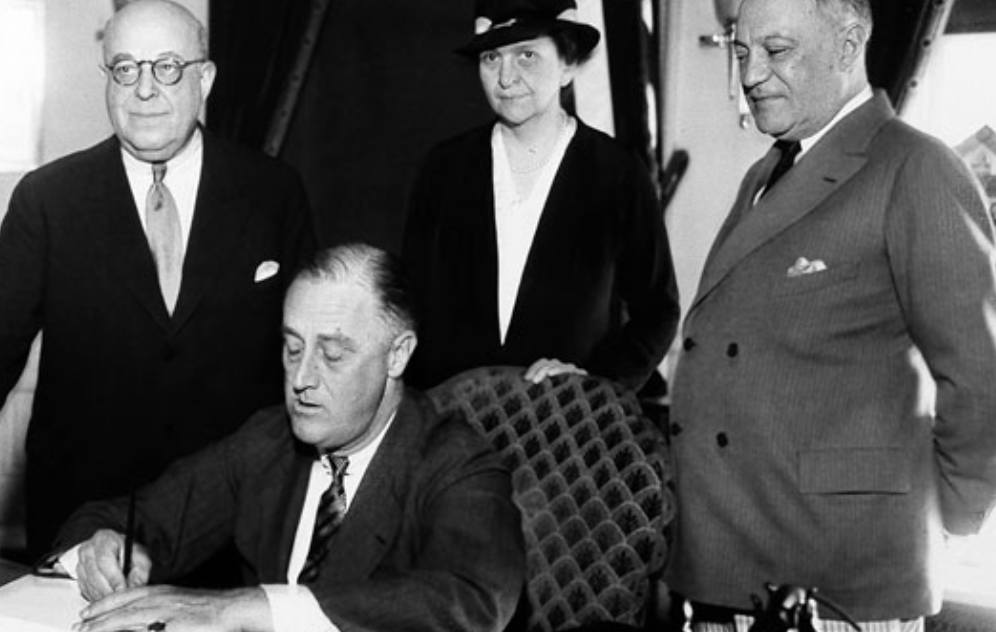
On this day in history, July 5th, 1935, President Franklin D. Roosevelt signed the National Labor Relations Act into law, marking a pivotal moment in American labor history. This groundbreaking legislation, also known as the Wagner Act, empowered workers by guaranteeing their right to organize and engage in collective bargaining through representatives of their own choosing. The act aimed to address the power imbalance between employers and employees, fostering fair labor practices and promoting industrial peace. By recognizing and protecting the rights of workers to unionize, the National Labor Relations Act not only laid the foundation for modern labor relations in the United States but also set a precedent for worker rights and social justice, echoing its impact through the decades that followed. Roosevelt’s bold move signaled a new era of empowerment and equity for American workers, reshaping the landscape of labor relations forever.