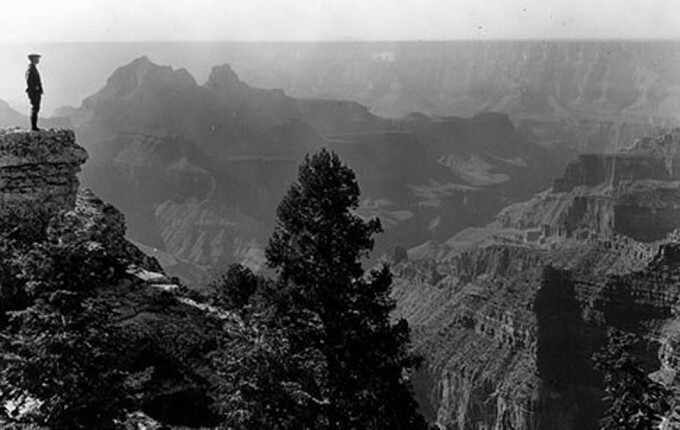
On this day in history, February 26th, 1919, a remarkable transformation occurred that would preserve one of nature's most awe-inspiring creations for generations to come. In Arizona, the Grand Canyon, a colossal chasm carved by the Colorado River over millions of years, was officially designated as a National Park through an act of the U.S. Congress. This significant milestone not only recognized the Grand Canyon's immense scientific importance and breathtaking beauty but also ensured its protection against the encroachments of industrial development.
?
The journey to this historic designation was fueled by the efforts of conservationists, who passionately argued for the preservation of the canyon's unparalleled landscapes. Their advocacy highlighted the need for a balanced approach to preserving natural wonders for public enjoyment while safeguarding them from exploitation. The establishment of the Grand Canyon National Park marked a pivotal moment in the American conservation movement, embodying a growing national ethos towards the protection of its most precious natural assets. Today, the Grand Canyon stands not just as a symbol of natural beauty and geological significance, but as a testament to the enduring value of national parks in preserving the planet's remarkable heritage.