CEO Picks - The best that international journalism has to offer!
 S46S15 S46S15When Analytics Should Drive Sales Decisions -- and When They Shouldn't   As AI proliferates, companies are using it to offer data-driven recommendations on a wide range of activities, from whom to hire to what product a salesperson should recommend to customers. How much to rely on these data-driven recommendations should hinge on two questions: How high are the decision stakes? And how reliable is the data-driven insight?
Continued here
|
| ? |
 |
S52Google might already be replacing some Ad sales jobs with AI  Google is wrapping its head around the idea of being a generative AI company. The "code red" called in response to ChatGPT has had Googlers scrambling to come up with AI features and ideas. Once all the dust settles on that work, Google might turn inward and try to "optimize" the company with some of its new AI capabilities. With artificial intelligence being the hot new thing, how much of Google's, uh, natural intelligence needs to be there?
Continued here
|
S32Sniffing Women's Tears Makes Men Less Aggressive 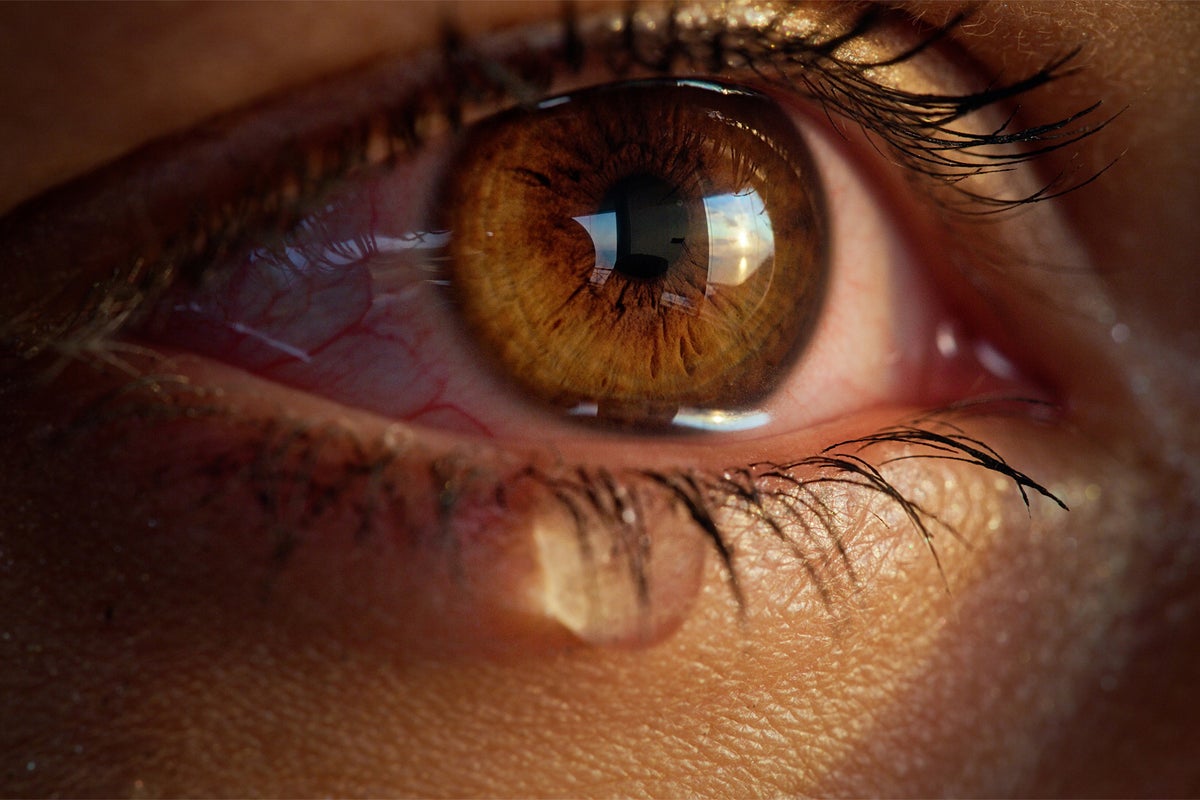 For the first time, researchers have used behavioral measures, brain imaging and molecular biology to test how odorless chemicals from human tears affect peopleWhen someone starts to cry, other people oftentimes feel empathy and concern. But the biological reasons for shedding tears can extend beyond merely prompting a sense of compassion. The tears themselves appear to take on a role as a chemical peacemaker between men and women, new research has discovered.
Continued here
|
| ? |
|
S31Antarctic Octopus Holds Secrets of Prehistoric Ice Loss in Its Genome 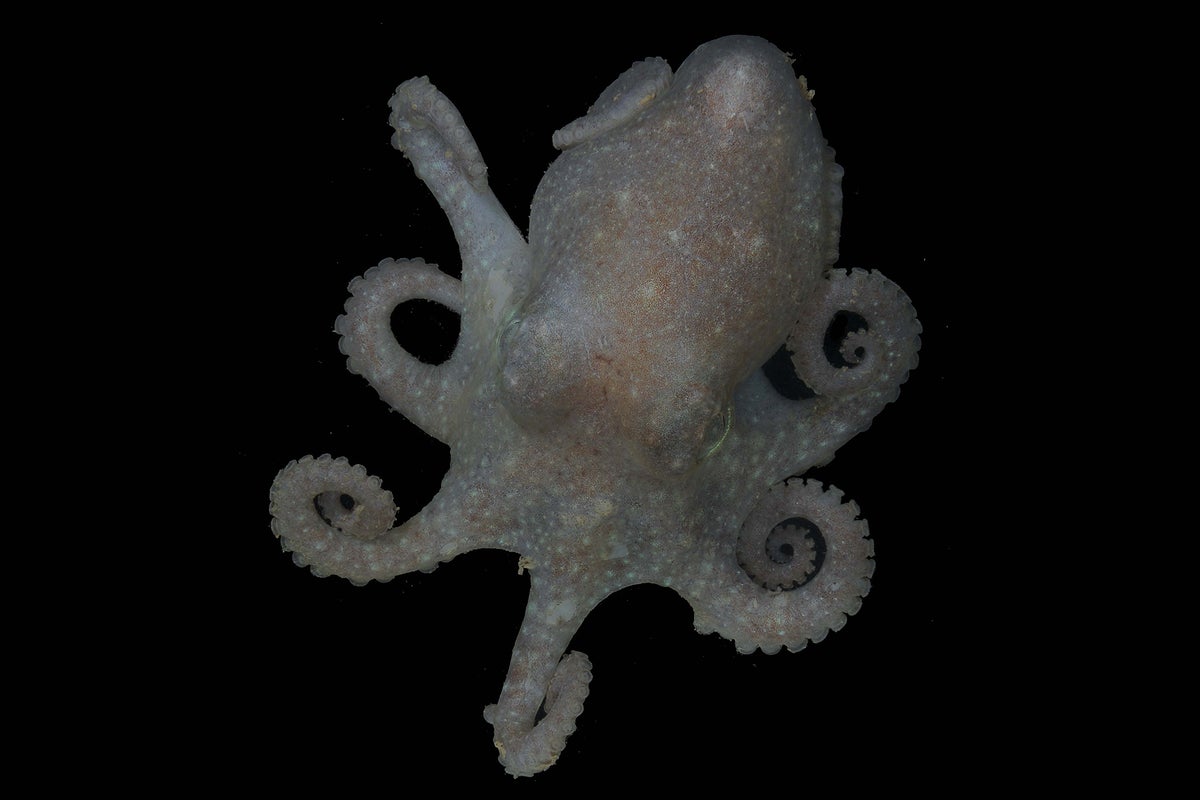 As the climate crisis continues, sooner or later the massive West Antarctic Ice Sheet will collapse. An unassuming octopus just gave scientists an important clue about how quickly that might happenScientists who are trying to understand Antarctica’s past face a daunting challenge. Ice doesn’t fossilize, so there’s no direct evidence showing how far the southernmost continent’s glaciers stretched in the distant past. That’s a problem because it makes predicting Antarctica’s future in an ever warming world more difficult.
Continued here
|
S26
| ? |
|
|
| ? |
|
|
|
S34We Have Some Things to Recommend to You  It’s been a year, that’s for sure. Every week on Gadget Lab, we end the show by bringing you our recommendations for all of our favorite tech, books, TV shows, and life hacks. Now, at the end of the year, we’re going all-in on that idea with an entire episode dedicated to those recommendations. We talk about all the things that helped us get through 2023 and have us looking forward to 2024.This week on Gadget Lab, we make the mistake of letting our producer, Boone Ashworth, grab a mic again. He joins Lauren and Michael to talk about the best gadgets, lifestyle changes, shows, and culinary curiosities of 2023.
Continued here
|
S59Twitter's Demise Is About So Much More Than Elon Musk  It’s really, really hard to kill a large, beloved social network. But Elon Musk has seemingly been giving it his absolute best shot: Over the past year, Twitter has gotten a new name (X), laid off much of its staff, struggled with outages, brought back banned accounts belonging to Alex Jones and Donald Trump, and lost billions in advertising revenue.Opportunistic competitors have launched their own Twitter clones, such as Bluesky, Mastodon, and Threads. The hope is to capture fleeing users who want “microblogging”—places where people can shoot off little text posts about what they ate for lunch, their random thoughts about politics or pop culture, or perhaps a few words or sentences of harassment. Threads, Meta’s entry, which launched in July, seems the most promising, at least in terms of pure scale. Over the summer, it broke the record for fastest app to reach 100 million monthly active users—beating a milestone set by ChatGPT just months earlier—in part because Instagram users were pushed toward it. (Turns out, it’s pretty helpful to launch a new social network on the back of the defining social-media empire of our time.)
Continued here
|
S60Read This Before You Buy That Sweater 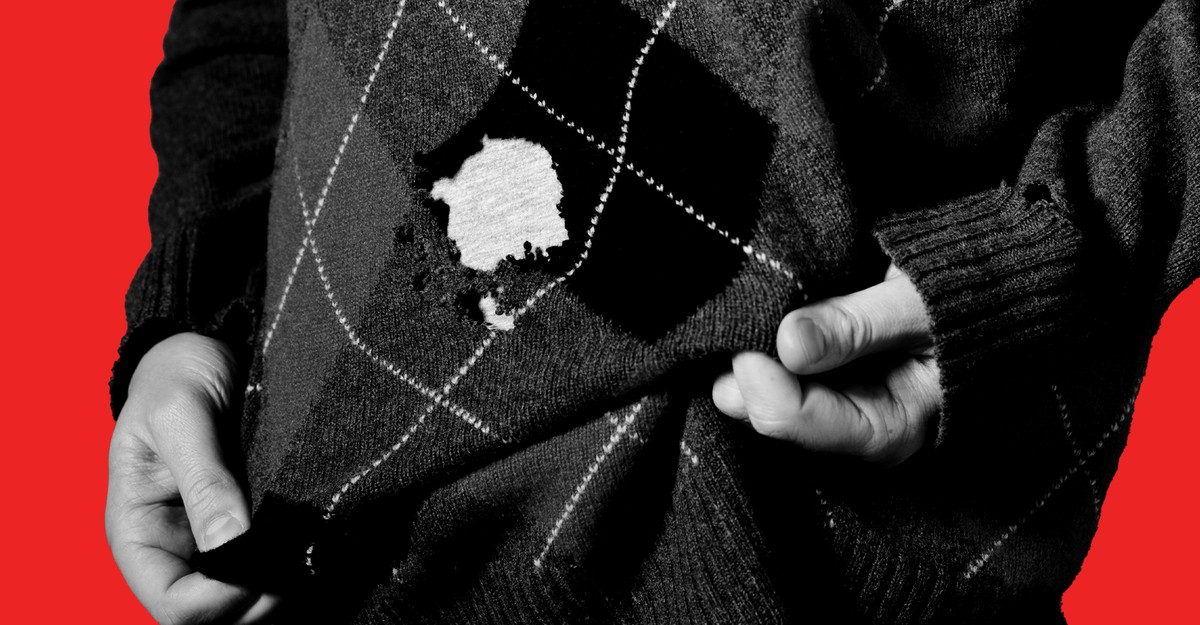 We’re in the coldest season. We’re in the shopping season. We’re in the season of hygge. All the cues point to buying yourself a new cozy sweater. Don’t do it, until you hear what Atlantic staff writer Amanda Mull has to say about the cratering quality of knitwear. For years I’ve wondered why my sweaters pilled so quickly, or why they suffocated me, or smelled like tires. And then I read Mull’s recent story titled “Your Sweaters Are Garbage.” It turns out that international trade agreements, greedy entrepreneurs, and my own lack of willpower have conspired to erode my satisfaction.In this episode of Radio Atlantic, we talk to Mull, who writes about why so many consumer goods have declined in quality over the last two decades. As always, Mull illuminates the stories the fashion world works hard to obscure: about the quality of fabrics, the nature of working conditions, and how to subvert a system that wants you to keep buying more. “I have but one human body,” she says. “I can only wear so many sweaters.”
Continued here
|
S25How Much Vitamin D Do You Need to Stay Healthy? 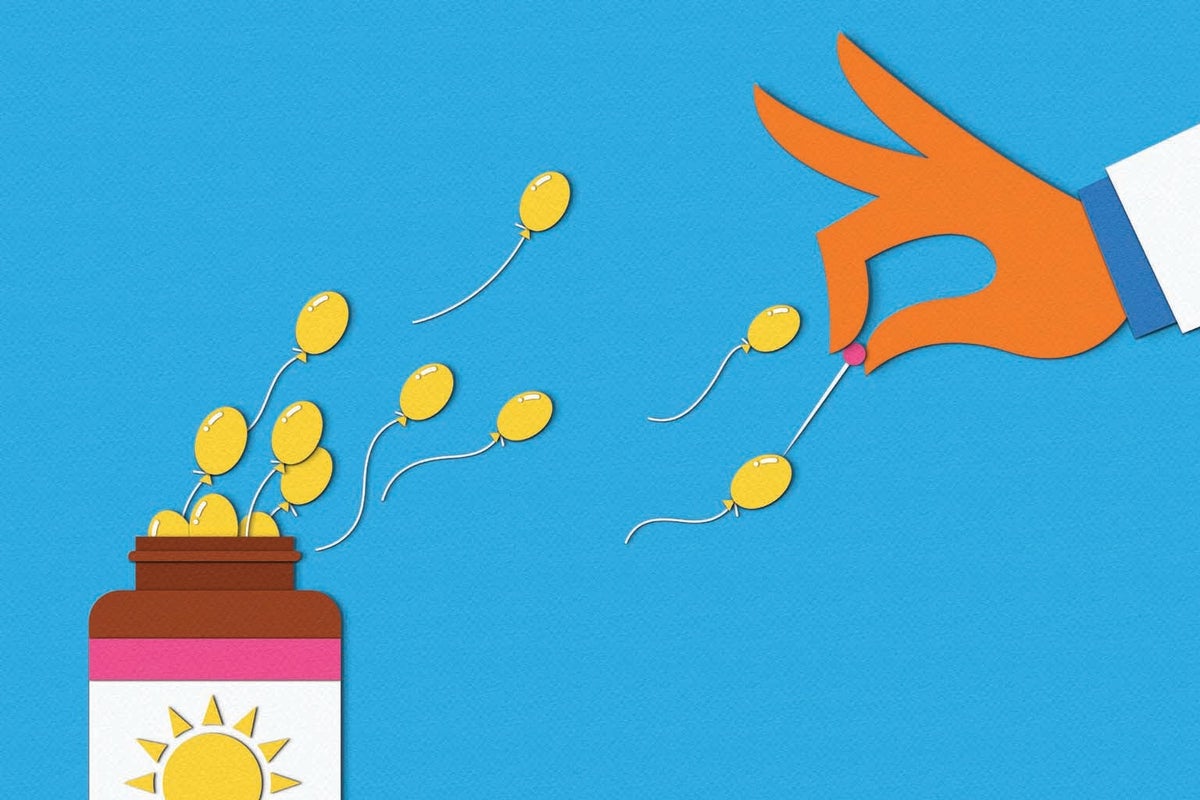 Most people naturally have good vitamin D levels. Overhyped claims that the compound helps to fight diseases from cancer to depression aren’t borne out by recent researchFor a while vitamin D was looking like a bona fide health elixir. It was recognized a century ago as the cure for rickets, a childhood disease that causes weak and deformed bones. Then, in the early 2000s, researchers began amassing a pile of studies suggesting that low vitamin D levels could be a factor in cancer, cardiovascular disease, dementia, depression, diabetes, autoimmune diseases, fractures, respiratory illnesses and Parkinson's disease. It seemed reasonable to think that raising our levels of this simple vitamin—one that our bodies make when lit up by sunshine and that we can get more of from supplements—could cure practically whatever ailed us.
Continued here
|
S40Unleash your potential: A blueprint for "career ownership"  At its core, career ownership is a resolute commitment to shaping your professional journey in alignment with your aspirations and values. It’s a departure from the traditional view of a career as a predetermined path and embracing your role as the artist holding the brush to your canvas. This shift involves cultivating self-awareness, understanding your strengths and passions, and aligning your professional choices with your authentic self. It’s the shift from being a passive spectator to an active creator of your career journey.So, why is “career ownership” not an oversold buzzword but the essence of a fulfilling and purpose-driven professional life? In an era where traditional career structures are evolving rapidly, jobs and skills are becoming redundant, and organizational loyalty is waning, those who seize ownership navigate change more effectively. They put themselves in a position to make optimal career decisions when they reach significant inflection points. It’s a transformative mindset that empowers you to go beyond external expectations and norms, promoting a deep sense of autonomy and fulfillment. When you own your career, work becomes more than a means to an end; it becomes a vehicle for personal growth, contribution, and sustained happiness.
Continued here
|
S437 great but notoriously hard-to-finish books  Certain books are better known for being hard-to-finish rather than widely read. While taking the time to sit down and work through a difficult book can be a big ask, the rewards for doing so are often great. Furthermore, the experience of absorbing great literature or learning from a heavy tome can be a prize in and of itself.Today, we’ll look at seven famously difficult books — and why you should read them, anyway.
Continued here
|
S44S38The 37 Best Shows on Hulu Right Now  While Netflix seemingly led the way for other streaming networks to create compelling original programming, Hulu actually beat them all to the punch. In 2011, a year before Netflix’s Lilyhammer and two years before the arrival of House of Cards, the burgeoning streamer premiered The Morning After, a pop-culture-focused news show that ran for 800 episodes over three years, plus A Day in the Life, a docuseries from Oscar-winner Morgan Spurlock.Hulu has continued to make TV history in the dozen years since, most notably in 2017, when it became the first streamer to win an Emmy Award for Outstanding Drama Series with The Handmaid’s Tale. In fact, that was just one of eight Emmys the series took home in its inaugural season, and it has continued to rack up nominations and wins over the years.
Continued here
|
S57Enjoy Your Awful Basketball Team, Virginia  I didn’t think rooting for the Washington Wizards could get any worse. Then they announced a move to the suburbs.Washington Wizards fans didn’t need a new reason to be miserable. As a Wizards diehard, I’m used to following their annual descent in the NBA standings. But I experienced a fresh sort of pain at the recent announcement that the team would be moving from its convenient downtown-D.C. home to a new, $2.2 billion “world-class Entertainment District” in the Virginia suburb of Alexandria. What’s so sad about my terrible team leaving the emptiest arena in the NBA for a gleaming palace across the Potomac? Sit down and let me explain—right here, in row G, seat 11, because I couldn’t find anyone else to go to the game with me.
Continued here
|
S55Zack Snyder, the Director People Love to Hate 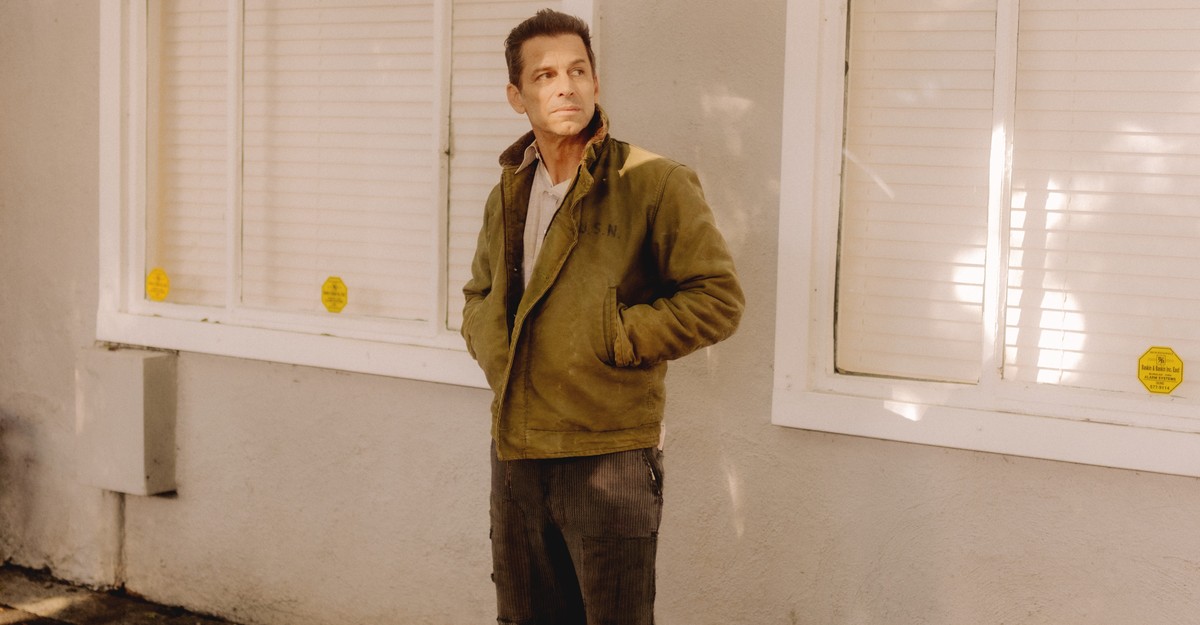 How did one of Hollywood’s most successful and influential filmmakers also become one of its most divisive?One July morning, at a cavernous soundstage on Sunset Boulevard, amplified sound effects boomed so loudly that the walls trembled. On a massive projection screen, futuristic vehicles zipped across alien skies; laser blasts reduced strange architecture to rubble; knives sliced through flesh; an authoritarian army celebrated an unknown triumph. An android with the majestic voice of Anthony Hopkins asked, “Who among you is willing to die for what you believe?”
Continued here
|
S21Iceland volcano: What it's like to live with the fires of Reykjanes  I can see the glow in the sky from my home in Reykjavík. Before it was quite a hassle to see an eruption – they happened hundreds of kilometres away – but right now in Iceland, it's inescapable. On my social media timeline, I see variations of the same view: a red glowing sky and a distant curtain of fire burning in the Reykjanes Peninsula.We feel safe in Reykjavík – most people feel more awe than fear – but a new volcanic phase has started in our backyard. The Reykjanes Peninsula volcanic system is waking up again, after almost 800 years of sleep. The last phase lasted about 400 years, from 800 to the late 1200s.
Continued here
|
S62S30Sorry, It's $15 to Drive into Midtown Manhattan 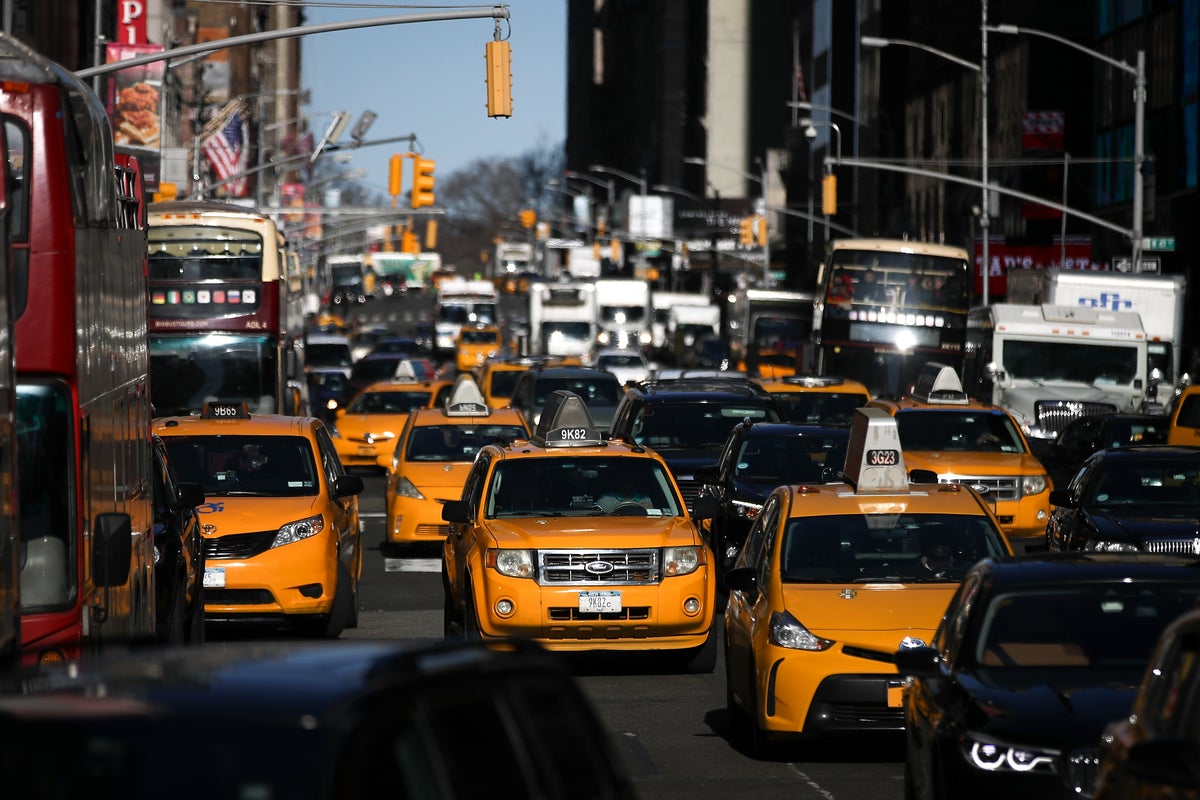 The first U.S. congestion pricing program, starting in New York City as soon as May, aims to slash emissions and trafficCLIMATEWIRE | WEST 58TH STREET, Manhattan — Nearly a million vehicles enter the southern half of Manhattan every day, pumping tons of carbon into the air while crawling at a jogger’s speed.
Continued here
|
S14Why Modular Building Hasn't Revolutionized Construction  The allure of building indoors in a controlled environment instead of in the mud, muck, and maelstrom of a conventional site has made prefabrication a strong candidate for the future of construction for architects, engineers, and construction futurists. But time and again, the revolutionary potential of the approach has failed to materialize. The barriers to industrial building — the decentralized nature of the industry and the limited number of employers in a position to make long-term investments, the complications of transportation, and the uncertainty about demand for the product — ensure that modular building will remain a stable but relatively small percentage of total construction spending.
Continued here
|
S28Two Private U.S. Moon Landers Prepare for Historic Launches 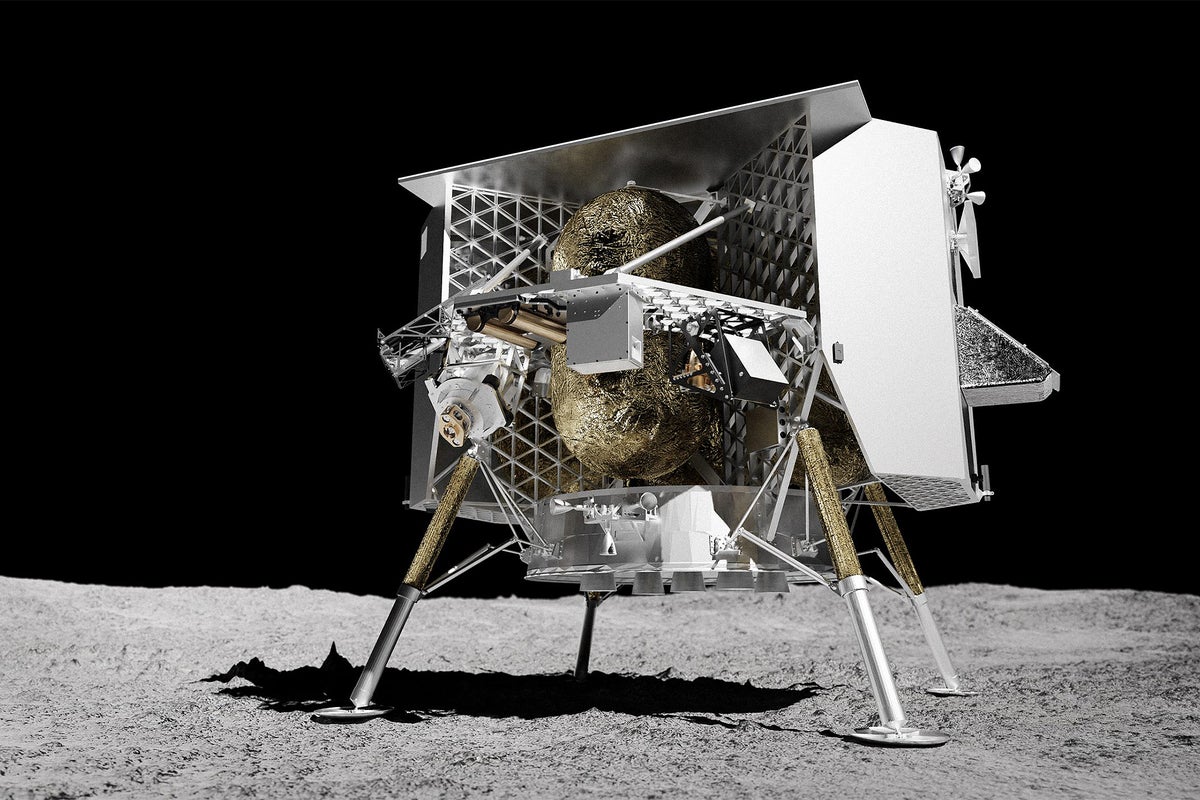 The first vehicles to fly under NASA’s new lunar delivery initiative will aim to be the first commercial spacecraft to land softly on another celestial bodyAn artist's impression of Astrobotic's Peregrine lunar lander on the surface of the moon. Set to launch on January 8 and to attempt a landing on February 23, Peregrine could become the first private mission to successfully touchdown on the moon.
Continued here
|
S33Why businesses need a dreamer's magic and a doer's realism  At work, the dreamers often get credit for the big ideas, but they can also sometimes seem untethered to reality to the doers, who are trying to ... get things done. It's when these two types of humans work in harmony that business magic happens, says culture strategist Beth Viner. She lays out a practical blueprint for harnessing the dreamer's out-of-the-box thinking and the doer's practicality, showing why it's the key to building, growing and innovating in any relationship or organization.
Continued here
|
S56A Seasonal Guide to Better Well-Being 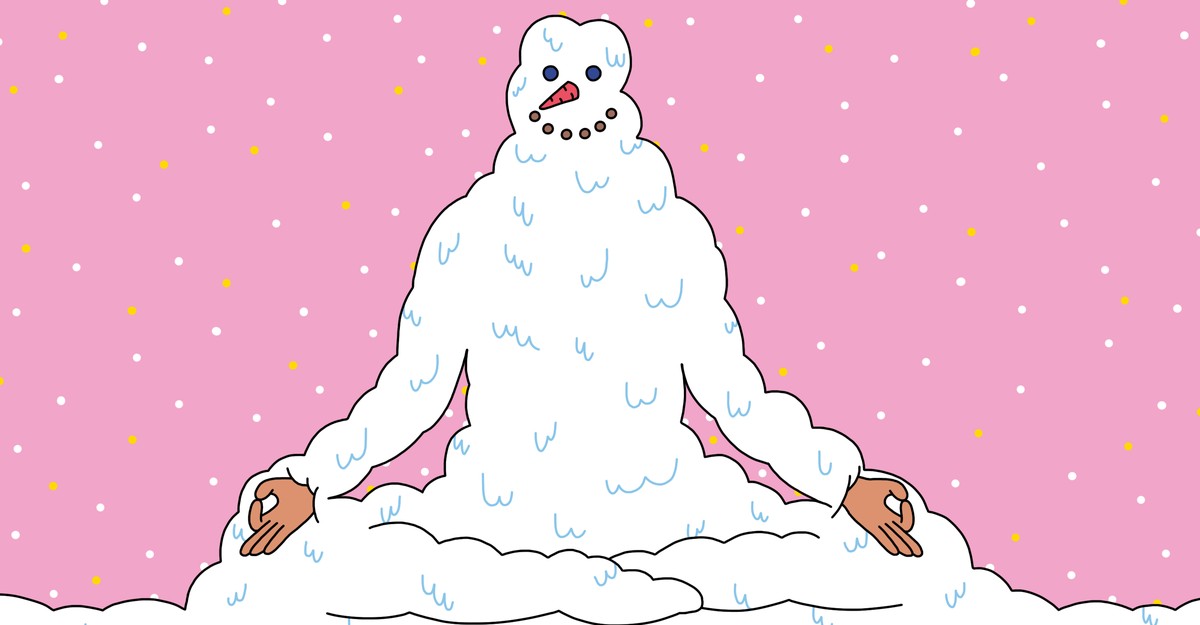 Want to stay current with Arthur’s writing? Sign up to get an email every time a new column comes out.If you celebrate Christmas, you might assume that the “right” way to do so is simply to let loose: destroy your usual healthy diet with a lot of sugary, rich foods; drink more wine and liquor than normal; spend loads of money. Researchers have long affirmed that many people love this abundance bordering on excess. One study from 2007 found that the most common groupings of Christmas-holiday feelings related to bonhomie, gay abandon, ritualism, and love of shopping. Even hearing “Frosty the Snowman” in the pharmacy puts people in a festive mood.
Continued here
|
S20How New Zealand is reducing methane emissions from farming  The young bull's head disappears into a plastic green hood. He scoops up a mouthful of dried pellets, chews, flicks his ears, and exhales. The hood is attached to a contraption on wheels that looks a bit like a high-tech mobile pizza oven.But the only thing cooking up here is a precise measurement of methane, a highly potent gas that has a global warming impact 84 times higher than carbon dioxide (CO2) over a 20-year period.
Continued here
|
S22Four predictions for 2024 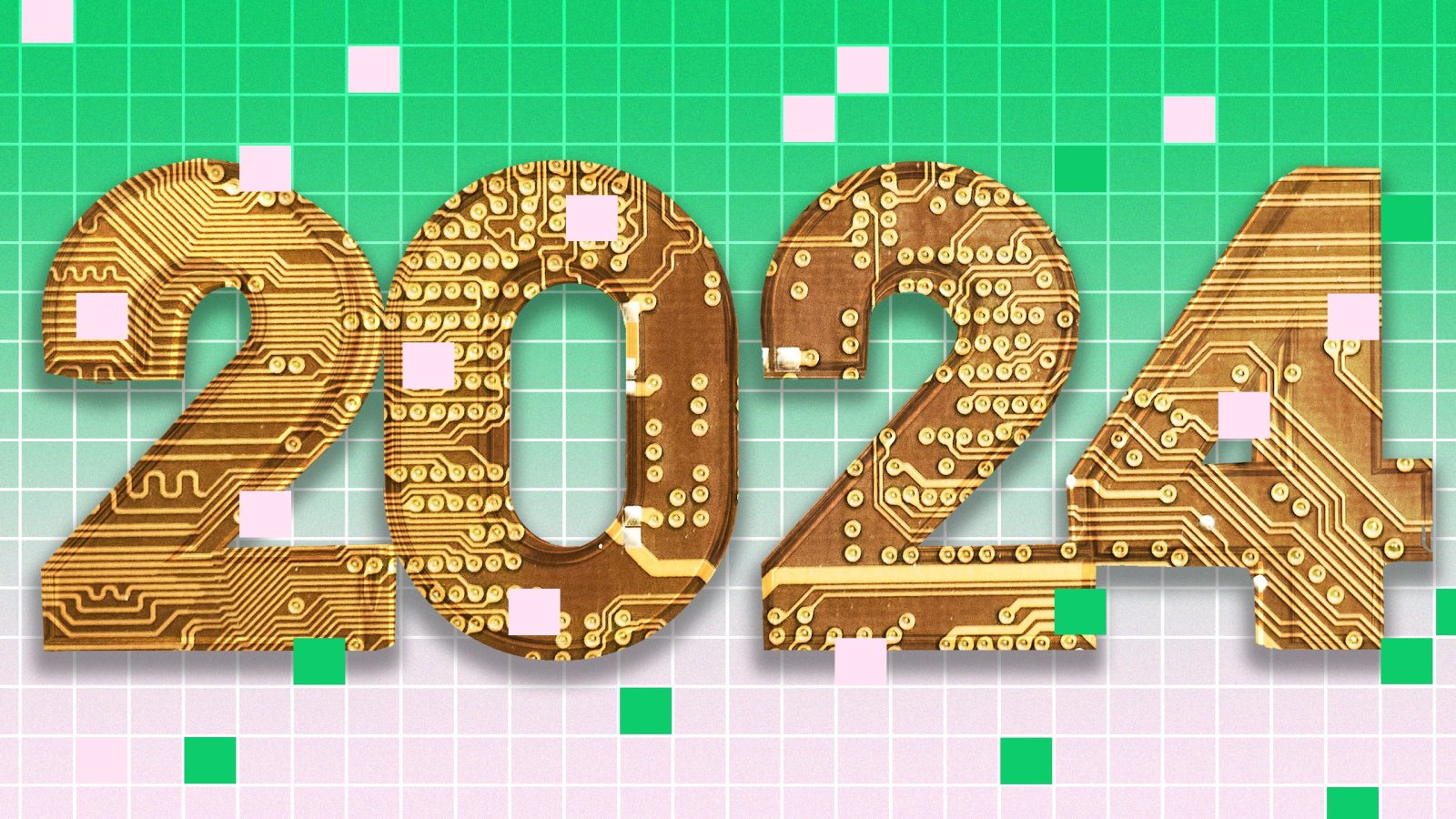 This will be the final Exporter of 2023 (we’re taking off next week for the holidays), so I want to take a minute to thank you all for being part of the ride. We sent out our first issue on June 1, with the basic plan to cover what U.S. tech companies do outside their home turf. In the months since, it’s proven to be a richer topic than I could have imagined. I hope you’ve enjoyed reading the newsletter as much as I’ve enjoyed writing it.Of course, there’s a whole new year ahead of us, too, so I’m sending you off with four predictions for the next twelve months. Here’s what I think 2024 has in store for us:
Continued here
|
S29See Your Body's Cells in Size and Number 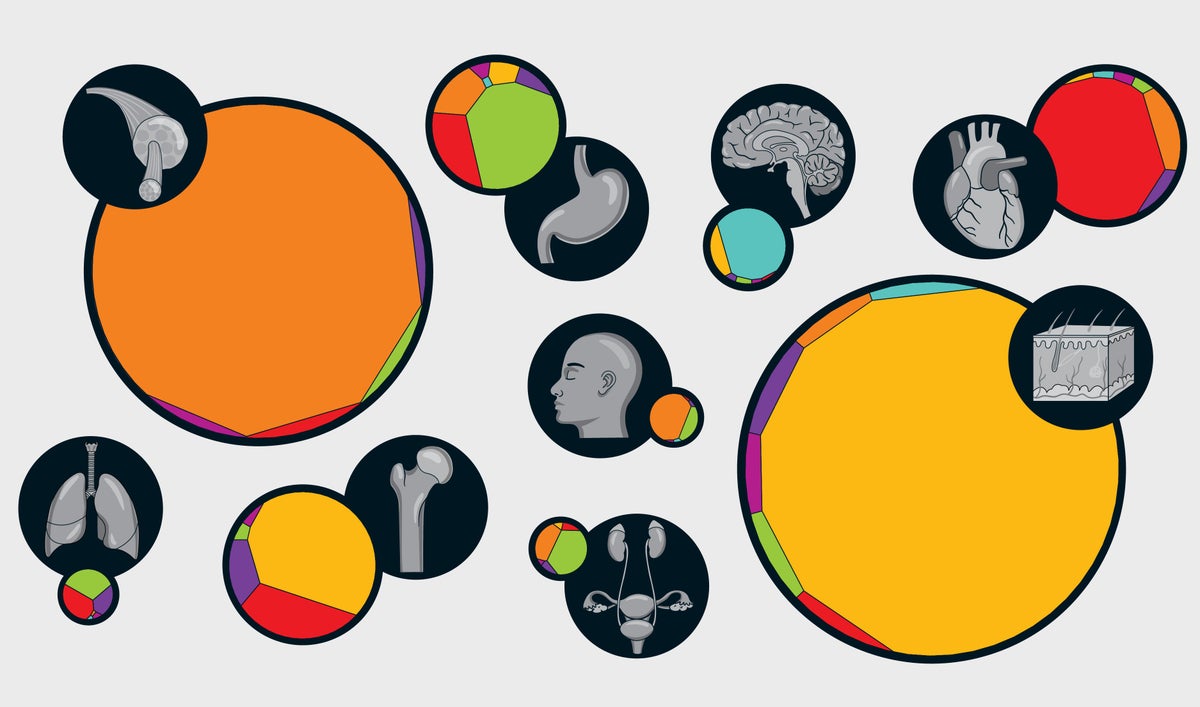 The larger a cell type is, the rarer it is in the body—and vice versa—a new study showsMany aspects of our world, from the body mass of creatures in the animal kingdom to the population of cities across the globe, follow an intriguing mathematical pattern. Known as Zipf's law, the rule says that when something's size is doubled, that thing becomes about half as common. Researchers wondered whether the law extended to the human body. Ecologist Ian A. Hatton of McGill University, independent researcher Jeffery A. Shander and their colleagues amassed data about the volume and frequency of human cells and looked for the pattern. It turns out that it holds.
Continued here
|
S13Research: Is Moving Internationally for a Job a Smart Move?  Many MBA graduates consider moving internationally for their careers. But beyond the opportunities for personal and professional enrichment and the challenges of adjusting to new environments, what are the implications for their careers over the longer term — and especially for their compensation? To find out, the authors conducted a study of the career histories of MBA graduates from a leading European business school. They discovered that graduates who had moved internationally once or twice after their MBAs actually saw their pay grow less than graduates who stayed put. They also discovered that international moves had more positive implications for those who continued to move across countries — especially for those who became “superglobals.”
Continued here
|
S4110 of the most mystifying open questions in science  To celebrate (with a sigh perhaps?) the end of this turbulent year, there’s nothing better than diving into some of the biggest open questions in science — those that have long kept scientists up at night. Though confounding, these questions point to an essential fact in science: the more we know, the more there is to know. There is no end to knowledge as long as we keep asking questions (and receive funding to try to answer them). Even more interestingly, some of these questions simply can’t be answered, at least not through the usual scientific methodology that combines objectivity and reductionism: the notions, respectively, that we can separate ourselves from the objects we are studying, and that it is possible to break complex systems into smaller ones to study their behavior and then infer the behavior of the whole from the behavior of the parts.Every list of “most important” questions has a dose of arbitrariness, given the author’s subjectivity. However, I would venture to say that these rank among the toughest open questions — and for sure among the more mysterious and attention-grabbing. So, here it goes, in no particular order:
Continued here
|
S3725 Gift Ideas for People Who Work From Home  If you buy something using links in our stories, we may earn a commission. This helps support our journalism. Learn more. Please also consider subscribing to WIREDIf someone in your life needs a home office upgrade (that includes yourself!), you've come to the right place. WIRED's Gear team has been working remotely since well before the Covid-19 pandemic—we've been testing headsets, standing desks, office chairs, and peripherals in our own lives for years. Whether you're tired of your loved one working at the kitchen table, or you just want to treat them, we've got several work-from-home gear gift ideas that can make remote work even sweeter. Check out our Ultimate Work From Home Gear guide for more recommendations.
Continued here
|
S47S51S61Netflix's 'Blue Eye Samurai' Is a Bloody Masterpiece  The animated series, a historical drama with a modern sensibility, stuns from the first frame.Early last month, and with minimal fanfare, Netflix released all eight episodes of the first season of the animated action series Blue Eye Samurai. Following a sudden and almost entirely organic rise in popularity, the show was renewed for a second season. Even the rock-star video-game designer Hideo Kojima was posting about it. Blue Eye Samurai is more than worth the hype: It deserves to be counted among the best shows of the year. The series takes the trappings of a heroic action-adventure and turns them on their head, crafting a bloody, emotional drama that is riveting from the very first frame.
Continued here
|
S58If Not Vegan, or Vegetarian, How About Chickentarian?  The same bit of wisdom gets repeated over and over and over again: If you want to reduce the carbon emissions of your diet, eat less meat. If you really care about climate change, cut out animal products, period.It’s such simple guidance! And yet it has instigated so much hand-wringing and back-bending so that people can still eat what they like to eat—which, in most places with Western tastes, includes hefty quantities of animal products. Billions of dollars have been invested in start-ups engineering plant-based replications of the juice that drips from a hamburger, the creaminess of dairy, the crunch of shrimp. Some have argued for the ostensible ecological benefits of raising beef and lamb on grassland, where gains in soil health from fertilization could offset the carbon emissions produced by ruminant livestock. Many a vegetarian has rationalized their prodigious consumption of cheese because, well, vegetarianism is good for the climate, isn’t it?
Continued here
|
S53Debt-laden Warner Bros. Discovery and Paramount consider merger  The CEOs of Warner Bros. Discovery (WBD) and Paramount Global discussed a potential merger on Tuesday, according to a report from Axios citing "multiple" anonymous sources. No formal talks are underway yet, according to The Wall Street Journal. But the discussions look like the start of consolidation discussions for the media industry during a tumultuous time of forced evolution.
Continued here
|
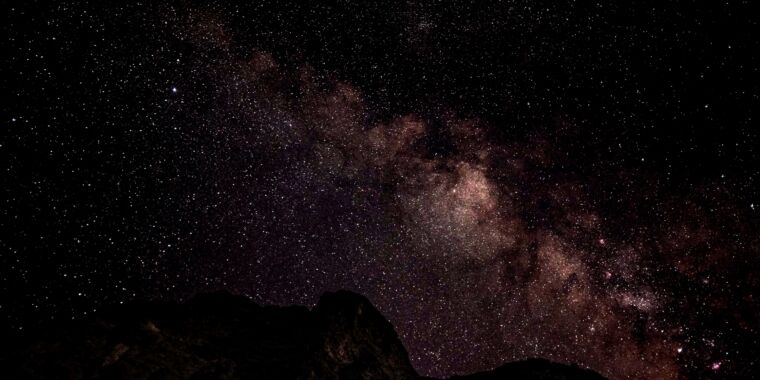
S69S7S12S39What was it like when the first stars began to shine?  For perhaps as long as the first 100 million years after the start of the hot Big Bang, the Universe was devoid of stars. The matter in the Universe required just half-a-million years to finish forming neutral atoms, but stars would take much longer to form for a variety of reasons. For one, gravitation on cosmic scales is a slow process, made even more difficult by the high energies of the radiation the Universe was born with. For another, the initial gravitational imperfections were small: just 1-part-in-30,000, on average. And for yet another, gravity only propagates at the speed of light, meaning that when the Universe is very young, there’s only a very small distance range over which other masses can “feel” the gravitational force from any particular initial mass.As the Universe cooled, gravitation began to pull matter together into clumps and eventually clusters, growing faster and faster as more matter was attracted together. Eventually, we reached the point where dense gas clouds could collapse, forming objects that were dense and massive enough to ignite nuclear fusion in their cores. When those first hydrogen-into-helium chain reactions began taking place, we could finally claim that the first stars had been born: a process taking at least 50 million years and maybe as much as 100 million years or more for even the very first ones to ignite. Here’s what the Universe was like back then.
Continued here
|
S36The 5 Best MP3 and Portable Media Players (No, Really)  If you buy something using links in our stories, we may earn a commission. This helps support our journalism. Learn more. Please also consider subscribing to WIREDwe’ve got nothing against your smartphone, not really. After all, it’s a handy GPS, a very acceptable camera, a brilliant internet portal, and probably quite a decent telephone. But you know as well as we do that it’s not much of a music player.
Continued here
|
S48Government makes an app to cut down government's role in solar permitting 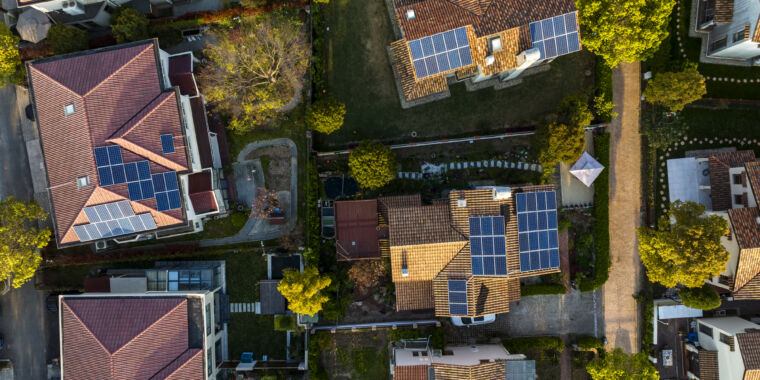 Can government agencies develop software to help cut bureaucratic red tape through automation? The answer is “yes,” according to the promising results achieved by the National Renewable Energy Laboratory (NREL), which has saved thousands of hours of labor for local governments by creating a tool called SolarAPP+ (Solar Automated Permit Processing Plus) for residential solar permits.
Continued here
|
 |
TradeBriefs Publications are read by over 10,00,000 Industry Executives About Us | Advertise Privacy Policy Unsubscribe (one-click) You are receiving this mail because of your subscription with TradeBriefs.
Our mailing address is GF 25/39, West Patel Nagar, New Delhi 110008, India |






/https://tf-cmsv2-smithsonianmag-media.s3.amazonaws.com/filer_public/a5/52/a552fd91-ac1f-4418-ba59-e9bd4865fba8/the_nightwatch_by_rembrandt_-_rijksmuseum.jpg)