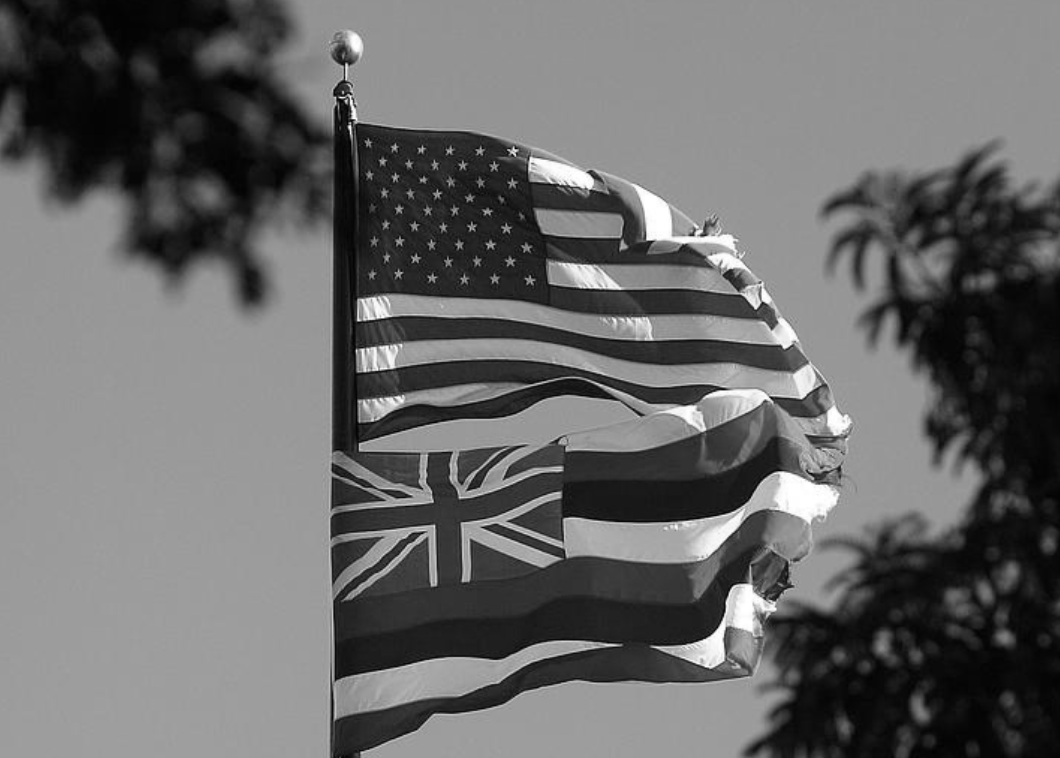
On this day, December 19th, in 1842, a significant moment in the history of the Hawaiian Islands unfolded as the United States formally recognized the independence of the Kingdom of Hawaii. This momentous event marked a pivotal point in Hawaii's international relations and sovereignty, setting a precedent for other nations to follow suit. The recognition by the U.S. came at a time when Hawaii was establishing itself as a key player in the Pacific, strategically and culturally.
The journey towards this recognition was not without its challenges. Hawaiian monarchs, notably King Kamehameha III, navigated complex international waters, striving to maintain the islands' independence amid growing interests from world powers like the United States, Britain, and France. The diplomatic efforts of the Hawaiian monarchy were crucial in securing this recognition. It was an affirmation of Hawaii's status as a sovereign and independent nation, capable of managing its own affairs and forging relationships on the global stage. The recognition by the United States paved the way for other nations to acknowledge Hawaii's sovereignty, further solidifying its position in the international community.