View online | Unsubscribe (one-click).
For inquiries/unsubscribe issues, Contact Us


?
Learn more about Jeeng

?
Learn more about Jeeng

?
Learn more about Jeeng

?
Learn more about Jeeng
?
?
Learn more about Jeeng


Want to accelerate software development at your company? See how we can help.

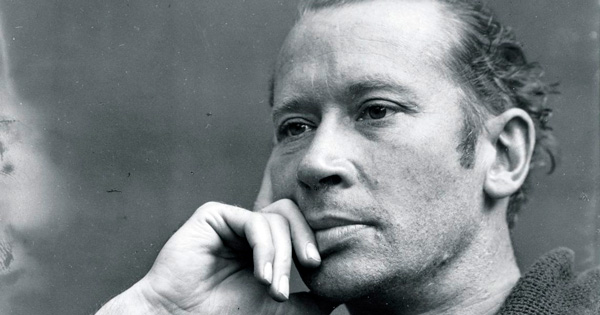
The Courage to Be Yourself: E.E. Cummings on Art, Life, and Being Unafraid to Feel - The Marginalian   

“No one can build you the bridge on which you, and only you, must cross the river of life,” wrote the thirty-year-old Nietzsche. “The true and durable path into and through experience,” Nobel-winning poet Seamus Heaney counseled the young more than a century later in his magnificent commencement address, “involves being true … to your own solitude, true to your own secret knowledge.”

Every generation believes that it must battle unprecedented pressures of conformity; that it must fight harder than any previous generation to protect that secret knowledge from which our integrity of selfhood springs. Some of this belief stems from the habitual conceit of a culture blinded by its own presentism bias, ignorant of the past’s contextual analogues. But much of it in the century and a half since Nietzsche, and especially in the years since Heaney, is an accurate reflection of the conditions we have created and continually reinforce in our present informational ecosystem — a Pavlovian system of constant feedback, in which the easiest and commonest opinions are most readily rewarded, and dissenting voices are most readily punished by the unthinking mob.

Few people in the two centuries since Emerson issued his exhortation to “trust thyself” have countered this culturally condoned blunting of individuality more courageously and consistently than E.E. Cummings (October 14, 1894–September 3, 1962) — an artist who never cowered from being his unconventional self because, in the words of his most incisive and competent biographer, he “despised fear, and his life was lived in defiance of all who ruled by it.”

Continued here


?
Learn more about Jeeng

?
Learn more about Jeeng

?
Learn more about Jeeng

?
Learn more about Jeeng
?
?
Learn more about Jeeng


Don't like ads? Go ad-free with TradeBriefs Premium


Want to accelerate software development at your company? See how we can help.


?
Learn more about Jeeng

?
Learn more about Jeeng

?
Learn more about Jeeng

?
Learn more about Jeeng
?
?
Learn more about Jeeng


?
Learn more about Jeeng

?
Learn more about Jeeng

?
Learn more about Jeeng

?
Learn more about Jeeng
?
?
Learn more about Jeeng


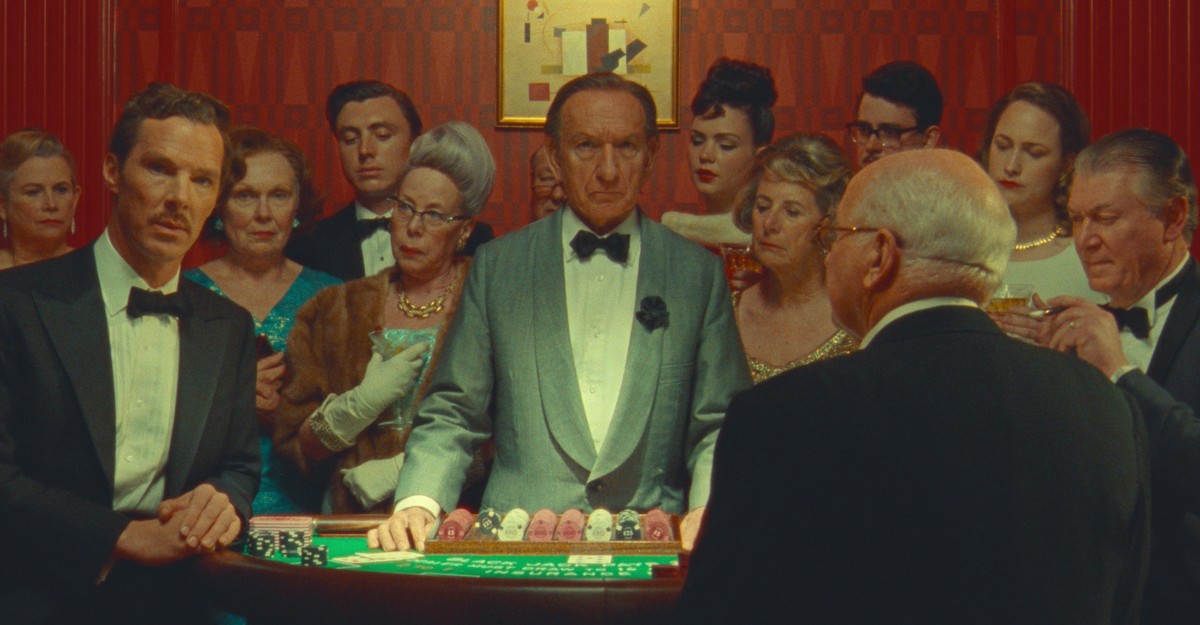
Only Wes Anderson Could Have Adapted Roald Dahl This Way - The Atlantic   

The director’s renditions of the famed author’s short stories ask us to think actively—even skeptically—about what we’re seeing.

Wes Anderson’s recent collection of Roald Dahl adaptations for Netflix are so specifically theatrical that you could replicate them on virtually any stage armed with just a small troupe of repertory actors and a meager budget. Characters narrate what’s happening while staring directly at us, the implied audience; obliging stagehands shift scenery and assist with costume changes and makeup right in front of our eyes. The action is so resolutely analog that it feels like a manifesto for good old-fashioned stagecraft in a cinematic era steamrolled by CGI—our imaginations are forced to fill in the gaps when, say, a train rushes right over a character, or a man appears to levitate several feet off the ground. This is storytelling that shows you all of its seams. The question is: Why?

And what are we even watching, anyway? Here we have one of the most distinctive auteurs of 21st-century cinema, adapting short stories into a series of filmed plays for a streaming service, and somehow it makes perfect sense. Netflix seemed not to remotely know how to handle what I’ll call the Henry Sugar Quartet: I had to search for the four shorts individually to watch them, even though Ralph Fiennes, playing Dahl, appears in each one, part avuncular host, part ferryman into the underworld of the author’s macabre imagination. These are easily the least twee works Anderson has ever made—there are no banjos, no pastel colors, scarcely a shred of disaffected existentialist whimsy. But there is a point behind the series, not unrelated to the foregrounding of Dahl. Throughout, Anderson jolts us in and out of the story, encouraging us to think actively and even skeptically about what it’s telling us.

Continued here


?
Learn more about Jeeng

?
Learn more about Jeeng

?
Learn more about Jeeng

?
Learn more about Jeeng
?
?
Learn more about Jeeng


You are receiving this mailer as a TradeBriefs subscriber.
We fight fake/biased news through human curation & independent editorials.
Your support of ads like these makes it possible. Alternatively, get TradeBriefs Premium (ad-free) for only $2/month
If you still wish to unsubscribe, you can unsubscribe from all our emails here
Our address is 309 Town Center 1, Andheri Kurla Road, Andheri East, Mumbai 400059 - 93544947