PANCHO VILLA'S DEADLY RAID ON COLUMBUS, NEW MEXICO: A TENSE MOMENT IN US-MEXICAN RELATIONS | |
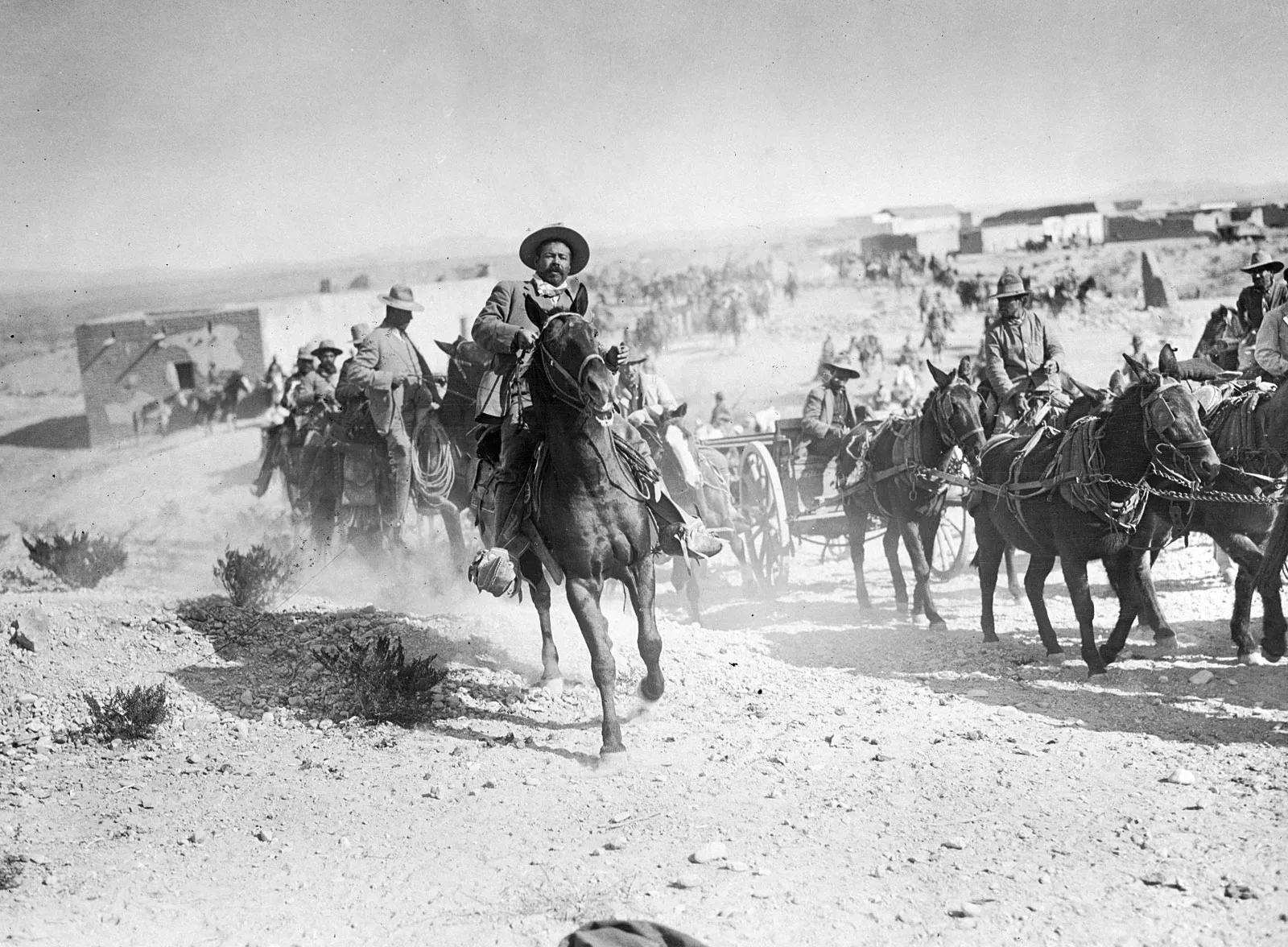
On March 9th, 1916, a group of around 500 soldiers led by the infamous Mexican revolutionary, Pancho Villa, launched a surprise raid on the town of Columbus, New Mexico. The raid resulted in the deaths of more than a dozen people and marked a significant escalation in tensions between the United States and Mexico.
Villa had been one of the key players in the Mexican Revolution, which began in 1910 and lasted for nearly a decade. He had led a number of successful military campaigns against the government forces of President Porfirio Diaz, but his relationship with the US government had been complicated.
At the time of the Columbus raid, the US government was officially neutral in the Mexican Revolution. However, it had provided support to various factions within Mexico, including Villa's rival, Venustiano Carranza. This support had included the sale of weapons and ammunition, as well as other forms of material assistance.
Villa's raid on Columbus was therefore seen as a direct challenge to US neutrality and a significant provocation. The raiders swept into the town in the early hours of the morning, firing their weapons and setting buildings alight. They targeted the local army barracks and the homes of US citizens, killing more than a dozen people in the process.
The raid sparked outrage in the United States and led to a major military response. President Woodrow Wilson ordered General John J. Pershing to lead a force of around 10,000 troops into Mexico to capture Villa and bring him to justice. The so-called "Punitive Expedition" lasted for several months and involved numerous clashes with Mexican forces.
Ultimately, however, the expedition was unsuccessful in capturing Villa. The US troops withdrew from Mexico in early 1917, marking the end of the Punitive Expedition and the beginning of a new phase in US-Mexican relations. The legacy of the Columbus raid and the Punitive Expedition would continue to shape the relationship between the two countries for years to come.
| | BARBIE: THE ICONIC DOLL THAT REVOLUTIONIZED
TOY INDUSTRY STANDARDS | |
On March 9th, 1959, a toy that would go on to become one of the most iconic and beloved dolls of all time went on sale for the first time. The Barbie doll, created by Mattel co-founder Ruth Handler, quickly captured the hearts and imaginations of children around the world with its glamorous style, diverse wardrobe, and endless possibilities for imaginative play.
At the time of its debut, the Barbie doll was a groundbreaking innovation in the world of toys. Unlike other dolls of the era, which were typically designed to look like infants or young children, Barbie was modeled after a fashionable young adult woman. Her blonde hair, blue eyes, and curvy figure reflected the beauty standards of the time and set the stage for a new era of dolls that would be marketed to older children and even adults.
Over the years, Barbie has evolved to keep up with changing times and attitudes. She has been redesigned to reflect a wider range of body types, skin colors, and cultural backgrounds, and her wardrobe has expanded to include everything from business suits to athletic wear to costumes inspired by popular movies and TV shows.
Despite some criticism over the years for promoting unrealistic beauty standards and gender stereotypes, Barbie remains a beloved and enduring icon of childhood. Her ability to inspire imagination and creativity in children of all ages has made her a fixture in toy stores around the world for more than six decades.
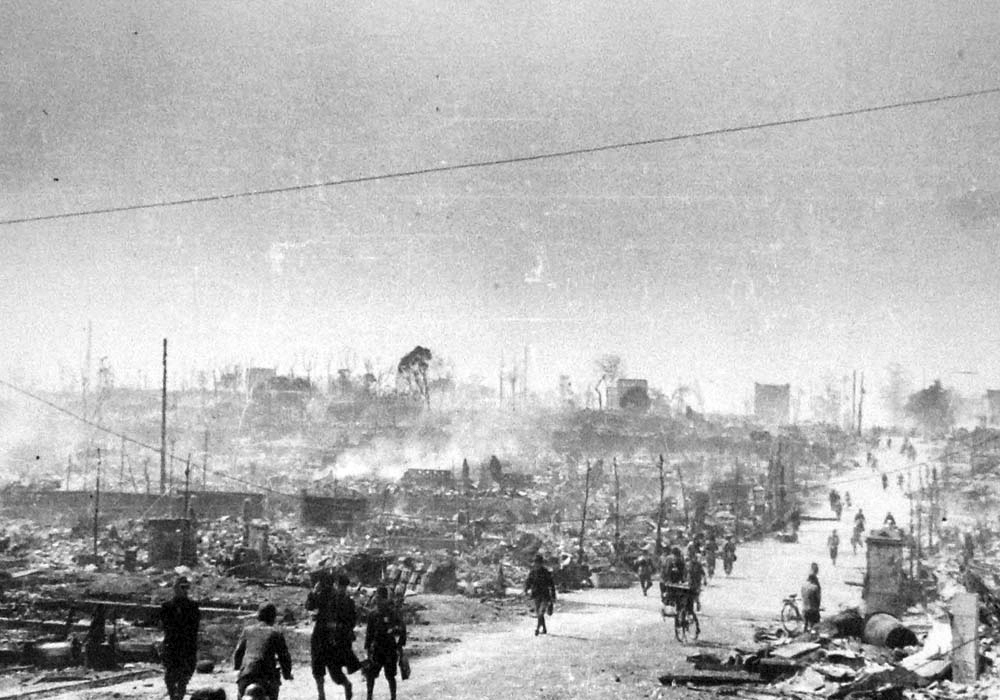
| | THE DEVASTATING LEGACY OF NAPALM IN WORLD WAR II | | On March 9th, 1945, the United States Army Air Forces carried out a devastating attack on the Japanese capital of Tokyo. The bombing involved the use of napalm, a highly flammable gel that sticks to its targets, causing intense fires that are difficult to extinguish.
The effects of the bombing were catastrophic. The firebombing of Tokyo caused widespread destruction, killing around 80,000 people and leaving another one million homeless. The bombing also destroyed a quarter of the city's buildings, including homes, businesses, and historical landmarks.
The use of napalm in the attack was particularly controversial, as it caused immense suffering and death among the civilian population. Napalm is known for causing severe burns, as well as asphyxiation due to the intense heat and smoke generated by the fires it ignites. The use of such a weapon against a civilian population has been widely condemned as a war crime.
However, at the time, the US government defended the use of napalm as a necessary means of achieving victory in the Pacific theater of World War II. The bombing of Tokyo was part of a larger strategy of bombing Japanese cities in an effort to break the will of the Japanese people and force a surrender.
Despite the controversy surrounding the bombing, it remains a significant event in the history of World War II. The attack on Tokyo demonstrated the devastating power of modern air warfare and set the stage for the use of similar tactics in future conflicts. It also sparked debates about the morality of targeting civilian populations in war, and the ethics of using weapons that cause indiscriminate harm.
Today, the bombing of Tokyo serves as a stark reminder of the destructive power of war and the importance of seeking peaceful solutions to conflicts wherever possible. |
|
|
|