|
|
October 10, 2023
Legislative Update
Energy Panel
This week my husband, Senator Jason Rarick, and I were on a panel together for MnSEIA's Gateway to Solar event.
I have worked on energy policy for quite some time and was happy to speak about solar and other forms of energy generation to MnSEIA's members.
|
|
 |
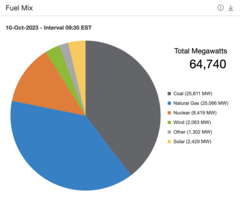
As you can see in the image to the left, our fuel mix is dominated by coal and natural gas.
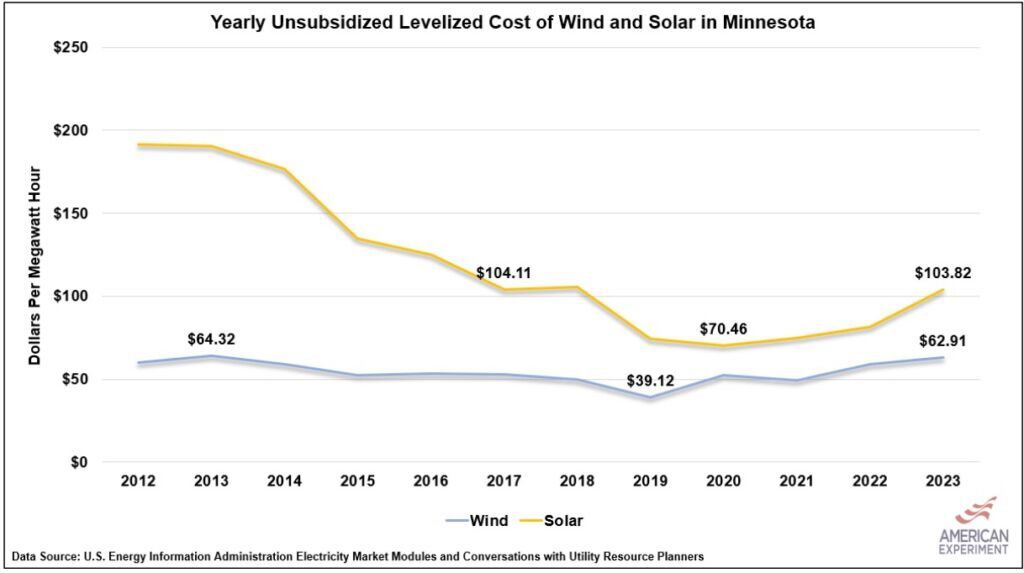
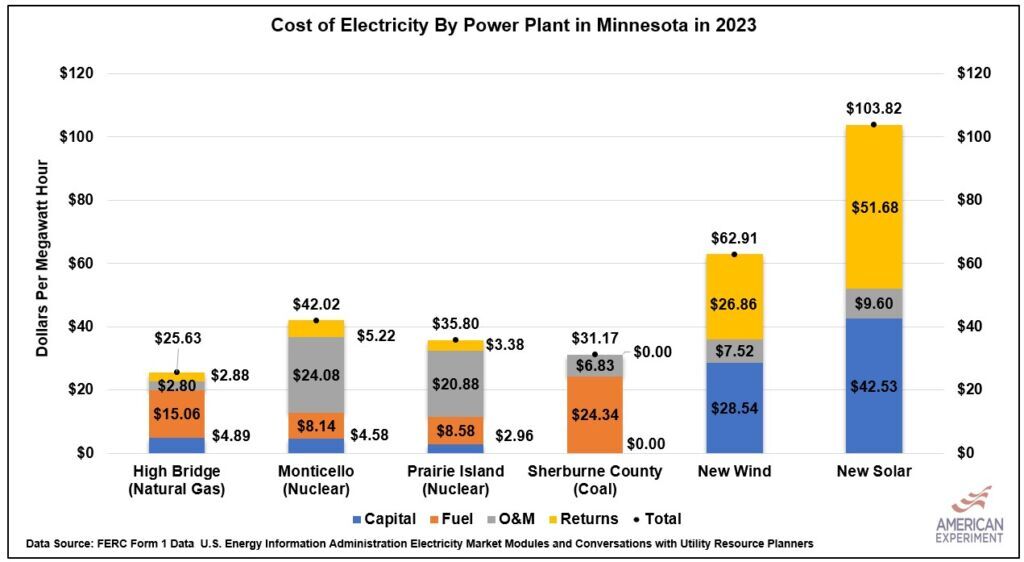
My concerns remain for solar in Minnesota, intermittent power destabilizes the grid. MISO has repeatedly said that if we get above 40% intermittent power sources, the power grid cannot handle it. We must have baseload power. I am also extremely concerned about the true unsubsidized cost of solar in comparison to other generation (see graphs below).
Community solar garden power costs even more than what's on the chart, at between $140 and $120 per megawatt hour (depending on the year the contract was signed), and Xcel is forced to buy it. That cost is passed onto the ratepayer in higher electricity costs. Thus far, the cost of the Community Solar Garden Program is $800 million since it started in 2014.
|
  According to Echo Environmental, solar panels are composed of photovoltaic (PV) cells that convert sunlight to electricity. When these panels enter landfills, valuable resources go to waste. Landfilling also creates new environmental hazards because solar panels contain toxic heavy metals like cadmium and lead. Only about 10 percent of this technology is being recycled. The rest is landfilled or exported overseas to developing countries with weak environmental protections or processed by sham recyclers who recover the aluminum and landfill the valuable glass and PV. So far, no one wants to pay for the recycling which can range from $12 - $24 plus an additional $12 - $24 to ship per panel and sending it to the landfill costs less than $1 each.
Finally, the actual amount of energy produced vs the massive footprint is problematic. A 1 megawatt solar field needs 5 to 10 acres of land. The amount of time the panel is producing 100% of its nameplate capacity is extremely low (11% - 23% of the time). On a cloudy day they produce about 1/3 of capacity, and shadows that cast across the panels also severely reduce output - and of course, at night it's zero.
Conversely, the Prairie Island Nuclear Power Plant has a plant footprint of approximately 200 acres and has a nameplate capacity of 1060 MW that produces electricity 95% of the time. Thus, on every single acre used by the power plant produces 5.3 MWh - much higher than a solar field.

Meetings in the Community
I had a meeting last week with Suzanna Newell, who was severely injured by the COVID19 vaccine. She founded a grassroots organization for other Minnesotans who have been injured or had a family member die from the vaccine, called Team Humanity.
Prior to her injury, Suzanna was a triathlete, mom, and bank executive. She now requires the use of a wheelchair and is on disability. You can read more of her story here. If you have been vaccine injured and would like to connect with Team Humanity, they want to hear from you at [email protected].
|
|
|
Please Contact Me
As always, if you need assistance on an issue pertaining to state government or have concerns or ideas about legislation, my office is available to you. You can e-mail at [email protected] or call my office at 651-296-5063. You can also write a letter to me. My office address at the Capitol is 357 State Office Building, 100 Rev. Dr. Martin Luther King Jr. Blvd, St. Paul, MN 55155.
|
|
357 State Office Building
100 Rev. Dr. Martin Luther King Jr. Blvd.
Saint Paul, MN 55155
651.296.5063 |
|
|
|