CEO Picks - The best that international journalism has to offer!
 S59 S59How to fix fashion and protect the planet  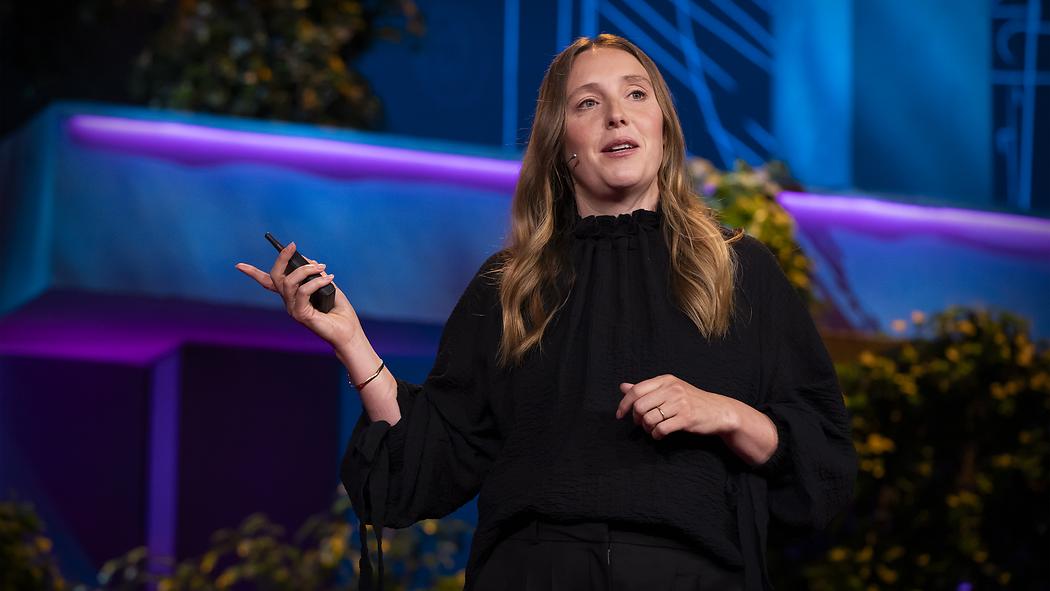 From the field to your closet, your clothes go on a long journey before they enter your life. Designer Amy Powney explores the fashion industry's brutal impact on the environment and human health, modeling what ethical, planet-friendly clothing can look like — and inviting us all to think beyond the label.
Continued here
|
S1AI Can Help You Ask Better Questions -- and Solve Bigger Problems  Most companies still view AI rather narrowly, as a tool that alleviates the costs and inefficiencies of repetitive human labor and increasing organizations’ capacity to produce, process, and analyze piles and piles of data. But when paired with “soft” inquiry-related skills it can help people ask better questions and be more innovative.
Continued here
|
S2How to Make Great Decisions, Quickly  As a new leader, learning to make good decisions without hesitation and procrastination is a capability that can set you apart from your peers. While others vacillate on tricky choices, your team could be hitting deadlines and producing the type of results that deliver true value. That’s something that will get you — and them — noticed. Here are a few of a great decision:
Continued here
|
S3Why more fashion retailers are charging return fees  Some of the biggest business winners of the Covid-19 pandemic were e-commerce retailers. In the US, Census Bureau data shows $571.2bn (£473bn) of goods were sold online in 2019. The next year, that figure hit $815.4bn: a 43% climb. In 2022, annual US e-commerce spending hit the $1tn mark for the very first time.But the sheer volume of goods sold and shipped from the warehouses e-commerce giants, such as Amazon and H&M, came with a price for retailers. Roughly 17% of online purchases were returned in 2022, according to data from the National Retail Federation, down from 21% the previous year. When retailers rode the pandemic wave of online shopping growth, the volume of goods coming back swelled exponentially.
Continued here
|
S4Italy's classic pasta e patate (pasta and potatoes) dish 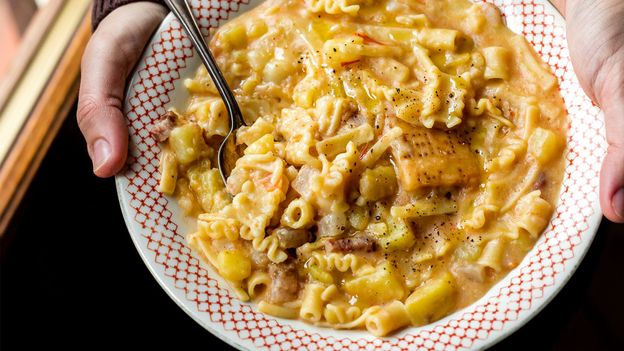 Literally meaning "poor kitchen", cucina povera is a traditional style of Italian cooking that embraces a frugal, no-waste philosophy. Created out of necessity, cucina povera is considered poor in terms of cost, but never poor in flavour; uncomplicated, but by no means unremarkable. With a long, rich history deeply ingrained in Italian culture and the daily life of many families, the dishes of cucina povera have provided nourishment for centuries. Its exact origins aren't particularly clear, but food historians suggest that cucina povera is rooted in the countryside traditions of "peasant cooking", dating back long before Italy was unified in 1870, first concocted for manual labourers in need of affordable sustenance. As such, cucina povera dishes make great use of humble, inexpensive ingredients or leftovers. Think small animals such as rabbit and poultry – all simple to hunt – or less popular offal cuts from pigs and cattle, plus beans, legumes and plenty of carbohydrates like pasta, potatoes and bread.
Continued here
|
S5Bebinca: a multi-layered cake from India  "An excess of egg yolks led to the creation of bebinca," said Gracian de Souza, a chef and restaurant consultant from India's western state of Goa. "And in today's parlance, we can call it a perfect example of zero-waste cooking."Bebinca is a multi-layered cake that has been dubbed the "queen of Goan desserts" and is considered such an inherent part of Goa's culinary identity that the state administration is pushing for a Geographical Indication (GI) tag for the caramelised confection.
Continued here
|
S6The Exorcist and why demonic possession taps into our darkest fears 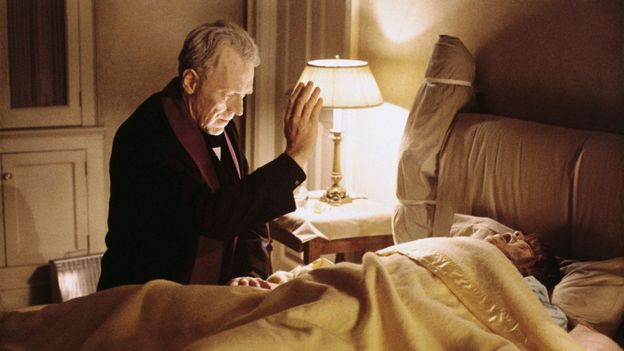 Over the last few years, possession narratives, in which characters are taken over by malevolent spirits, demons or gods, have been booming among horror filmmakers, with The Pope's Exorcism (2023), The Medium (2021), Evil Dead Rise (2022), Umma (2022), Talk to Me (2023), It Lives Inside (2023) and, of course, The Conjuring Universe all deploying them.Spirit possession as a subject for art is nothing new, and it indeed has even been used as an apparent method for making art, such as by the artists aligned with the spiritualism movement, which hit its peak popularity in the 19th Century. British artist Georgiana Houghton, for example, claimed that she let herself be invaded by spirits, and painted their otherworldly missives. Meanwhile celebrated abstract artists in the late 19th and early 20th Centuries like Wassily Kandinsky, Piet Mondrian and Kazimir Malevich were also interested and influenced by the growing spiritualist movement.
Continued here
|
S7Nagorno-Karabakh: Azerbaijan's energy wealth gives it de facto impunity for ethnic cleansing 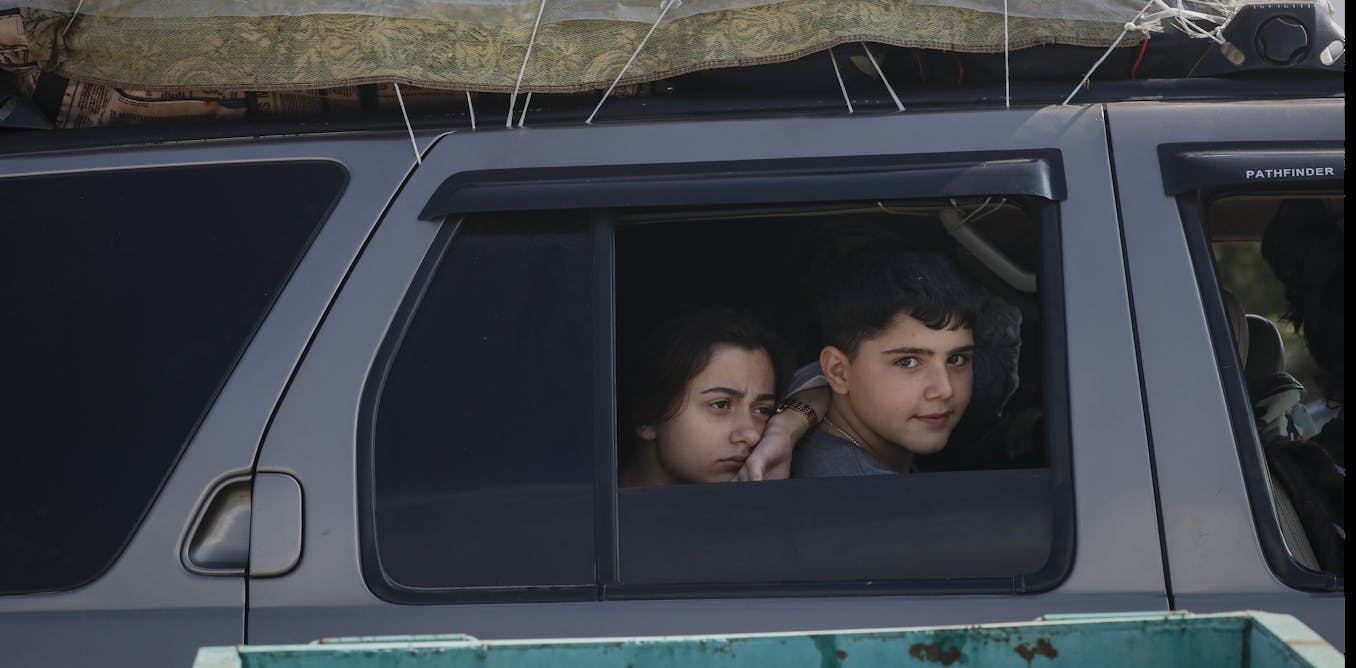 A United Nations mission finally arrived in Nagorno-Karabakh on October 1 to find its towns and villages almost completely deserted. Two weeks after Azerbaijan launched an all-out military assault on the disputed territory in the south Caucasus, the Armenian government has said there are now almost no ethnic Armenians left in an area they have lived in for more than two millennia. The only people left are reportedly either too old, too poor, too remote or too infirm to flee to safety along the Lachin corridor to Armenia.
Continued here
|
S8
S9Often in error but still seductive: Why we can't quit election polls 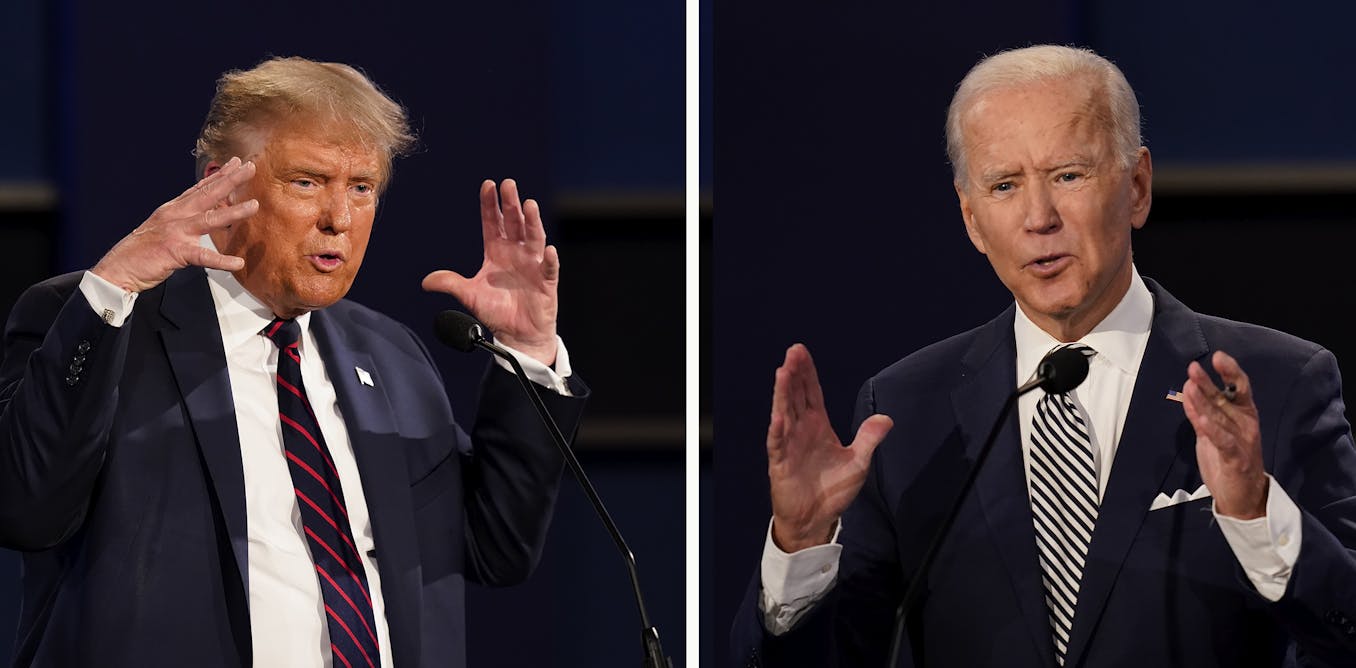 Their record is uneven. They misfired in one way or another in the past three presidential elections. And yet the prevalence of election polls is undiminished. Thirteen months before the 2024 election, polls are many – and inescapable.The reasons go beyond facile analogies that election polls are akin to weather forecasts in offering a fluid, if sometimes contradictory, sense of what lies ahead.
Continued here
|
S10
S11The pope's new letter isn't just an 'exhortation' on the environment - for Francis, everything is connected, which is a source of wonder 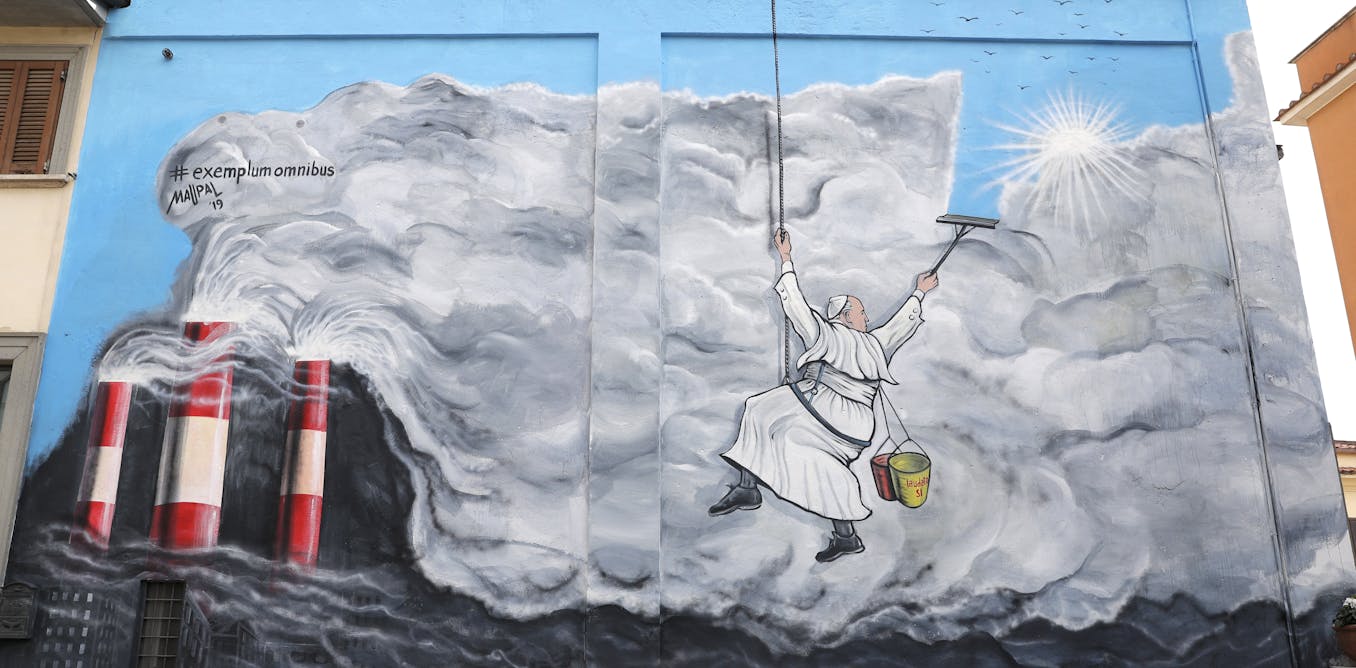 Eight years have elapsed since Pope Francis released “Laudato Si,” his encyclical urging “care for our common home.” Though hailed as an eloquent plea to protect the environment, climate change was just one part of the pope’s message, from encouraging solidarity with the poor to criticizing “blind confidence” in technology. On Oct. 4, 2023, Francis released an addendum to “Laudato Si,” addressed to “all people of good will on the climate crisis.” October 4 marks the feast day of the pope’s namesake, St. Francis of Assisi, who famously loved all of creation. The new installment, “Laudate Deum” – “Praise God” – is no less sweeping in the way it links environmental problems with economic, social and technological issues.
Continued here
|
S12Why the UAW union's tough bargaining strategy is working  The United Auto Workers union isn’t backing down as it bargains for more compensation and better benefits in its new contracts with General Motors, Ford and Stellantis. Under the deft leadership of its president, Shawn Fain, and other officials elected in March 2023, the union has thrown the three companies off balance with a strike that began on Sept. 15 – the minute its prior contracts expired.As of Oct. 6, the number of UAW members on strike from their Big Three jobs stood at 25,000 after a gradual climb – meaning that 1 in 6 of the union’s nearly 150,000 autoworkers were on the picket lines instead of going to work.
Continued here
|
S13S14UK bonds have hit a 25-year high - here's what that means for the economy 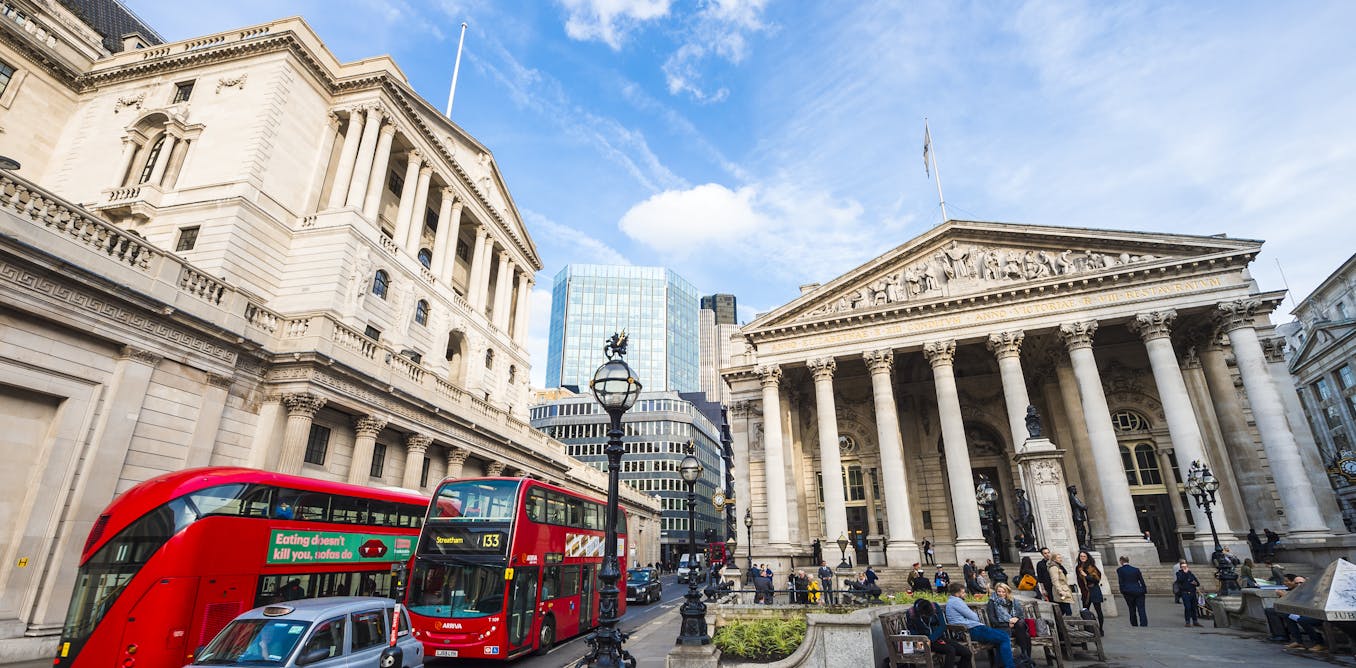 It’s been more than a year since the UK economy was thrown into crisis after then-prime minister Liz Truss suggested making a wealth of unfunded tax cuts in her September 2022 mini-budget. But a recent bond market sell-off has now sent borrowing costs rocketing again, pushing the bond market even higher than after Truss’s announcement. Yields on UK treasury bonds – the rate the UK government must pay to borrow money – have risen to approximately 4.6% for ten-year bonds. Yields on 30-year bonds hit 5.1%, the highest since 1998.
Continued here
|
S15Could Donald Trump stand for US speaker? An expert explains 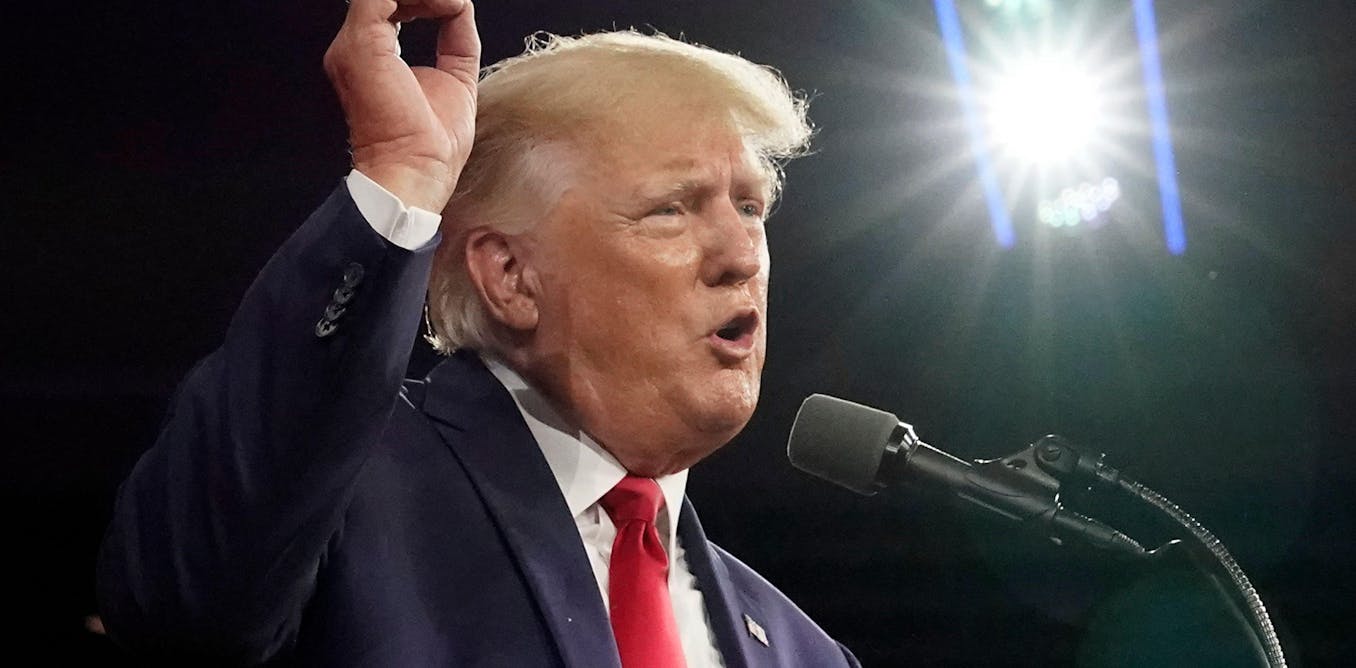 The roiling civil war on Capitol Hill that’s led to the ousting of Kevin McCarthy as speaker of the US House of Representatives has left Republicans scrambling for a replacement. With no clear successor, the risk of further acute embarrassment to the party, and a slew of legislative priorities on the docket, desperation may already be setting in.That’s led some to float the possibility of a left-field pick for the speakership — someone who’s not even serving in Congress. That man: Donald Trump.
Continued here
|
S16Nobel peace prize: Narges Mohammadi wins on behalf of thousands of Iranian women struggling for human rights  Prominent Iranian women’s rights advocate Narges Mohammadi has won the 2023 Nobel peace prize for her long fight against the oppression of women in Iran. Mohammadi is serving multiple prison sentences in Evin prison in Tehran on charges which include spreading propaganda against the state. She was named by the committee for “her fight against the oppression of women in Iran and her fight to promote human rights and freedom for all”. The award comes as women across Iran and around the world continue to protest the treatment of women in Iran after the death of Mahsa Amini in the custody of morality police, for allegedly violating the Islamic Republic’s dress code for women.
Continued here
|
S17Meat tax: no UK politician is calling for one - but maybe they should 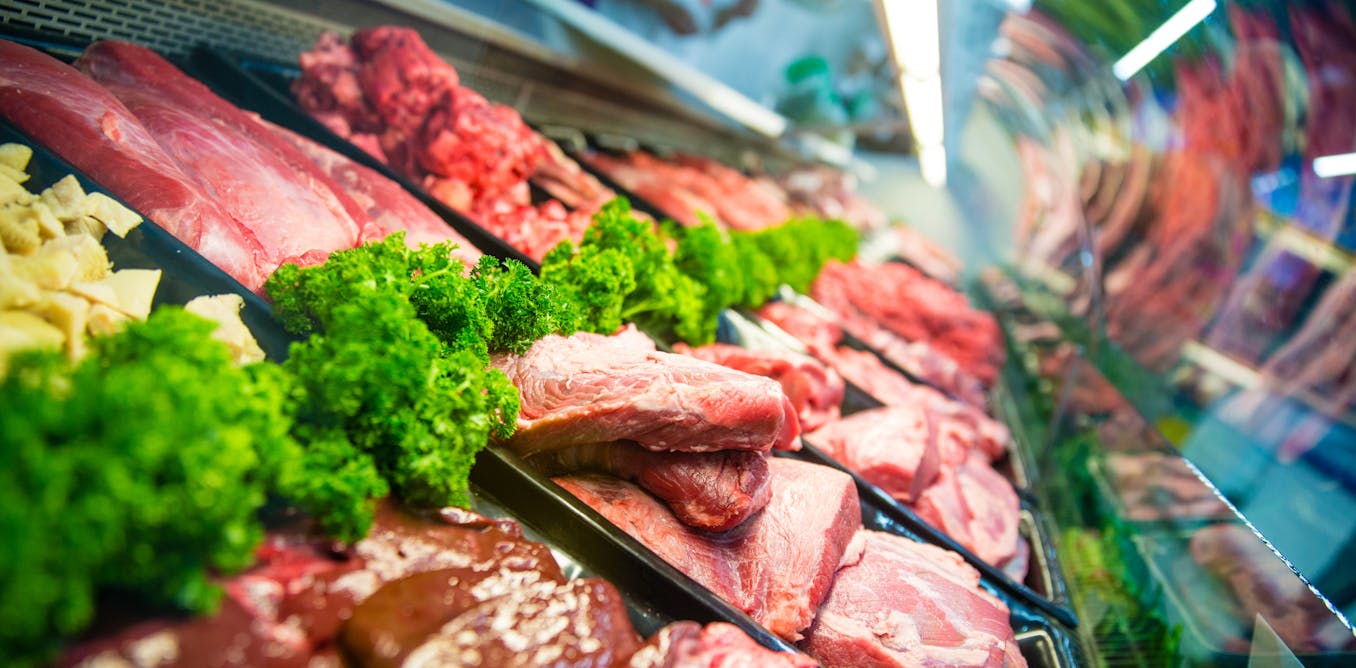 Livestock farming contributes to numerous environmental problems, from deforestation and biodiversity loss to pollution and climate change. But when a meat tax is suggested to stem these problems, by reducing meat demand and financing more sustainable alternatives, such a policy tends to be interpreted as an assault on consumer freedoms or hard working taxpayers.
Continued here
|
S18S19Dengue: why is this sometimes fatal disease increasing around the world? 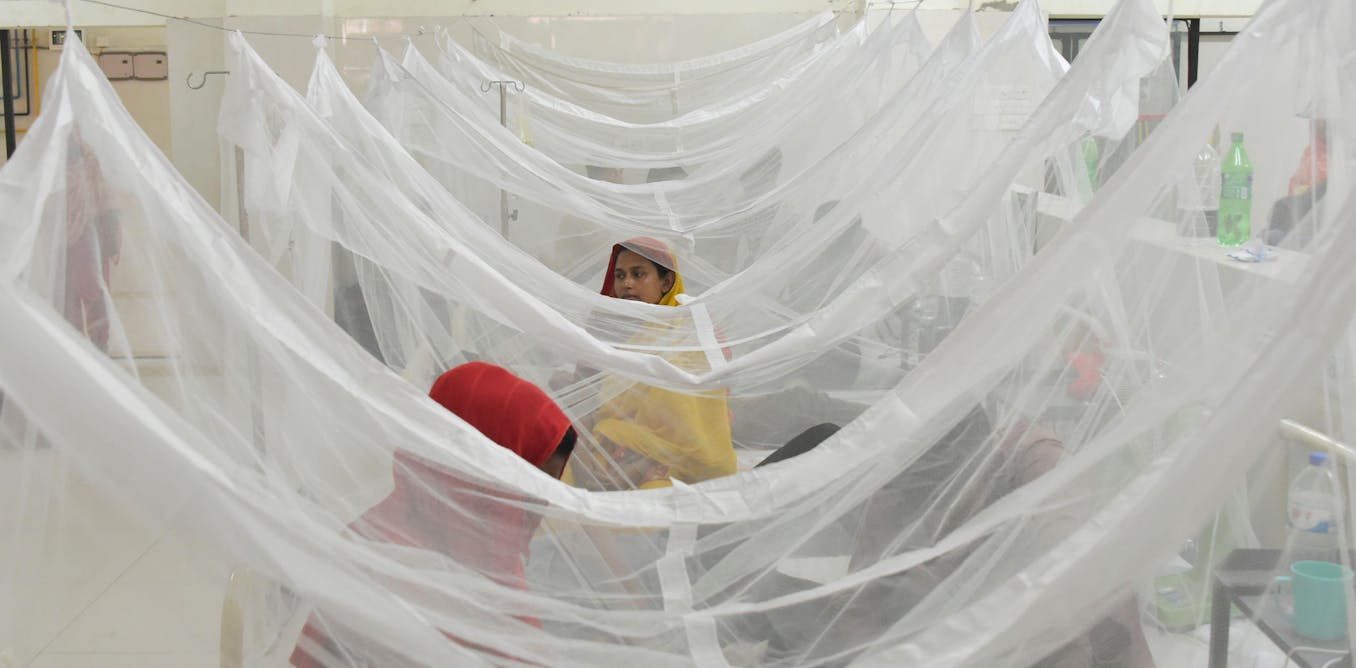 Something unusual seems to be happening with dengue, a potentially fatal mosquito-borne viral disease found across swathes of tropical Africa, Asia and the Americas. As with most infectious diseases, the number of cases tends to rise and fall over the years as epidemics come and go, but recently changes seem to be afoot in how dengue is behaving. Not only is the number of new infections steadily rising around the world, but outbreaks are becoming larger and less predictable. For example, 2019 saw the greatest number of dengue fever cases ever recorded – almost twice as high as the previous year. And in July 2023, there were a record number of deaths from the disease in Bangladesh.
Continued here
|
S20Jon Fosse: Nobel prize in literature winner is a playwright who puts outsiders centre stage 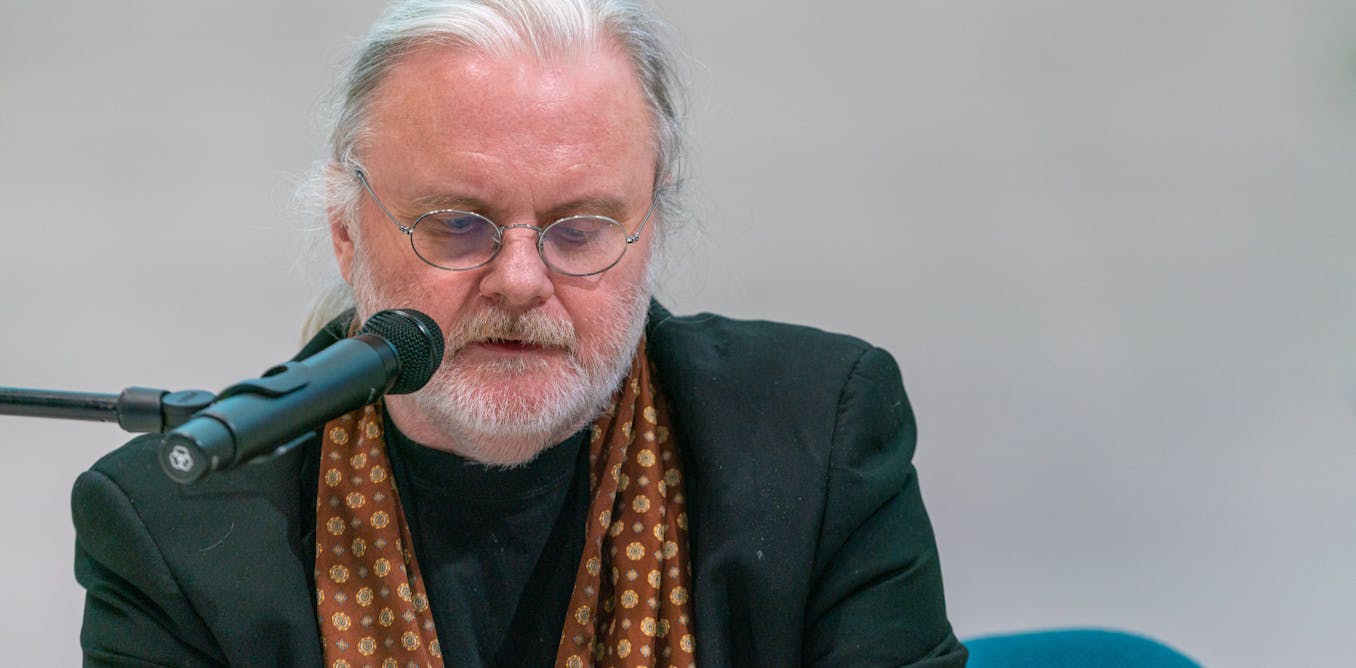 When Jon Fosse receives this year’s Nobel prize in literature in December, it will be collected by a playwright and novelist whose work examines the lives of ordinary people on the outer reaches of society, trying to cope with the challenges and hardships of daily life. But his work is suffused with hope and affection as well as a darker sense of foreboding. There is a warm affinity between Fosse and the characters that populate his plays, highlighting their humanity.
Continued here
|
S21S22What the decision to curtail HS2 and embrace cars means for the UK's cities  If you consider the decision by the UK prime minister, Rishi Sunak, to cancel phase two of the high-speed rail project, HS2 in the context of the government’s growing pro-car stance, the potential ramifications for the country are profound.Steve Tuckwell’s single-issue campaign against the Ultra Low Emission Zone (Ulez) in London won him the Uxbridge and South Ruislip vote in the three byelections held in July 2023. This saw the Conservatives narrowly avoid what would have otherwise been a crippling 3-0 defeat.
Continued here
|
S23The history of the Yellow Book - the 19th century journal that celebrated women writers 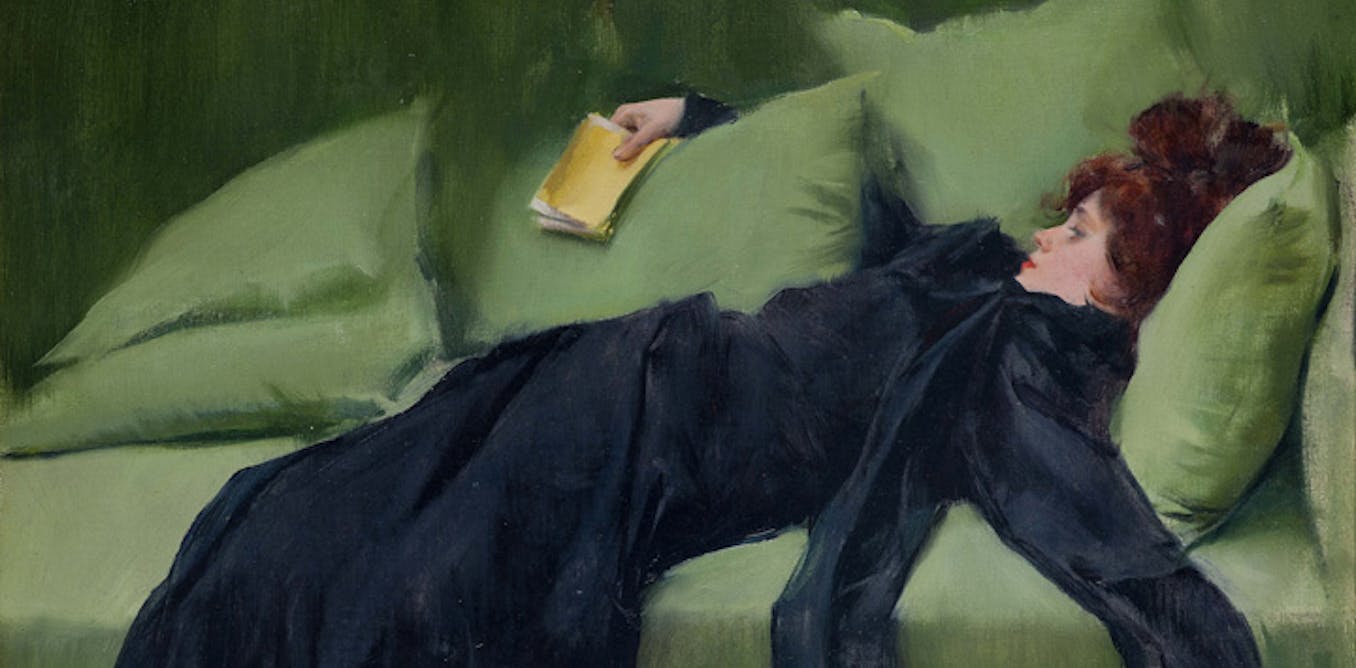 In the middle of the final decade of the 19th century, Britain was the most powerful and richest nation on earth, with the largest empire ever known. The nation might be thought to have had nothing of which to be frightened, yet frightened it was.Many Britons of the time were steeped in an education in Latin and Greek in the classical tradition, so they knew what happened to great empires: they decline and fall. This was the atmosphere addressed by the Yellow Book, the most innovative journal of art and literature of the period, published between 1894 and 1897. It’s a topic I explore in my new book, Decadent Women: Yellow Book Lives.
Continued here
|
 |
TradeBriefs Publications are read by over 10,00,000 Industry Executives About Us | Advertise Privacy Policy Unsubscribe (one-click) You are receiving this mail because of your subscription with TradeBriefs.
Our mailing address is GF 25/39, West Patel Nagar, New Delhi 110008, India |